
Austin flooring services
Flooring Installation Services in Austin TX
Flooring Installation Services in Austin TX — Flooring installation services for Austin homeowners and businesses comparing materials, project scope, prep, and timing.
- Licensed & Insured
- Locally Trusted
- Fast Estimates
- 5-Star Rated
Flooring installation services in Austin TX can mean very different things depending on the material, property type, subfloor, timing, and budget. A homeowner replacing carpet in bedrooms does not need the same plan as a rental owner turning units, a builder coordinating several rooms, or a business trying to limit downtime. This page is a routing and decision guide for choosing the right flooring path before requesting a quote. Use it to compare vinyl, luxury vinyl plank, laminate, hardwood, engineered hardwood, tile, carpet, floor removal, subfloor prep, and transition needs. The goal is to help you narrow the scope: which rooms are involved, what is currently installed, what performance matters most, and which service page fits the project. Request a quote when you have room counts, photos, square footage, or a material direction. Call the team if you are still deciding between options or need help understanding what information will make the estimate clearer and more useful before materials, labor, preparation, and scheduling are locked in for the property site.
How this page is different: This page functions as a broad flooring installation decision hub. It helps visitors choose the right material-specific service page and understand project type, prep, cost drivers, and quote inputs. It should not compete with the individual Flooring Installer in Austin TX page, which should focus on how to choose and evaluate an installer.
Flooring Installation Services for Austin Homes and Businesses
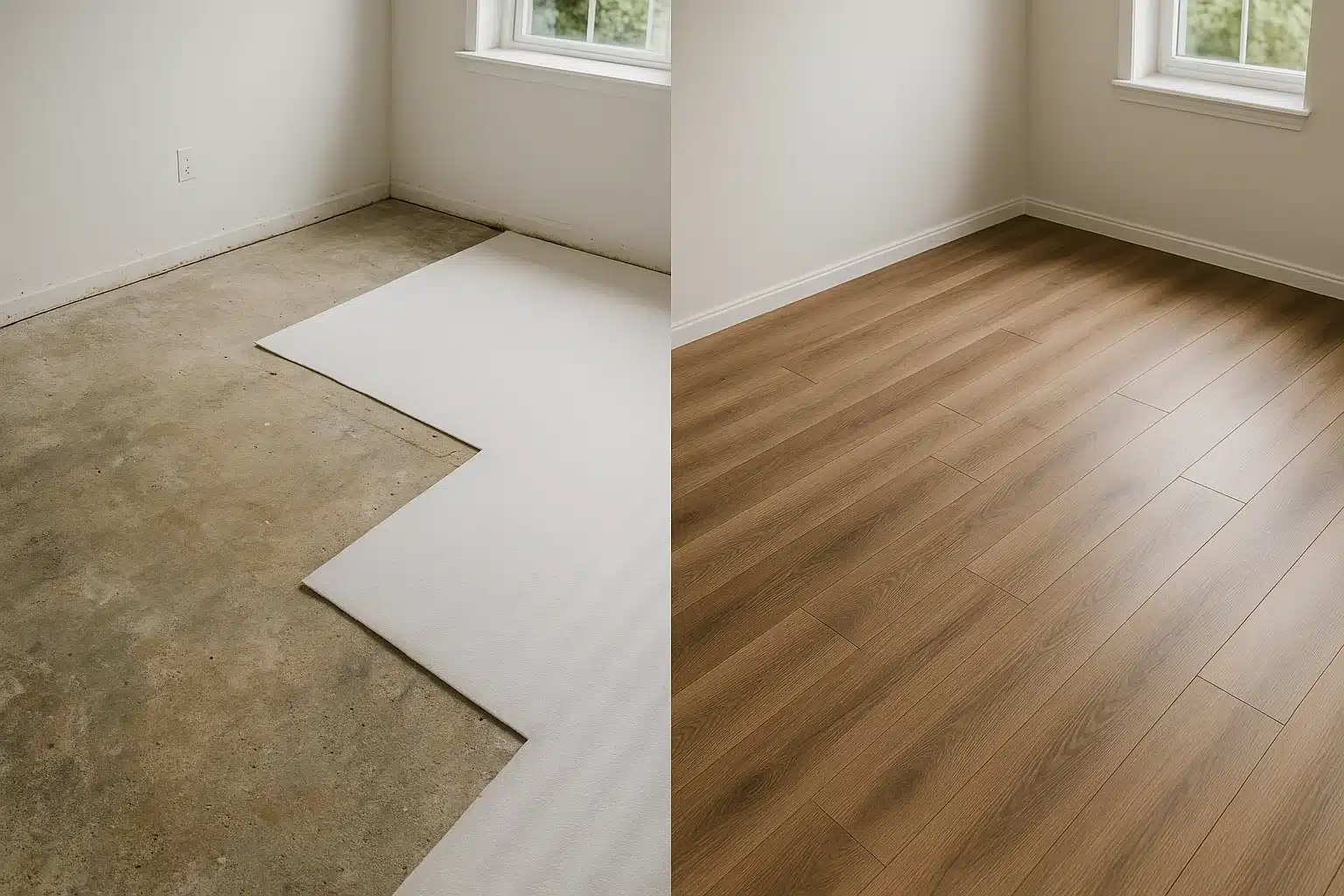
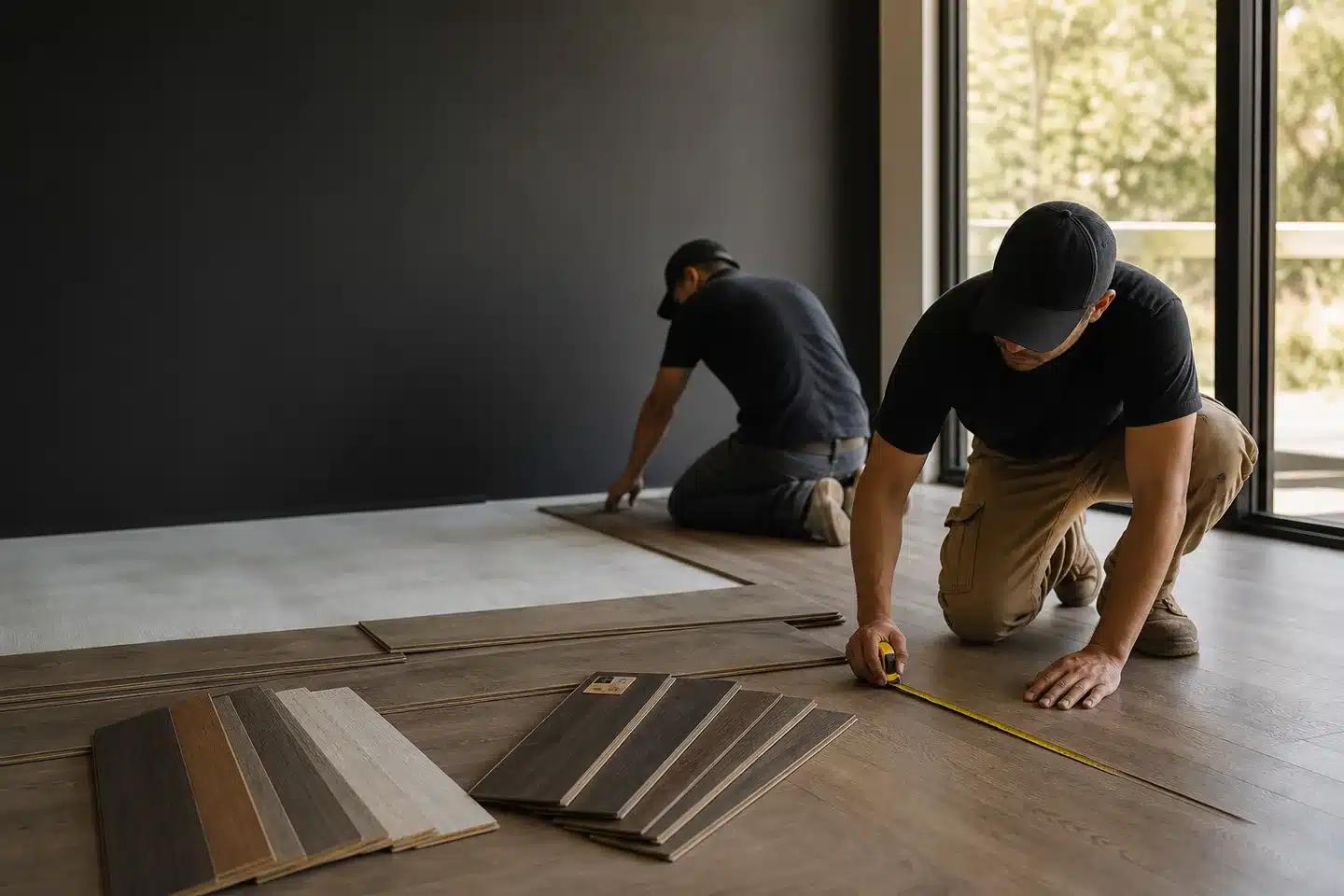
Flooring installation services in Austin TX should start with the property type and the reason for the project. Homes often need comfort, appearance, clean trim details, and room-by-room scheduling around daily life. Businesses may need durable surfaces, after-hours work, safe transitions, and a plan that reduces downtime. Rental properties and multifamily units usually prioritize turnover speed, consistent materials, and practical repair planning. Each situation changes the quote. A broad flooring service page should help visitors sort the project before choosing a material-specific installer. That means identifying the rooms involved, current flooring, subfloor type, moisture concerns, furniture, access, stairs, and deadline. Once those basics are clear, the project can be routed toward vinyl, LVP, laminate, hardwood, engineered hardwood, tile, carpet, replacement, or contractor-level coordination instead of treating every floor as the same job.
- Homes, rentals, offices, retail, and suites
- Material-specific routing instead of one generic quote
- Prep, access, schedule, and finish expectations
Which Flooring Installation Service Fits Your Project
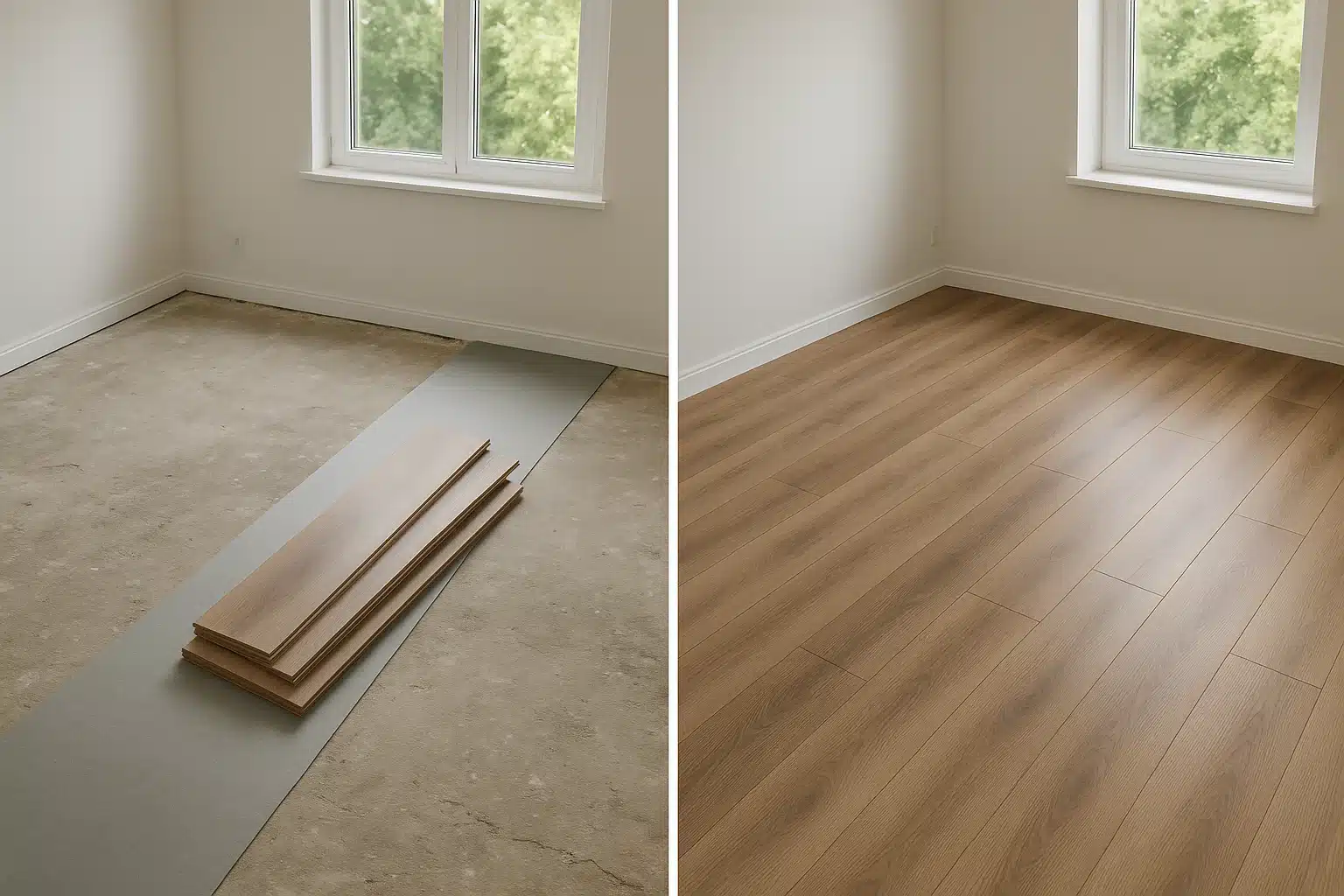
The right flooring installation service depends on what the room needs to do. Luxury vinyl plank is often considered for busy homes, rentals, kitchens, living areas, and commercial spaces where durability and water resistance matter. Sheet vinyl can fit utility areas, budget updates, or specific moisture-prone rooms. Laminate may work for cost-conscious floating floor projects when water exposure is controlled. Hardwood and engineered hardwood are better routed to pages that discuss wood appearance, slab limits, acclimation, and long-term care. Tile and carpet decisions involve different prep, comfort, and maintenance questions. A routing page should make the next click easier: choose the material page when you already know the surface you want; choose replacement or contractor pages when demolition, coordination, or larger scope is the main concern. If you are undecided, gather photos and priorities before requesting a recommendation.
- LVP and vinyl for active or moisture-aware spaces
- Laminate, hardwood, and engineered options by room fit
- Replacement or contractor pages for bigger coordination needs
Residential Flooring Installation in Austin TX

Residential flooring installation in Austin TX usually involves a mix of design goals and practical constraints. Homeowners may be replacing worn carpet, updating a kitchen, continuing flooring through an open living area, changing bedroom surfaces, or preparing a home for sale. The quote should consider furniture movement, pets, children, appliance access, baseboards, closets, stairs, and how long rooms can be out of use. Material choice also depends on daily routines. A quiet bedroom, a busy entry, a spill-prone kitchen, and a home office with rolling chairs may not all need the same product. Subfloor conditions matter too, especially on slabs where uneven areas, old adhesive, or height changes can affect installation. Residential planning should help the homeowner understand what can be priced from photos, what needs an in-person check, and which material-specific service page best matches the rooms.
- Bedrooms, kitchens, living rooms, stairs, and home offices
- Furniture, pets, appliance access, and daily-life scheduling
- Material choices based on comfort, durability, and appearance
Commercial Flooring Installation in Austin TX

Commercial flooring installation in Austin TX needs more planning than a simple square-foot price. Offices, retail stores, suites, showrooms, and service businesses often have customer traffic, employees, lease rules, loading limits, security procedures, and reopening deadlines. A quote should clarify the working hours, whether the space can close, how furniture or fixtures will be handled, what type of traffic the floor must support, and whether transitions must meet safety expectations. Material selection should also consider rolling chairs, entry moisture, cleaning routines, product availability, and replacement access if a section is damaged later. Commercial projects may require phased work, weekend scheduling, or coordination with painters, electricians, cabinet installers, or property managers. The best starting point is a clear scope with photos of the existing floor, doorways, thresholds, problem areas, and the areas that must remain usable during installation.
- Office, retail, suite, and showroom planning
- After-hours, phased, or low-downtime installation
- Traffic, cleaning, safety, and replacement considerations
Rental Property and Multifamily Flooring Installation

Rental property and multifamily flooring installation is usually driven by durability, consistency, cleanup, and timing. Owners and managers in Austin TX often need materials that can handle turnover, pets, tenant wear, and quick make-ready schedules without looking cheap. A broad installation quote should identify whether the work is for one unit, multiple units, common areas, or a portfolio standard. It should also separate occupied work from vacant work because access, furniture, noise, and scheduling change the installation plan. Material selection may prioritize LVP, vinyl, laminate, or carpet depending on room use and replacement strategy. Keeping extra material from the same product line can simplify future repairs. For multifamily or repeat work, consistent transitions, trim choices, and product specs help avoid a patchwork look across units while keeping maintenance easier for the next turnover.
- Vacant and occupied unit planning
- Durable materials and consistent portfolio standards
- Turnover timing, cleanup, and future repair access
Floor Removal Subfloor Prep and Leveling Before Installation
Floor removal, subfloor prep, and leveling can change the success of almost every flooring installation. Before new material goes down, the existing surface may need carpet and pad removal, vinyl tear-out, tile demolition, adhesive scraping, baseboard decisions, moisture review, patching, or slab correction. Austin TX properties with concrete slabs can have dips, cracks, high spots, or old residues that affect floating floors, glue-down products, tile, and wood systems differently. Prep should not be treated as a vague extra. It should be discussed early, with clear notes about what is visible now and what may only be known after demolition. Leveling requirements also depend on the selected material and manufacturer instructions. A routing page should help visitors understand that the cheapest installation number may not include the prep needed to prevent movement, gaps, telegraphing, cracked grout, or premature failure.
- Demolition, scraping, patching, and cleanup
- Slab flatness, cracks, moisture, and height changes
- Prep allowances versus confirmed scope
Flooring Materials Wholesale Pricing Bulk Deals and Supply Options
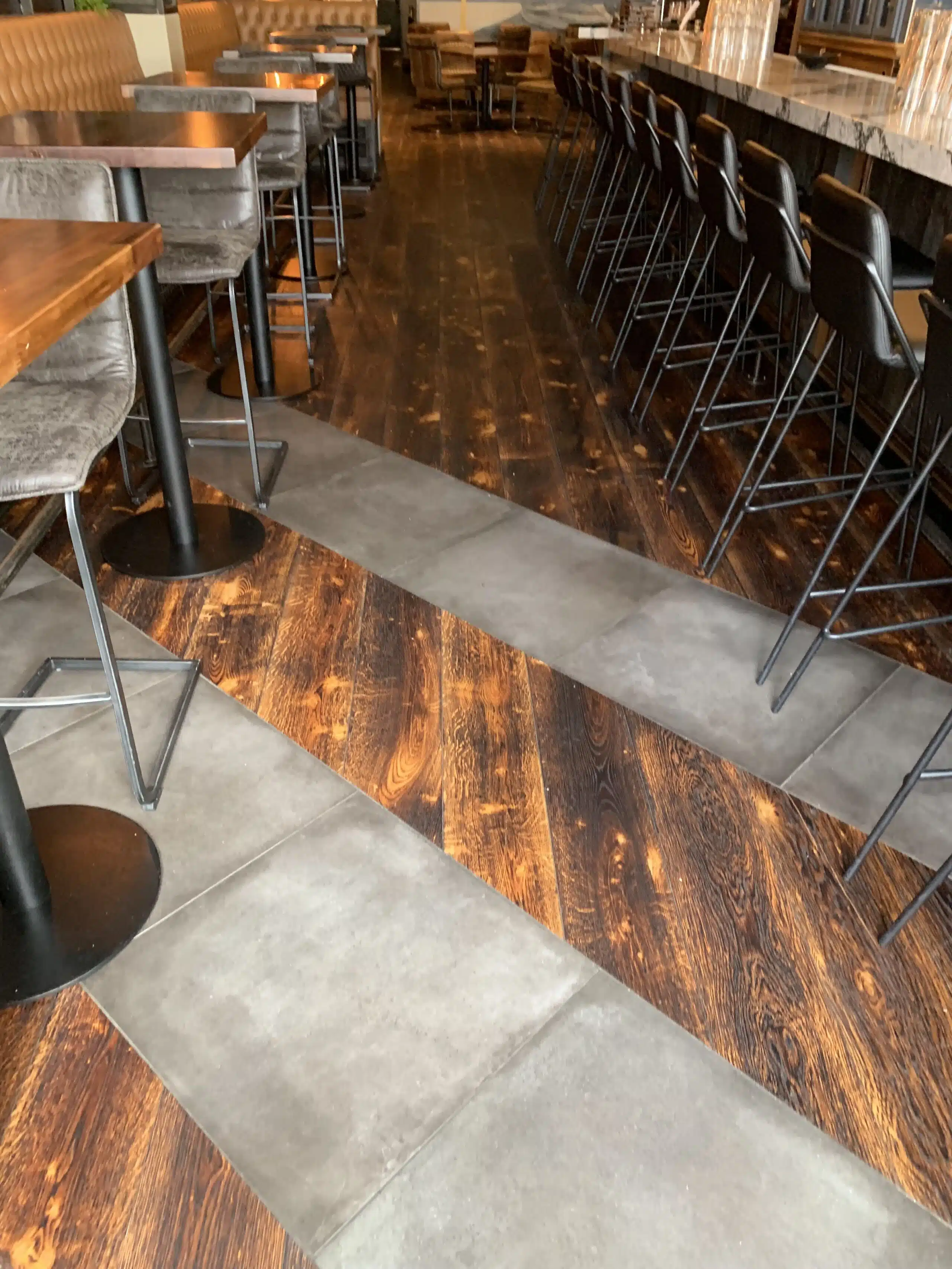
Flooring material sourcing can help or hurt a project depending on how it is handled. Wholesale pricing, bulk deals, and supply options are useful only when the product fits the room, the subfloor, the schedule, and the installation method. A low material price can become expensive if accessories are unavailable, dye lots vary, stair parts do not match, or the product is wrong for moisture, traffic, or rolling loads. Austin TX customers comparing materials should ask whether the quote includes product guidance, waste calculations, delivery timing, extra cartons, and transition pieces. For builders, rental owners, and commercial clients, consistent material standards can reduce decision fatigue and make future repairs easier. For homeowners, samples should be viewed in the actual space when possible. Material support should make the final installation clearer, not pressure the customer into a product before the scope is understood.
- Product fit before price comparison
- Bulk ordering, waste, and matching accessories
- Extra cartons for maintenance and repair
Flooring Installation Services Near Me in Austin TX

A search for flooring installation services near me in Austin TX usually means the customer wants a local team that can understand the property quickly and explain the next step without making the estimate confusing. Useful local service starts with the basics: address area, property type, room list, approximate square footage, current flooring, desired material, photos, access limits, and timeline. It should also account for common project realities such as slab preparation, occupied homes, rental turnovers, business downtime, stairs, trim, and transitions. This section should support near-me intent without turning into a location-stuffed paragraph. The practical promise is responsiveness, project fit, and clear routing. If the customer already knows the material, link them to the specific installer page. If they are still choosing, this page should help them compare the next best option before requesting a quote.
- Local quote information that actually helps
- Route known-material projects to the right installer page
- Use photos to identify prep and transition issues early
Request a Flooring Installation Quote in Austin TX
Request a flooring installation quote in Austin TX when you can describe the project well enough to route it to the right service. Start with the rooms, approximate square footage, current flooring, preferred material if known, property type, and target timing. Add photos of existing floors, doorways, transitions, stairs, baseboards, damaged areas, and any areas that seem uneven. If the property is a rental, office, retail space, or multifamily building, include access hours, parking or loading details, and any deadline tied to move-in or reopening. If you are undecided between materials, say what matters most: budget, water resistance, wood look, comfort, resale appearance, repairability, or speed. Call if you need help deciding what to send first. The goal is a quote that separates material, labor, removal, prep, transitions, trim, and scheduling instead of hiding the important details.
- Send room details, photos, timing, and material preferences
- Clarify property type and access constraints
- Separate labor, materials, removal, prep, and transitions
Flooring Installation Decision Table
| Project need | Likely path | Quote detail to confirm |
|---|---|---|
| Unsure which material fits | Use this broad routing page first | Rooms, use, budget, moisture, pets, and current flooring |
| Known LVP, laminate, hardwood, or vinyl | Move to the matching material page | Product line, installation method, transitions, and subfloor prep |
| Multiple rooms, business, rental turnover | Use contractor or replacement planning | Access, phasing, removal, disposal, downtime, and deadline |
Flooring Installation Quote Checklist
- Room list and approximate square footage
- Photos of current flooring, subfloor concerns, transitions, stairs, closets, and exterior doors
- Material preference, product name, or decision questions
- Removal, disposal, furniture, trim, and access expectations
- Timing, deadline, property type, and whether the space is occupied or operating
Flooring Installation Process and Trust Checks
- Scope review: Confirm rooms, material, use case, current floor, access, and timing before treating the quote as final.
- Prep review: Separate visible conditions from items that may require on-site inspection after removal.
- Installation plan: Document transitions, trim, product requirements, cleanup, and change-order handling.
- Closeout: Review visible finish details, care guidance, and spare material recommendations.
Flooring Installation Services in Austin TX FAQs
What is the purpose of this flooring installation services page?
This page is a decision hub for Austin TX flooring projects. Instead of trying to answer every material question in one place, it helps visitors identify the right next page or quote path. If you already know you want LVP, vinyl, hardwood, engineered hardwood, laminate, carpet, or tile, a material-specific page may be better. If you are comparing options, planning a replacement, or trying to understand prep and cost drivers, this page gives you a clearer starting point. The FTC’s home-improvement guidance can also help you compare written estimates, deposits, and project terms before hiring.
How do I know which flooring material is right for my project?
Start with the room use, moisture exposure, traffic level, budget, appearance goals, and how long the space can be out of service. Kitchens, rentals, offices, bedrooms, and retail spaces all place different demands on flooring. Then consider the current subfloor and whether removal or leveling is likely. If you want a wood look with practical durability, LVP or engineered hardwood may be options. If comfort or budget leads the decision, laminate or carpet may fit certain rooms.
What information should I send for a flooring installation quote?
Send room names, approximate square footage, current flooring, preferred material if you have one, and photos of each space. Include doorways, transitions, stairs, baseboards, damaged areas, and any uneven spots. If the property is occupied, note furniture, pets, business hours, or tenant access. If timing matters, share the target move-in, reopening, or remodel date. These details help separate material, removal, subfloor prep, transitions, trim, and installation labor instead of relying on a vague square-foot estimate.
Does flooring removal need to be quoted separately?
Often, yes. Removing carpet, pad, tack strips, glued vinyl, tile, laminate, or wood can require very different labor, disposal, and cleanup. The condition under the old floor may also affect the new installation. Adhesive residue, slab cracks, moisture concerns, or height changes might not be visible until demolition begins. A useful quote should explain what removal is included, what is assumed, and what could change after the existing floor comes up. That makes the budget easier to trust.
Can one flooring material work through the whole property?
One material can work through many areas, but it is not always the best answer for every room. Continuous LVP, engineered hardwood, or laminate may create a clean look across living areas and bedrooms, while bathrooms, laundry rooms, stairs, or commercial entries may need different planning. The product must also allow the intended run length and installation method. Before choosing one surface everywhere, review moisture exposure, subfloor flatness, transitions, sunlight, furniture, rolling loads, and manufacturer requirements. NALFA’s laminate flooring resources are a useful background read when comparing wear layers, underlayment, and room suitability.
How do commercial flooring installation quotes differ from home quotes?
Commercial quotes usually include more scheduling and access questions. The installer may need to plan around business hours, employees, customers, lease rules, loading areas, security, furniture, fixtures, and reopening deadlines. Material choice also depends on traffic, cleaning routines, rolling chairs, entry moisture, and repair access. A home quote may focus more on appearance, comfort, furniture movement, pets, and room-by-room convenience. Both need good prep details, but commercial projects often require tighter coordination and phased work.
What flooring works best for rental properties in Austin TX?
Rental flooring depends on the unit type, tenant profile, budget, turnover speed, and maintenance strategy. LVP and vinyl are common options because they can balance durability, appearance, and replacement practicality. Carpet may still fit some bedrooms when comfort and upfront cost matter. Laminate can work in controlled areas, but water exposure must be considered carefully. For rental portfolios, consistent product choices, extra stored material, practical colors, and clean transition standards often matter as much as the initial installation price.
Why does subfloor leveling affect flooring installation cost?
Subfloor leveling affects cost because it changes the labor and materials needed before the visible flooring can be installed. Dips, humps, cracks, old adhesive, and moisture concerns can cause movement, gaps, telegraphing, cracked grout, or locking-joint stress depending on the chosen floor. Some products have strict flatness requirements. If the subfloor is not prepared correctly, a cheaper installation can fail early. The quote should separate confirmed prep from possible allowances so you understand what is known and what may be discovered later.
Should I buy flooring materials myself or through the installer?
You can buy materials yourself, but the product still needs to fit the installation method, subfloor, room use, and accessory needs. Buying through a supply path connected to the installer may help with waste calculations, matching transitions, stair pieces, delivery timing, and product suitability. If you already purchased flooring, share the product name, installation instructions, cartons, and accessory details before scheduling. A low material price is not helpful if the floor is wrong for the space or missing required pieces.
What happens after I request a flooring installation quote?
After you request a quote, the next step is usually to clarify the rooms, measurements, current floor, desired material, photos, timing, and any special access concerns. The project can then be routed to the right service path, such as LVP, vinyl, hardwood, laminate, replacement, or contractor coordination. Some quotes can begin remotely, while others need an on-site review before final scope. A clear process should identify unknowns, prep needs, material questions, and scheduling before installation is promised.
What information should I send before requesting flooring installation?
Send room list, approximate square footage, photos, current flooring, material interest, timeline, access notes, stairs, transitions, and any known subfloor or moisture concerns.
Can one flooring installation project include multiple materials?
Yes. Multi-material projects are common, but each material needs its own installation method, transition plan, prep review, and quote detail.
How do I know if old flooring should be removed first?
Removal depends on the current flooring type, product requirements, height limits, subfloor condition, moisture, adhesive, and whether existing layers are stable. The USDA Forest Products Laboratory’s Wood Handbook is a useful background read for understanding wood movement, moisture, and product performance.
Can flooring installation be done room by room?
Often yes. Room-by-room installation can help occupied homes and businesses, but furniture, transitions, access, dust control, and scheduling should be planned first.
What causes flooring installation delays?
Delays can come from product availability, hidden subfloor damage, moisture findings, furniture movement, demolition surprises, transition issues, or changes to the selected material.
Related Austin Flooring Company Services
Related Austin Flooring pages
These related pages may help with the next step in planning this flooring project.