
Austin flooring services
Austin Hardwood Flooring Services
Austin Hardwood Flooring Services — Solid hardwood flooring help for Austin homes that need lasting wood character, careful prep, clean transitions, and a clear installation plan.
- Licensed & Insured
- Locally Trusted
- Fast Estimates
- 5-Star Rated
Hardwood flooring is a long-term surface decision. Austin Flooring Company helps homeowners and property teams compare solid hardwood options, plan installation details, and avoid surprises with subfloor prep, room transitions, trim, and finish expectations. The goal is a floor that fits the home, not just a product that looks good in a small sample.
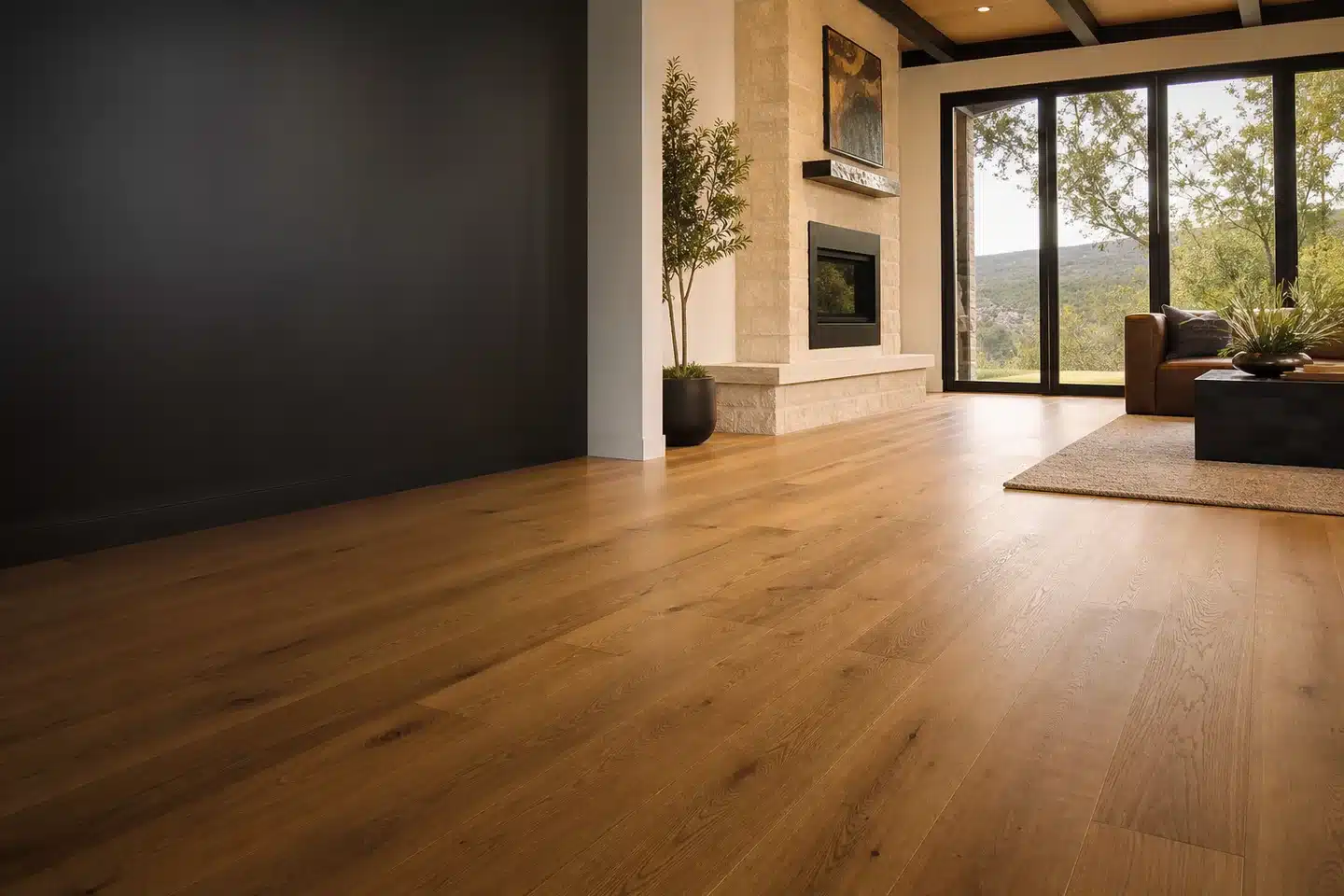
Start With the Room and the Hardwood Goal
A hardwood project should begin with how the rooms are used. A living room, bedroom suite, staircase, office, and formal dining room can all point toward different plank widths, species, stain tones, finish durability, and installation details.
- Decide whether the main goal is timeless appearance, resale appeal, repairability, warmth, or matching existing wood.
- Identify rooms with heavy sun, pets, rolling chairs, children, or frequent furniture movement.
- Compare solid hardwood with engineered wood when slab conditions, height transitions, or stability concerns matter.
- Review existing flooring removal, baseboards, door clearances, and transition points before selecting material.
- Plan whether the finished look should feel traditional, rustic, modern, matte, smooth, wire-brushed, or character-grade.
Hardwood Flooring Installation for Austin Homes
Many Austin homes use hardwood in living rooms, dining areas, bedrooms, offices, hallways, and stairs because it adds warmth and can be maintained over time. The right installation plan depends on the existing subfloor, moisture conditions, layout direction, and how the wood will meet tile, carpet, vinyl, or existing hardwood nearby.
For remodels, hardwood planning often includes dust control, furniture sequencing, appliance clearances, and whether adjacent rooms should be upgraded now or left for a later phase. A clear scope helps keep the project practical for real household routines.
Hardwood for Offices, Boutiques, and Hospitality Spaces
Hardwood can make commercial spaces feel warm and finished, but it needs realistic planning. Offices, boutique retail, studios, waiting rooms, and hospitality spaces may need extra attention to traffic patterns, rolling loads, cleaning routines, and repair planning.
- Use durable finishes in customer-facing or high-traffic zones.
- Plan entry mats and maintenance expectations where grit or moisture is common.
- Confirm after-hours access if downtime needs to be limited.
- Use transitions that reduce trip points between wood and tile, carpet, concrete, or vinyl.
- Document product, finish, and replacement-board details for future repairs.
Choose Hardwood Species, Width, and Finish by Room Use
Hardwood decisions should connect appearance with performance. Oak, hickory, maple, walnut, and other species vary in grain, hardness, color movement, and how they accept stain. Wider planks create a different look but may need tighter planning around subfloor flatness and movement.
- Oak remains a flexible choice for many Austin homes because it balances character, availability, and finish options.
- Matte and satin finishes can be more forgiving than high-gloss finishes in active households.
- Wire-brushed or textured surfaces may hide small marks better than very smooth dark floors.
- Stain color should be reviewed under the home’s actual lighting when possible.
- Existing stair parts, railings, cabinets, and doors should influence color and trim choices.
Plan Prep, Leveling, and Transitions Early
Hardwood rewards careful prep. Before installation, the subfloor should be checked for flatness, moisture, movement, and old adhesive or fastener issues. Door heights, baseboards, casing, stair noses, and adjacent flooring levels can change the final scope.
- Check slab or wood subfloor condition before locking in the installation method.
- Confirm acclimation and site conditions where the product requires them.
- Review whether glue-down, nail-down, or another method fits the home and product.
- Plan reducers, T-molds, stair noses, and doorway transitions before work begins.
- Discuss furniture moves, appliance protection, dust expectations, and cleanup.
Photos and Measurements for a Better Estimate
Good photos help separate a simple hardwood quote from a project that needs a deeper site review. The most useful photos show room layout, existing floor type, transitions, baseboards, stairs, and any damage or uneven areas.
- A wide photo of each room from the doorway or corner.
- Close photos of the current flooring, thresholds, stairs, and any damaged areas.
- Approximate room dimensions or a simple sketch showing closets, hallways, and adjoining rooms.
- Notes about pets, rental deadlines, business hours, furniture, appliance moves, or access limits.
- Any preferred product name, plank size, color family, or sample photos you already like.
What Your Hardwood Flooring Scope Should Confirm Before Work Starts
Hardwood quotes should be specific enough that the homeowner knows what is included. Vague scopes can miss prep, transitions, trim, stairs, or disposal. A clear scope also makes it easier to compare solid hardwood with engineered wood flooring or other materials.
- Which rooms are included and which rooms are excluded.
- Removal plan for the old flooring, adhesive, tack strips, trim, or transitions.
- Subfloor repair, flattening, moisture review, and prep responsibilities.
- Material, underlayment, installation method, layout direction, transitions, and trim details.
- Furniture moves, haul-away, cleanup, access, schedule, and payment milestones.
Austin Project Planning Notes for Hardwood Floors
Austin homes often mix slab foundations, remodel additions, older trim details, pets, heavy sunlight, and open-plan rooms. Those details affect hardwood product choice, installation method, plank direction, and how the floor should meet tile or carpet in nearby rooms.
If the project is part of a larger remodel, hardwood timing should be coordinated with painting, cabinets, doors, stairs, and appliance delivery. Getting that sequence right protects the new floor and reduces avoidable rework.
Compare Hardwood With Other Austin Flooring Options
Hardwood is best when the project needs real wood character, long-term value, and the option to repair or refinish the surface later. It may not be the simplest answer for every room. Homes with frequent spills, slab concerns, rental turnover, or very tight budgets may also compare engineered wood, laminate, vinyl, or tile before deciding. The useful question is not which material is best in general; it is which material fits the room, the subfloor, the maintenance routine, and the way the home will be lived in.
For Austin homeowners, that comparison often comes down to lifestyle. Hardwood can make main living areas and bedrooms feel warmer, while tile or vinyl may be easier near wet zones. Engineered wood can preserve a real wood look where solid hardwood is less practical. Laminate can be a budget-friendly refresh for bedrooms or rentals. A good flooring plan puts those choices side by side before material is ordered.
Austin Hardwood Flooring FAQs
Is solid hardwood a good choice for Austin homes?
Solid hardwood can be a strong choice for many Austin living areas, bedrooms, offices, and stairs. The best fit depends on the subfloor, moisture conditions, room use, and whether the home needs the repairability and long-term character of real wood.
When should I compare hardwood with engineered wood?
Compare both when the home has a slab foundation, height limits, wider plank preferences, or stability concerns. Engineered wood can offer a real wood surface with a construction that works better for some rooms and installation methods.
Can hardwood be installed over an existing floor?
Sometimes removal is still the cleaner path. The decision depends on the existing material, height at doors and transitions, subfloor condition, fastening method, and whether the old floor is flat, stable, and suitable for the new product.
What changes the cost of hardwood flooring in Austin?
Material grade, species, plank width, installation method, removal, subfloor repair, stairs, trim work, transitions, furniture moves, and layout complexity can all change cost. Photos and measurements help narrow the quote before an onsite review.
How should pets affect hardwood choices?
Pets make finish durability, texture, color, and maintenance more important. Matte or textured surfaces may show daily wear less than dark glossy floors, and entry mats plus regular cleaning help reduce grit that can scratch the finish.
Is hardwood practical for kitchens?
Hardwood can work in some kitchens, but water habits, appliances, dishwashers, and cleaning routines matter. Many homeowners compare hardwood with tile or luxury vinyl plank in kitchens where spills and moisture are frequent.
How long does hardwood installation take?
Timing depends on room count, removal, prep, installation method, stairs, trim, and whether finishing is involved. A simple room may be faster, while a multi-room remodel with transitions and prep needs more scheduling detail.
What should I send for a hardwood quote?
Send photos of the rooms, existing floors, transitions, stairs, damaged areas, and any product samples you like. Rough dimensions, preferred timing, and notes about furniture or access also help.
Can Austin Flooring Company match existing hardwood?
Matching may be possible, but exact matches depend on species, width, thickness, age, stain, finish, and sun exposure. A close match may still look different if the existing floor has aged or changed color over time.
Do hardwood floors need acclimation?
Many hardwood products require site-condition review and sometimes acclimation. Product instructions, humidity, subfloor moisture, and the home’s climate control should be considered before installation starts.
Should baseboards be removed for hardwood installation?
That depends on the current trim, desired finish, floor height, and whether shoe molding is acceptable. The scope should state how baseboards, quarter round, door casing, and cleanup will be handled.
Can hardwood be used on stairs?
Yes, but stairs need detailed planning. Stair noses, treads, risers, rail details, landing transitions, and safety expectations should be confirmed before material is ordered.
How do I avoid awkward transitions with hardwood?
Plan transitions early. Adjacent tile, carpet, vinyl, concrete, and existing hardwood may all sit at different heights, so reducers, thresholds, and doorway details should be included in the scope.
What finish is best for busy households?
Many active homes prefer durable matte or satin finishes because they can be more forgiving than glossy dark floors. The right choice still depends on species, color, texture, pets, children, and cleaning habits.
How do I decide between repair and full replacement?
Repair may make sense for isolated damage if matching material is available and the surrounding floor is in good shape. Full replacement may be better when damage, height problems, product mismatch, or layout changes affect multiple rooms.
Hardwood Project Notes That Change Flooring Scope
Hardwood work can look simple at first, but small details often change the final plan. Confirming those details early helps prevent scope gaps and makes the quote easier to trust.
- Subfloor flatness, moisture, and old adhesive residue.
- Stair details, nosing choices, and railing coordination.
- Baseboard removal, shoe molding, and door trimming.
- Matching existing hardwood species, color, plank width, and finish.
- Timeline coordination with painting, cabinets, appliances, and other remodel work.
Related Austin Flooring Planning Pages
- Engineered wood flooring services
- Laminate flooring services
- Tile flooring services
- Vinyl flooring in Austin
- Request an Austin flooring quote
Room-by-Room Hardwood Planning for Austin Homes
Hardwood decisions get easier when the project is reviewed room by room. A living room may need a floor that handles sunlight, furniture movement, and open transitions. Bedrooms may prioritize warmth and comfort underfoot. Stairs need a different discussion because treads, risers, nosing, safety, and handrail details can change both product choice and labor. Offices should consider rolling chairs, rugs, and whether a darker finish will show daily dust or scratches.
Open-plan Austin homes also need a layout plan. Plank direction, longest sight lines, thresholds, and the way the hardwood meets kitchen tile or entry flooring can make a finished job feel intentional instead of patched together. If the project is being phased, material availability and color matching should be documented so later rooms do not feel disconnected.
- Living rooms: plan sunlight, furniture traffic, rugs, and transitions to kitchens or entries.
- Bedrooms: balance warmth, tone, and comfort with the home’s overall design.
- Stairs: confirm stair noses, landings, tread details, and safety expectations.
- Offices: consider rolling chairs, chair mats, finish durability, and glare.
- Open areas: review plank direction, sight lines, and where material changes should occur.
For a practical next step, share photos, rough measurements, the flooring material you are considering, and the rooms involved. Austin Flooring Company can help turn that information into a clearer quote path.