
Vinyl Flooring Installation Services in Austin TX
Austin Flooring Company helps homeowners, landlords, rental managers, and small commercial owners plan vinyl flooring projects that need a practical finish, a smooth surface, and a realistic installation scope. This page is focused on standard vinyl and sheet vinyl work: roll goods, glue-down or loose-lay products, seams, wet utility rooms, damaged vinyl, replacement planning, and quote details that should be clear before material is cut.
Vinyl projects often look simple until the existing floor is checked. Old adhesive, uneven patching, appliance areas, bathrooms, laundry rooms, closets, cabinets, and door transitions can change the best installation method. A useful quote should separate material, removal, floor prep, seam planning, adhesive, trim, haul-away, and schedule needs instead of treating every room as a flat square-foot number.
Sheet Vinyl Installation
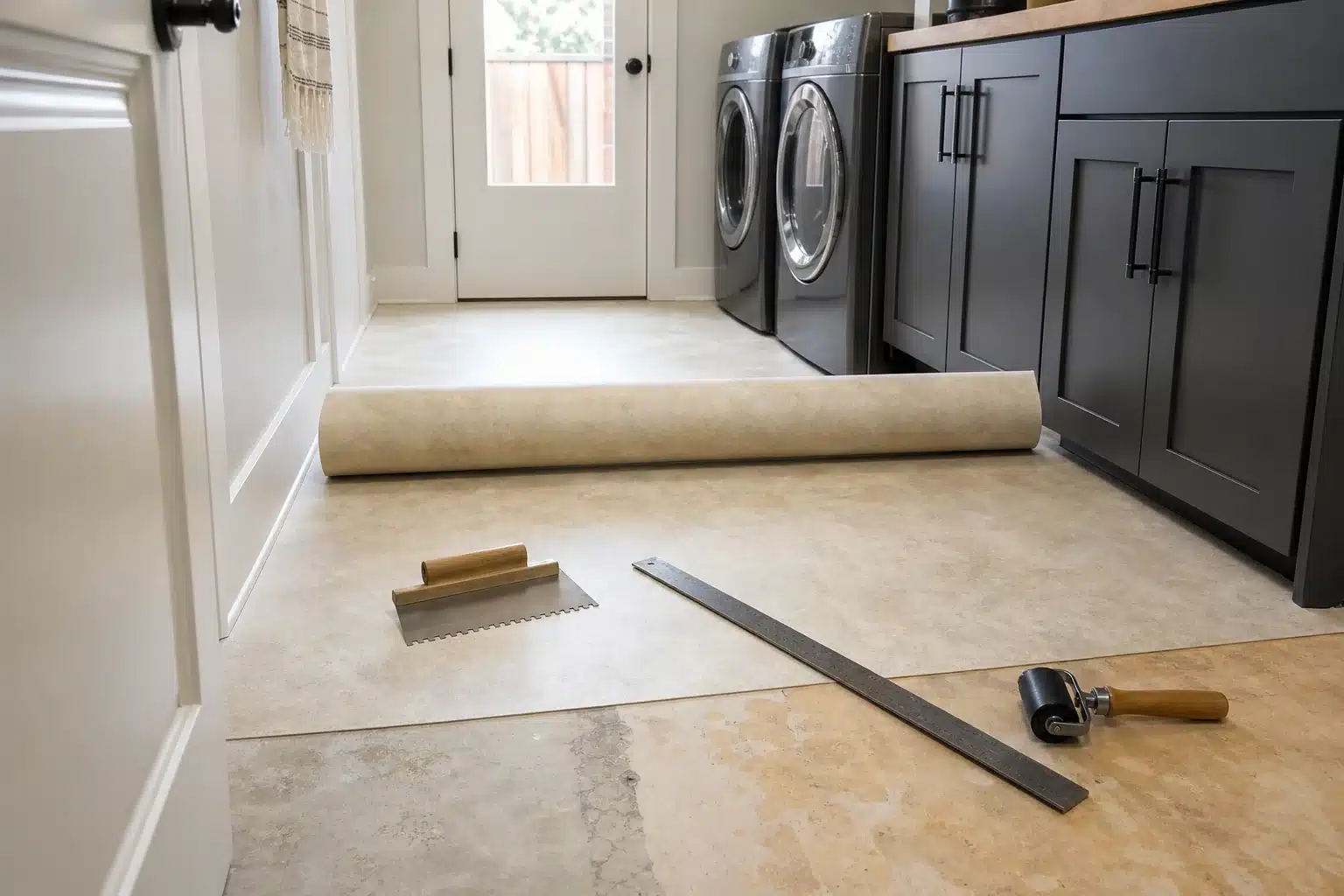
Sheet vinyl is often selected for rooms where a continuous surface is more useful than a plank look. Laundry rooms, utility rooms, rental turns, small kitchens, bathrooms, storage areas, and budget updates can benefit from fewer joints and easier cleanup when the product fits the room conditions.
The installer should confirm roll width, pattern direction, seam location, fixture cuts, wall edges, toilet and appliance areas, thresholds, and whether baseboards or shoe molding need to be removed. A small room may be installed as one piece, while connected rooms or irregular layouts may need a planned seam. That seam should be placed with water, traffic, sightlines, and future wear in mind.
Glue-Down and Loose-Lay Vinyl
Glue-down vinyl is common when the room needs a secure bond or will see appliances, traffic, or repeated cleaning. The adhesive must match the product backing, substrate, moisture conditions, and manufacturer instructions. Skipping surface prep can lead to bubbles, loose edges, seam stress, or visible texture through the finished floor.
Loose-lay sheet vinyl can work only when the selected product allows it and the room conditions support it. Edges, room size, traffic, appliance movement, doorway transitions, and temperature changes all matter. The installation method should follow the actual product and room use, not a generic assumption.
Vinyl Flooring for Kitchens, Baths, Laundry Rooms, and Rentals
Kitchens, bathrooms, laundry rooms, and rental units usually need flooring that balances cleanup, budget, durability, and turnaround time. Vinyl can be a good fit when the subfloor is stable and the material is chosen for the way the room is used. Appliance moves, toilet cuts, water exposure, cabinet edges, and access timing should be included in the quote.
Rental and occupied-home projects also need practical scheduling. The quote should note whether furniture, appliances, pets, tenant access, cleanup, and room-by-room phasing are part of the work. Those details help avoid surprises during a fast turn or occupied installation.
Vinyl Floor Repair and Replacement in Austin TX
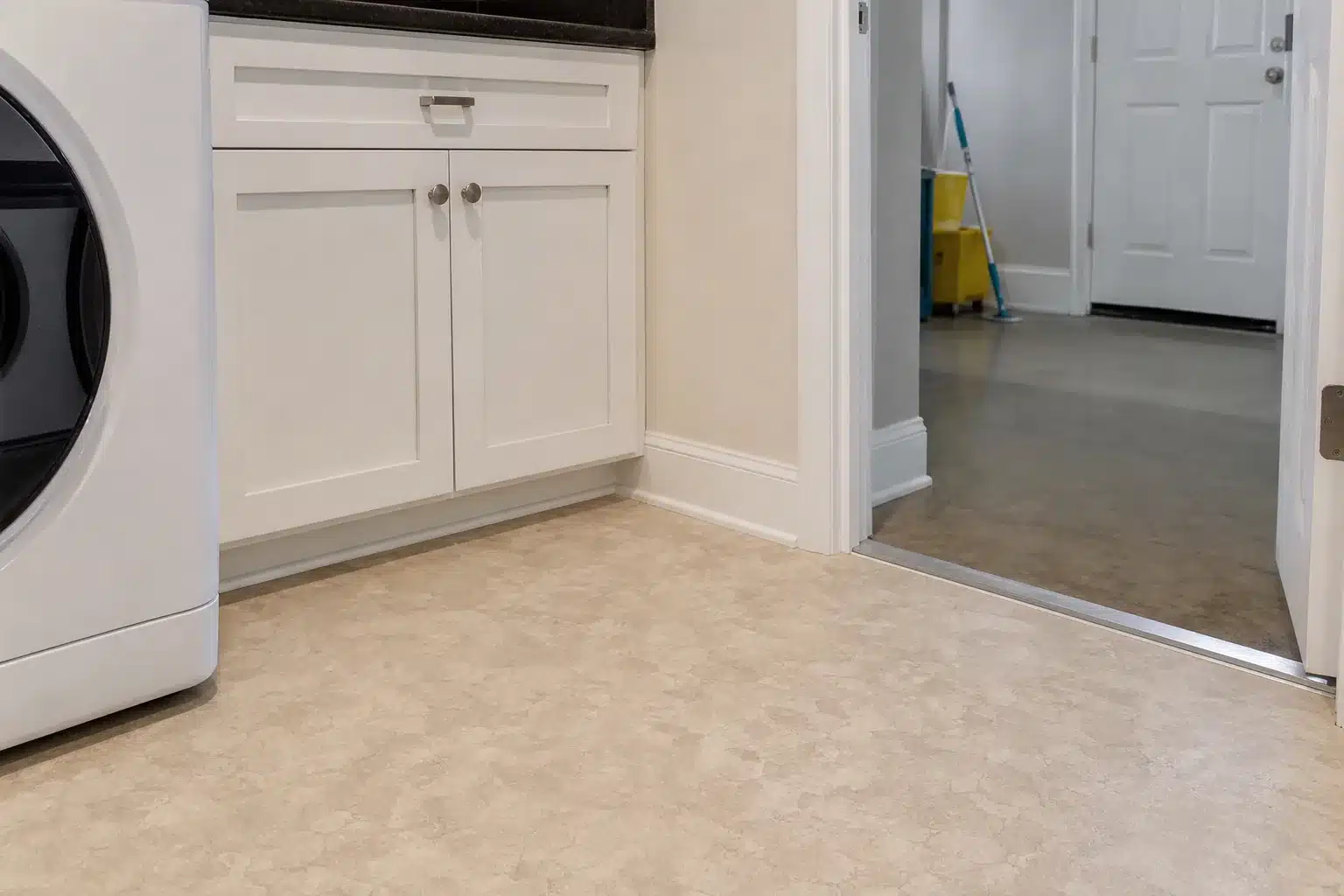
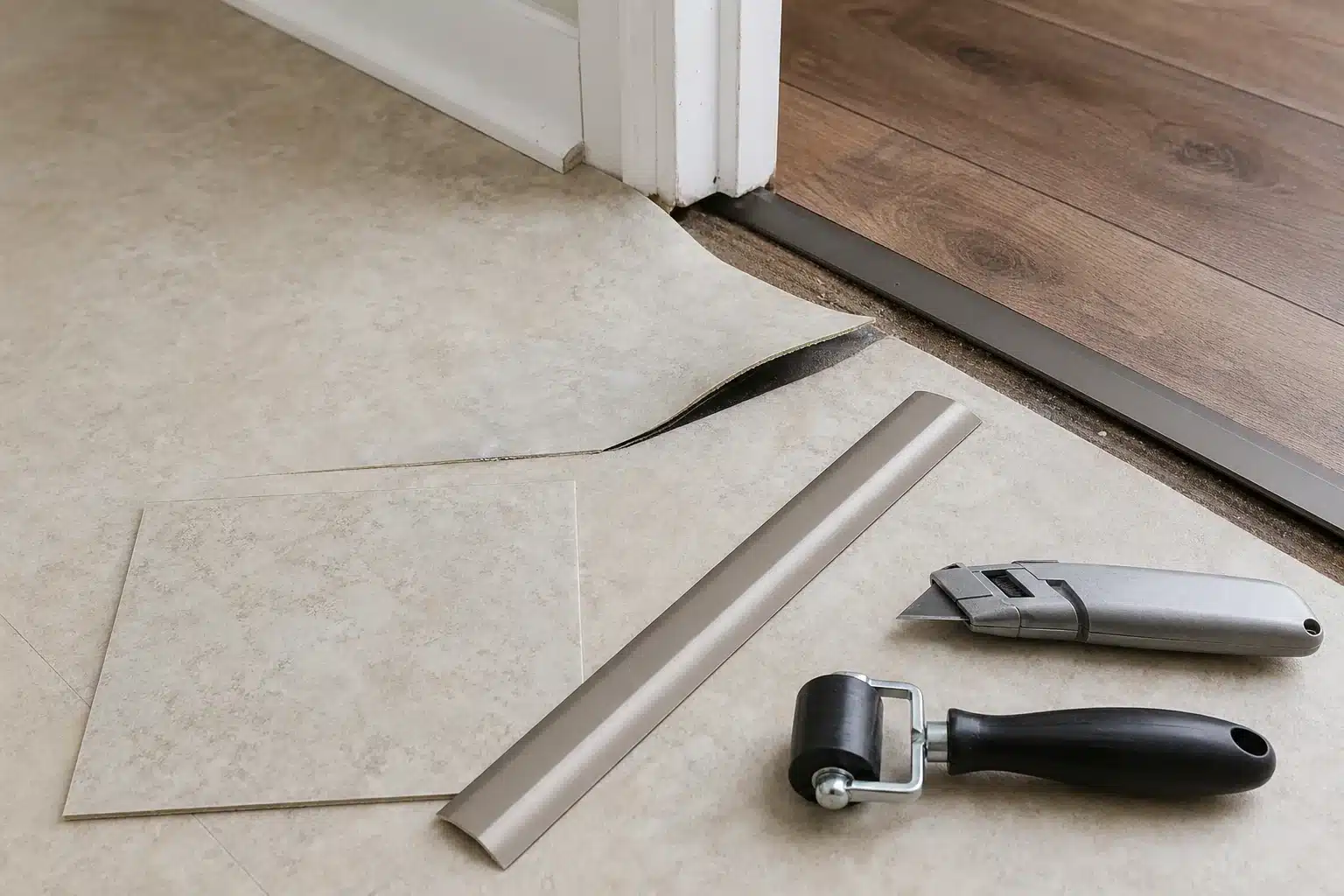
Vinyl repair may be possible when the problem is small, the surrounding floor is still bonded well, and matching or compatible material is available. Cuts, lifted edges, loose seams, small damaged areas, and transition problems may be repair candidates. Replacement is usually the better choice when the floor is brittle, stained throughout, water-damaged underneath, poorly adhered across the room, or impossible to match.
Good repair planning starts with photos of the damage and the surrounding room. Wide photos show where the problem sits in relation to walls, appliances, doorways, and transitions. Close-up photos show whether the issue looks like a cut, bubble, seam failure, adhesive problem, or subfloor movement.
Sheet Vinyl vs LVP vs Laminate
Sheet vinyl, LVP, and laminate can all solve flooring problems, but they are not the same material. Sheet vinyl is supplied in rolls and is often useful for utility spaces, small wet-prone rooms, rentals, and cost-controlled replacement. LVP flooring installation uses individual planks and is usually chosen for a wood-look appearance, plank replacement options, and room-to-room design flow. Laminate flooring installation is generally better suited to dry rooms where a floating wood-look floor fits the budget and use case.
If the project is a laundry room, bath, compact kitchen, closet, storage area, or rental turn, sheet vinyl may be the simpler scope to price. If the project needs a plank look across open living areas, LVP may fit better. If the room is dry and the budget points toward a floating floor, laminate may be worth comparing.
Subfloor Preparation Before Vinyl Installation
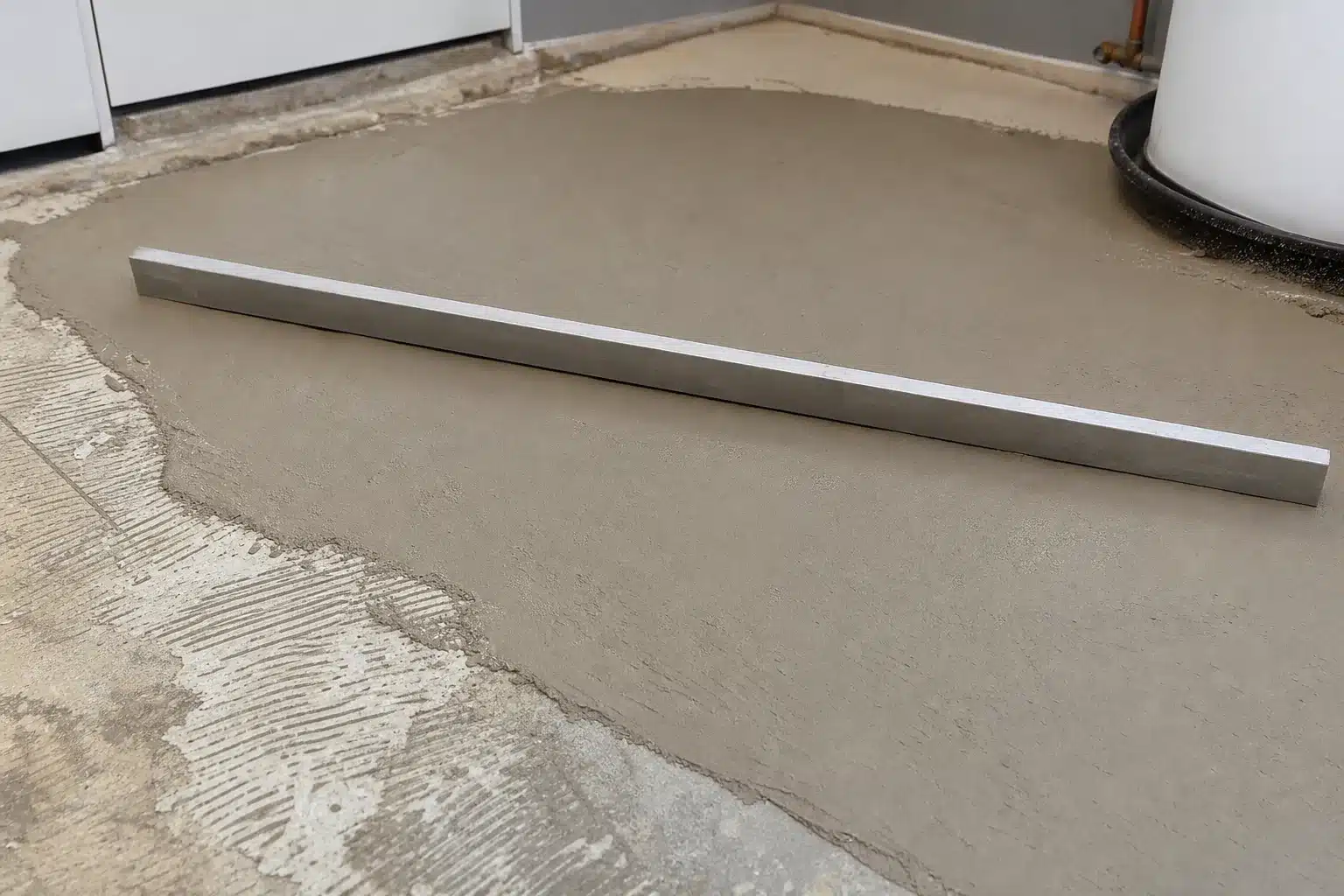
Vinyl flooring needs a smoother surface than many people expect. Ridges, old adhesive, rough patches, loose panels, cracked tile, debris, and moisture can show through the finished floor or weaken the bond. Prep may include removing old flooring, scraping adhesive, patching low spots, skim coating, checking moisture, tightening panels, or adding an approved underlayment.
Prep should be discussed before the vinyl is cut. If the old floor is already lifting, stained, soft, or uneven, the quote should not assume installation over it will work. A better scope identifies what can stay, what should be removed, and what needs to be smoothed before installation.
Vinyl Flooring Materials and Supply Options
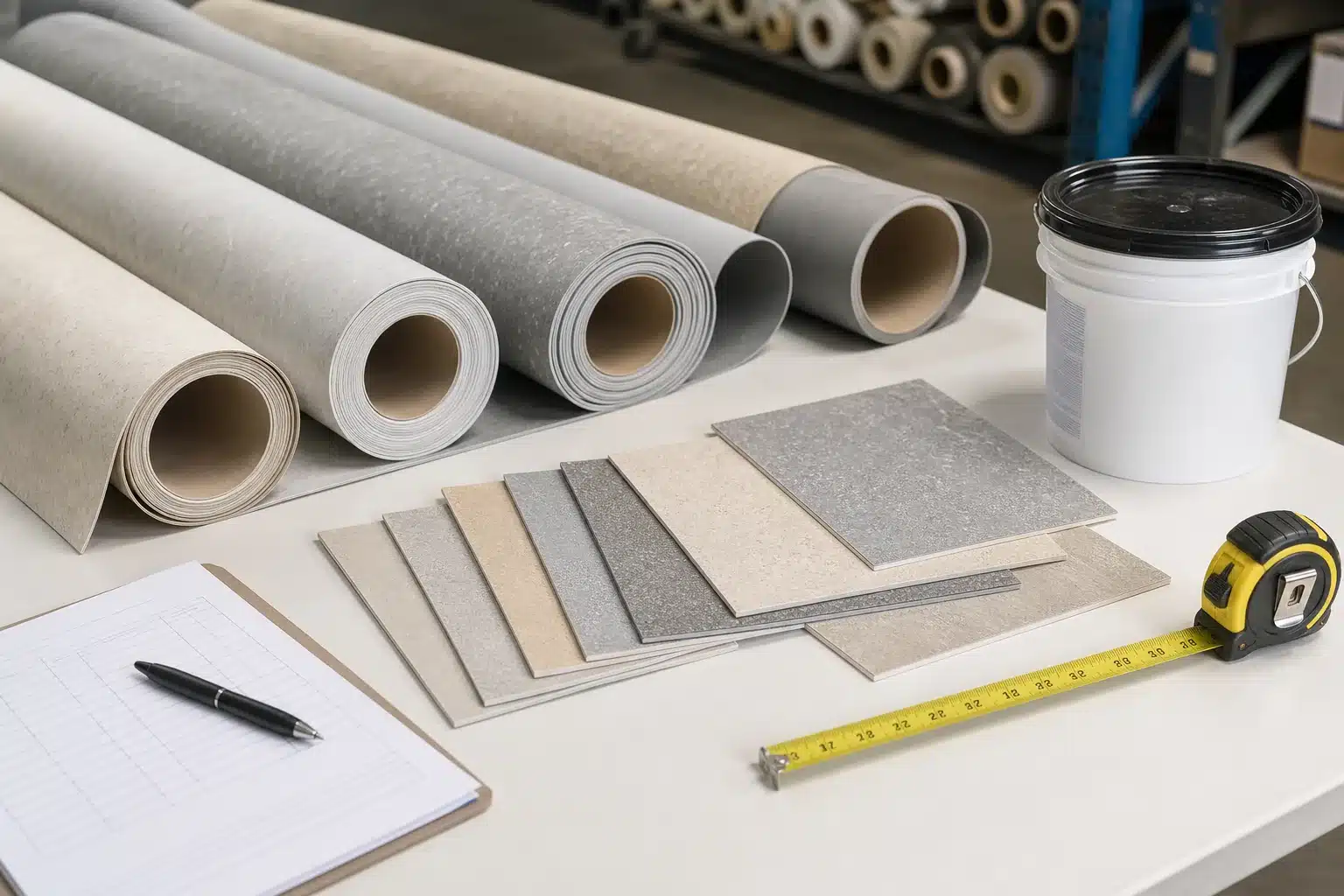
Some customers already have vinyl material selected. Others need help choosing a product that fits the room, budget, cleaning expectations, and installation method. If material is owner-supplied, the quote should confirm roll width, backing type, adhesive requirements, installation instructions, enough waste for cuts, and whether matching material will be available for future repair.
For multi-room rental turns or small commercial projects, material availability can matter as much as appearance. A practical plan checks lead time, waste, transition pieces, adhesive, underlayment if needed, and whether the rooms can be grouped into one efficient installation schedule.
Request a Vinyl Flooring Quote in Austin TX
For a more useful first estimate, send room names, approximate dimensions, current flooring photos, damaged-area close-ups, doorway and threshold photos, appliance or fixture details, project timing, and any product already selected. If the vinyl has already been purchased, include the product link, roll width, backing type, installation guide, and how much material is on hand.
Austin Flooring Company can then help separate material, removal, prep, installation, seams, trim, repair, replacement, and cleanup so the scope is easier to compare. If you are still choosing between materials, review flooring installation services and floor replacement planning before scheduling.
Vinyl Flooring Installer FAQs
Is sheet vinyl a good choice for Austin kitchens, baths, laundry rooms, and rentals?
Sheet vinyl can be a practical choice for compact rooms, wet utility spaces, laundry areas, rental turns, and budget updates because it can create a continuous surface with fewer joints than plank flooring. The right product still depends on room use, subfloor condition, fixture cuts, moisture exposure, and how the space will be cleaned. The EPA’s VOC guidance is helpful background when indoor air quality, adhesives, or resilient flooring products are part of the decision.
Can sheet vinyl be installed over an existing floor?
Sometimes, but only when the existing surface is stable, clean, dry, smooth, and compatible with the vinyl product. Old vinyl, tile, adhesive residue, soft spots, cracked patching, or uneven texture can cause telegraphing, bubbles, weak seams, or lifting. Many projects need removal, skim coating, or underlayment before new vinyl goes down.
What causes vinyl flooring seams, bubbles, or lifting?
Common causes include moisture, dust, old adhesive, wrong adhesive, rough patching, poor seam placement, weak bond, rolling loads, appliance movement, or installation over a surface that should have been removed. A repair estimate should look at the failed area, nearby edges, doorways, appliance locations, and the floor underneath.
Is glue-down vinyl or loose-lay vinyl better?
Neither method is automatically better. Glue-down vinyl can be the stronger choice for many utility rooms, rentals, and spaces with appliances or steady traffic. Loose-lay products may work in limited situations when the product instructions, room size, edges, and use conditions allow it. The installation method should follow the selected vinyl and the room conditions.
Can damaged vinyl flooring be repaired instead of replaced?
Repair may make sense for a cut, loose seam, lifted edge, or small damaged area when the surrounding floor is still bonded well and matching material is available. Replacement is usually better when the floor is brittle, water damaged, stained throughout, poorly adhered, or impossible to match cleanly.
How is sheet vinyl different from LVP and laminate?
Sheet vinyl is supplied in rolls and is often chosen for utility rooms, smaller wet-prone spaces, rentals, and cost-controlled updates. LVP is a plank product chosen for a wood-look design and individual plank replacement. Laminate is a floating wood-look product that usually fits dry rooms better than wet rooms. The best choice depends on room use, appearance goals, moisture, and prep needs. NALFA’s laminate flooring resources are a useful background read when comparing wear layers, underlayment, and room suitability.
What subfloor prep is needed before vinyl installation?
Vinyl needs a smooth, stable surface because texture and ridges can show through the finished floor. Prep may include removal, scraping old adhesive, patching low spots, skim coating, checking moisture, tightening panels, or choosing an approved underlayment. Prep should be scoped before material is cut.
What should I send for a vinyl flooring quote?
Send room names, approximate dimensions, current-floor photos, close-ups of damaged areas, doorway and threshold photos, appliance or fixture details, timing, and any product you already selected. If you have sheet vinyl, include the product link, roll width, backing type, and how much material is available. The FTC’s home-improvement guidance can also help you compare written estimates, deposits, and project terms before hiring.
How should I prepare before Vinyl Flooring Installer in Austin TX starts?
Move small belongings, fragile items, and anything stored on the floor before the crew arrives. For vinyl Flooring Installer in Austin TX, it also helps to confirm parking, elevator access, pets, and the rooms that need to stay usable during the project.
Can Vinyl Flooring Installer in Austin TX be done over an existing floor?
Sometimes it can, but the existing floor has to be stable, clean, flat, dry, and compatible with the new material. A quick site review is the safest way to decide whether removal or additional prep is needed first.
What subfloor issues should be checked first?
Uneven slab areas, loose boards, squeaks, old adhesive, moisture marks, cracks, and soft spots should be reviewed before materials are ordered. Catching those issues early keeps the finished floor flatter, quieter, and more durable.
How do pets, kids, or heavy traffic affect the flooring choice?
Busy homes usually need materials that handle scratches, spills, cleaning, and repeated foot traffic well. The best choice may be different for bedrooms, stairs, kitchens, rental units, and main living areas.
What affects the cost of Vinyl Flooring Installer in Austin TX in the Austin area?
Cost depends on material, square footage, demolition, subfloor prep, trim, transitions, stairs, layout complexity, and whether furniture or appliances need to be moved. A written estimate should separate those items clearly enough to compare options.
How long does a typical vinyl Flooring Installer in Austin TX project take?
Small rooms can often move faster than whole-home projects, but timing depends on prep work, material type, drying or acclimation needs, and the number of connected rooms. The schedule should also account for cleanup, trim, and when furniture can return.
Should baseboards and transitions be planned before installation?
Yes. Baseboards, shoe molding, reducers, stair nosing, thresholds, and doorway transitions affect both the final look and the project scope. Planning those details early helps avoid mismatched trim or last-minute change orders.