
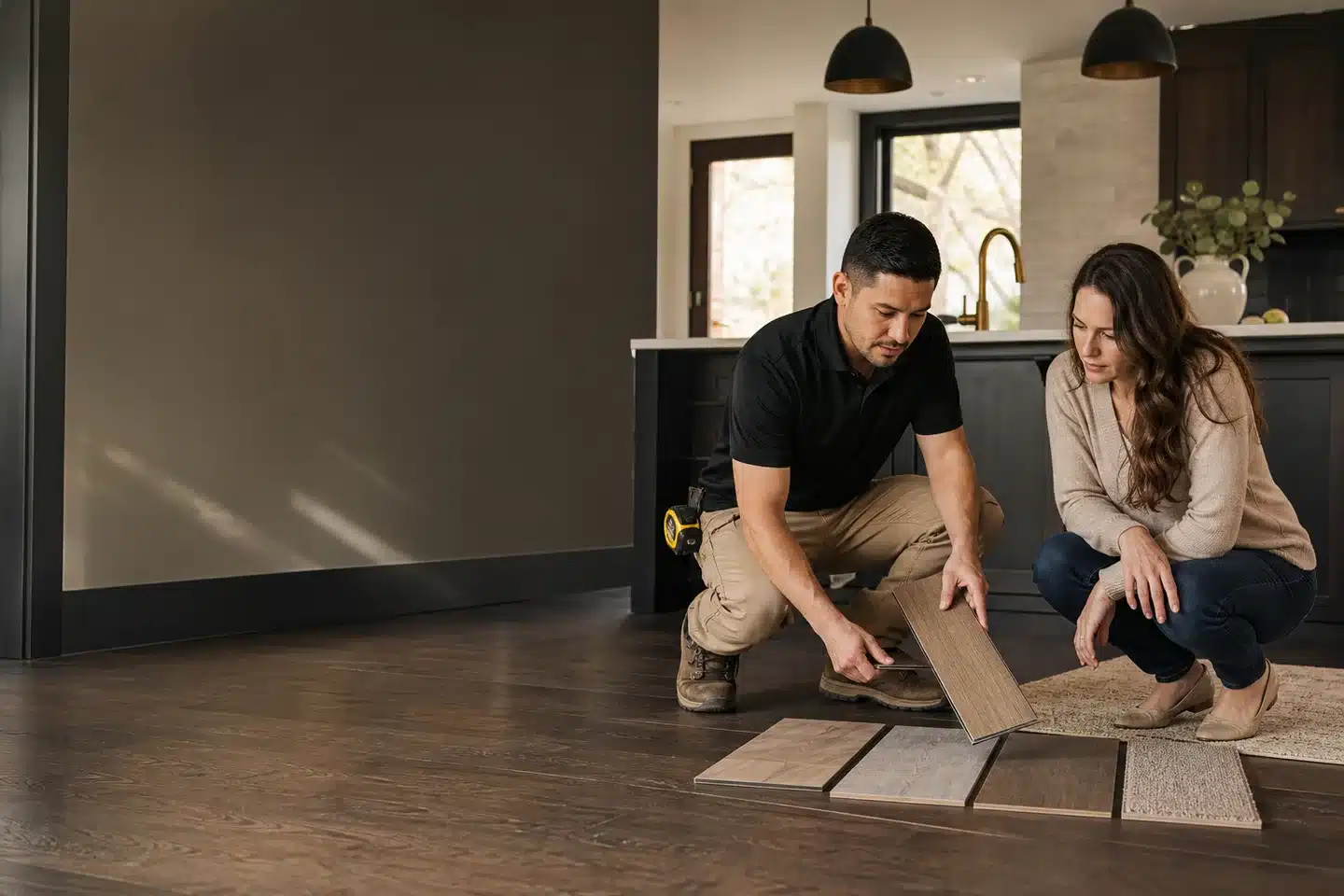
Searching for a flooring installer in Austin TX usually means you already have a project in mind and need clear next steps, not a generic sales pitch. Austin Flooring Company can help homeowners, rental owners, builders with smaller scopes, and local business spaces compare installation options, define the work, and request a quote that reflects the real conditions in the room. The right installer looks at more than square footage. Existing flooring, slab flatness, moisture concerns, trim, door clearances, transitions, stairs, furniture, pets, and timing all affect the plan. Whether you are replacing worn carpet with LVP, refreshing a rental with laminate, planning hardwood for a living area, or trying to understand why one estimate is vague, this page explains what to ask before hiring. Use the quote request to share photos, room sizes, material preferences, and timing, or call the phone number on this page if you want to talk through the project first. A careful process up front helps avoid surprise add-ons, mismatched materials, and rushed installation decisions.
How this page is different: This page serves individual buyer intent: homeowners, landlords, and small businesses comparing one flooring installer, quote quality, prep expectations, and hiring red flags. It should not read like the broad installation services hub or the contractor/project-management page.
How to Choose a Flooring Installer in Austin TX

Choosing a flooring installer starts with matching the installer to the actual project, not just the material name. A good Austin TX flooring quote should ask about current flooring, subfloor type, room use, pets, moisture exposure, transitions, baseboards, and whether the property will be occupied during installation. For homes, the installer should explain how daily access, dust control, furniture movement, and cleanup will be handled. For rentals or small offices, timing and durability matter just as much as appearance. The best conversation is specific: what rooms are included, what floor is being removed, what product is being installed, what prep is excluded, and how change orders are handled. If an estimate skips inspection details or uses a single line item for everything, compare carefully. You want someone who can translate photos, measurements, and site conditions into a scope you can understand before work begins.
- Ask how subfloor issues are identified before installation.
- Confirm who supplies materials, trims, transitions, and underlayment.
- Request a written scope that separates labor, prep, removal, and extras.
Flooring Installer for Homes Rentals Builders and Businesses

A flooring installer may be hired by a homeowner replacing a living room floor, a landlord turning a unit, a builder finishing a punch-list item, or a small business updating a customer-facing space. Each buyer needs a different installation conversation. Homeowners often care about comfort, appearance, noise, room flow, and how the floor looks against cabinets, doors, and stairs. Rental owners usually need durable surfaces, practical color choices, fast scheduling, and clear repair expectations. Builders may need coordination around paint, trim, cabinets, and final walkthrough timing. Small businesses need a plan that limits downtime and keeps transitions safe for staff and customers. This page should guide those individual searchers toward the right questions and quote details. It is not a general catalog of every service; it is a practical hiring page for people deciding who should install the floor and what the installer should include.
- Homes: comfort, finish details, and room-to-room appearance.
- Rentals: durability, turnover timing, and replacement efficiency.
- Businesses: access planning, cleanup, and trip-safe transitions.
Questions to Ask Before Hiring a Flooring Installer

Before hiring a flooring installer, ask questions that reveal how the work will actually be handled. Start with the existing floor: will it be removed, installed over, or evaluated first? Ask whether the quote includes floor prep, patching, leveling, underlayment, moisture checks where appropriate, trim removal, quarter round, transitions, door trimming, disposal, and cleanup. If you already purchased material, ask whether enough extra product is available for cuts, waste, closets, and future repairs. If the installer is supplying material, ask for product details, not just a style name. For occupied homes, ask how rooms will be staged and whether furniture movement is included. For rental or business work, ask how scheduling windows and access are handled. These questions protect both sides. They help the installer price accurately and help you compare quotes based on scope instead of guessing why one number is lower.
- What is included in the written quote?
- What could change the price after work begins?
- Who is responsible for materials, access, and cleanup?
Installer Scope Materials Prep Trim and Transitions

Flooring installation scope should be broken into visible parts so the quote is easy to compare. Materials include the main floor, matching trim pieces, reducers, stair noses, underlayment, adhesives, moisture barriers, and transition strips. Prep may include removing old flooring, scraping adhesive residue, checking slab flatness, patching low spots, addressing squeaks, or correcting minor height changes. Trim work can involve removing and reinstalling baseboards, adding quarter round, or planning around cabinets and door casings. Transitions are especially important in Austin TX homes where tile, concrete, carpet, and wood surfaces often meet at different heights. A precise installer quote explains what will happen at each doorway, hallway, closet, and exterior threshold. When these details are missing, the job can still be installed, but the finish may feel improvised. Better scope notes create fewer surprises and a cleaner final walkthrough.
- Materials: floor, trim, underlayment, adhesives, and transition parts.
- Prep: removal, scraping, patching, leveling, and moisture concerns.
- Finish: baseboards, thresholds, door clearance, and cleanup.
Flooring Installer Red Flags and Quote Mistakes

Red flags usually appear before installation starts. Be cautious with quotes that do not identify the rooms, material type, removal method, subfloor condition, transitions, trim plan, or what happens if hidden damage is found. A low price can be legitimate, but it should still explain the scope. Another warning sign is an installer who ignores manufacturer requirements, especially for floating floors, glue-down products, underlayment, expansion gaps, or moisture-sensitive materials. Photos alone can help with a preliminary estimate, but they should not replace basic questions about slab condition, old adhesive, floor height, and room use. Quote mistakes also happen when buyers undercount closets, waste factor, stairs, angled cuts, or transitions. A better approach is to share more information early, request a clear line-item scope, and compare how each installer handles prep and finish details, not just the total number at the bottom.
- Vague one-line estimates with no prep assumptions.
- No discussion of transitions, trim, or subfloor conditions.
- Pressure to choose before product and room details are clear.
Austin TX Subfloor Conditions That Affect Flooring Installation
Many Austin TX flooring projects involve concrete slabs, older adhesive residue, previous tile areas, patched rooms, or height changes between additions and original construction. Those conditions affect how the floor performs after installation. LVP and laminate can separate or click if the floor has humps and dips beyond product tolerance. Sheet vinyl can telegraph roughness. Glue-down products may fail if residue, dust, moisture, or incompatible compounds remain on the slab. Hardwood and engineered wood require additional planning around moisture, acclimation, and installation method. The installer should explain what is visible before work starts and what can only be confirmed after removal. Not every floor needs major leveling, but every quote should acknowledge the possibility. Subfloor planning is not a scare tactic; it is the difference between a floor that looks good on day one and one that continues to perform after furniture, traffic, and seasonal conditions are involved.
- Concrete slabs may need scraping, patching, or flatness correction.
- Old adhesive can affect glue-down and resilient flooring systems.
- Height changes need planned reducers or transition pieces.
Flooring Materials Wholesale Pricing Bulk Deals and Supply Options

Material planning can be handled several ways. Some customers already have flooring and only need installation. Others want help comparing product types, wear layers, plank thickness, finish colors, underlayment needs, or bulk order options. The important part is making sure the material fits the room, the subfloor, and the installation method. For a single home project, ordering enough extra material matters because dye lots, discontinued colors, and future repairs can become a problem. For rentals, builders, or small business updates, bulk pricing and repeatable product choices may reduce headaches across multiple rooms or units. A flooring installer should not push a product without explaining its limits. Ask how much overage is needed, what trims are compatible, how delivery timing affects scheduling, and whether the quoted material includes accessories. Good supply planning keeps the installation from stopping because one reducer, stair nose, adhesive, or box of planks is missing.
- Confirm product, color, thickness, wear layer, and installation method.
- Include trims, transitions, adhesive, and underlayment in the plan.
- Order realistic overage for cuts, closets, layout, and future repairs.
Looking for a Flooring Installer Near Me in Austin TX

Near-me searches are useful when you need a flooring installer who understands local property conditions and can communicate quickly about scope. In Austin TX, that can mean slab foundations, remodels with mixed flooring heights, rental turnovers, pet-friendly material choices, and occupied homes where rooms must be staged carefully. A local quote should still be specific. Share the property type, neighborhood or general service area, photos of each room, approximate square footage, current floor, desired material, timing, and any access limits. If you are comparing installers, ask whether they handle the kind of work you actually need: one-room replacement, whole-home installation, rental refresh, builder punch list, or small office update. The goal is not to stuff the page with city phrases. The goal is to help Austin TX customers decide whether the installer is a practical match for the project before requesting a quote.
- Send room photos and a short description of the current floor.
- Mention stairs, closets, transitions, and furniture needs early.
- Ask about service fit before comparing only by price.
Request a Flooring Installer Quote in Austin TX
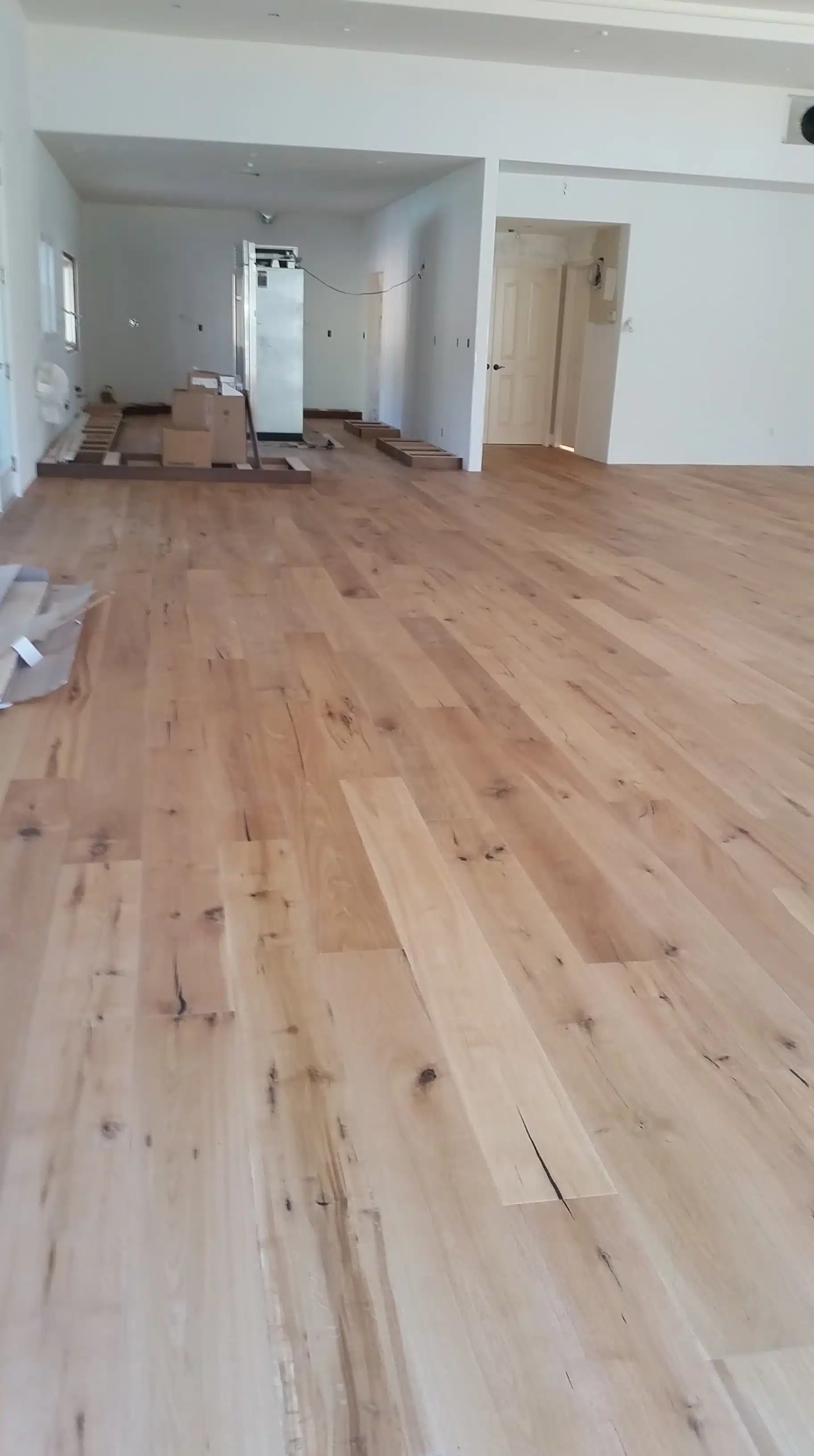
A strong quote request gives the installer enough information to respond with useful next steps. Include the rooms involved, approximate square footage, current flooring, desired material, whether product is already purchased, photos from multiple angles, timing goals, and any concerns about moisture, pets, tenants, business hours, or furniture. If you are unsure which material fits the space, say so. The quote conversation can compare LVP, laminate, hardwood, engineered wood, vinyl, tile, or carpet based on how the rooms are used. If you need a faster answer, call the phone number on this page and use the form to send photos afterward. The first response should help clarify scope, not pressure you into a vague appointment. For best results, ask for labor, material, prep, removal, trim, transitions, and cleanup to be separated or clearly described so you know what the flooring installer is pricing.
- Best photos: full room, close-up of current floor, transitions, and problem spots.
- Best measurements: room lengths, widths, closets, stairs, and hallways.
- Best timing notes: move-in dates, tenant access, business hours, and deadlines.
Flooring Installer Hiring Red Flags and Green Flags
| Question | Strong answer | Risky answer |
|---|---|---|
| Subfloor and prep | Explains flatness, moisture, removal, and transition checks | Quotes only a square-foot number |
| Material fit | Asks about product, room use, pets, rentals, or business traffic | Treats every material the same |
| Scope | Separates labor, removal, prep, trim, transitions, and cleanup | Leaves exclusions unclear |
Flooring Installer Quote Checklist
- Room list and approximate square footage
- Photos of current flooring, subfloor concerns, transitions, stairs, closets, and exterior doors
- Material preference, product name, or decision questions
- Removal, disposal, furniture, trim, and access expectations
- Timing, deadline, property type, and whether the space is occupied or operating
Installer Review and Scope Process
- Scope review: Confirm rooms, material, use case, current floor, access, and timing before treating the quote as final.
- Prep review: Separate visible conditions from items that may require on-site inspection after removal.
- Installation plan: Document transitions, trim, product requirements, cleanup, and change-order handling.
- Closeout: Review visible finish details, care guidance, and spare material recommendations.
Flooring Installer in Austin TX FAQs
How do I choose the right flooring installer in Austin TX?
Choose a flooring installer by comparing scope clarity, not just price. Ask whether the quote includes removal, subfloor prep, underlayment, trim, transitions, cleanup, and material accessories. Share photos and room details, then notice whether the installer asks practical follow-up questions. A good fit should explain product limits, prep risks, and what could change after old flooring is removed. If two quotes look very different, compare what each one includes before assuming the lower number is the better deal. The FTC’s home-improvement guidance can also help you compare written estimates, deposits, and project terms before hiring.
What information should I send for a flooring installation quote?
Send the property type, room list, approximate square footage, current flooring, desired material, photos, timing goals, and whether the home or business will be occupied. Include doorways, transitions, closets, stairs, damaged areas, and any known slab or moisture concerns. If you already bought flooring, include the brand, product line, quantity, and accessory pieces. These details help the installer identify missing scope items before work starts and can reduce delays caused by incomplete material orders.
Can a flooring installer work with materials I already purchased?
Often yes, but the installer needs to review the product, quantity, installation method, and required accessories before confirming the scope. Some materials need specific underlayment, adhesive, moisture barriers, trims, or expansion spacing. The installer should also check whether you have enough extra material for cuts, closets, layout waste, and future repairs. If the product is damaged, discontinued, or unsuitable for the room, that should be discussed before scheduling instead of discovered during installation.
Why do flooring installer quotes vary so much?
Quotes vary because installers may include different levels of prep, removal, trim work, transitions, furniture movement, disposal, and cleanup. One estimate might assume the subfloor is ready, while another includes scraping adhesive, patching low areas, or handling baseboards. Material accessories can also change the price. Instead of comparing only totals, ask each installer to define what is included, what is excluded, and what conditions could create an added charge after the old floor is removed.
Does every Austin TX floor need leveling before installation?
No. Some floors are flat enough for the selected product, while others need scraping, patching, grinding, or leveling compounds. The need depends on the material, manufacturer tolerance, subfloor condition, and visible humps or dips. Floating LVP and laminate are especially sensitive to uneven surfaces because movement can stress locking joints. Sheet goods may show roughness through the surface. A flooring installer should explain likely prep needs and note what can only be confirmed after removal. The USDA Forest Products Laboratory’s Wood Handbook is a useful background read for understanding wood movement, moisture, and product performance.
Should I remove old flooring before the installer arrives?
Ask before removing anything. In some projects, professional removal is part of the scope because the installer needs to manage adhesive residue, dust, disposal, baseboards, or hidden floor damage. In other cases, a customer can remove carpet or loose materials to reduce labor. The risk is that early removal may expose conditions that still need professional prep. If you want to do part of the work yourself, clarify timing, cleanup standards, and what condition the subfloor must be in.
What red flags should I watch for before hiring an installer?
Watch for vague quotes, pressure to decide quickly, no discussion of subfloor conditions, unclear material details, and missing transition or trim planning. Another concern is when an installer treats all products the same even though laminate, LVP, vinyl, hardwood, and engineered wood have different requirements. A serious installer should be willing to explain what is included and what could change. If the answer to every technical question is simply no problem, slow down and ask for specifics. NALFA’s laminate flooring resources are a useful background read when comparing wear layers, underlayment, and room suitability.
Can flooring installation happen while I live in the home?
Yes, many flooring projects happen in occupied homes, but staging needs to be planned. Ask how rooms will be sequenced, where furniture will go, whether baseboards or appliances are involved, and how dust, noise, pets, and access will be handled. Whole-home projects may need phases so bedrooms, kitchens, or exits remain usable. The installer should explain realistic disruption before scheduling. For faster work, clear small items, confirm parking or access, and keep children or pets away from work areas.
Which flooring material is easiest for rental turnovers?
Many rental owners consider LVP or laminate because they can balance cost, appearance, and replacement speed, but the best choice depends on moisture exposure, tenant use, subfloor condition, and repair expectations. Sheet vinyl can work in certain utility spaces, while tile may fit wet areas. The installer should help compare durability, price, transition needs, and product availability. For rentals, it is smart to choose repeatable materials that can be sourced again if one unit or room needs repair later.
How do I compare a flooring installer page with a contractor page?
An installer page usually fits individual hiring intent: one home, rental, room set, or small business space where you need labor, materials, prep, and finish details. A contractor page fits larger coordination needs such as commercial suites, builders, multifamily portfolios, bids, phasing, and material procurement across a broader scope. If your main question is who should install your floor and what to ask before hiring, start here. If you need project management across multiple spaces, compare contractor options.
What should I ask before hiring a flooring installer?
Ask about material fit, subfloor prep, transitions, removal, disposal, trim, schedule, cleanup, warranty terms, and what is excluded from the quote.
Can a flooring installer help if I have not chosen material yet?
Yes. Austin Flooring Company can help compare material paths by room use, maintenance, budget, appearance, durability, and installation requirements.
Why does subfloor prep matter for installers?
Subfloor prep affects how flat, stable, quiet, and durable the finished floor will be. Skipping prep can lead to gaps, movement, unevenness, or early wear.
Do flooring installers handle transitions and trim?
Transitions and trim should be discussed during quoting because they affect finished appearance, height changes, door clearances, and the final project scope.
What makes a flooring installer quote clearer?
A clear quote separates material, labor, removal, disposal, prep, transitions, trim, stairs, furniture, schedule, and any conditions that may require on-site confirmation.
Related Austin Flooring Company Services
Related Austin Flooring pages
These related pages may help with the next step in planning this flooring project.