

Laminate Flooring Installer Services in Austin TX
Laminate flooring installer services in Austin TX should start with the way the room will actually be used. Austin homes, rentals and light commercial rooms can have different needs for traffic, furniture movement, pets, turnover timing and product budget. Austin Flooring Company can review the room list, current floor, selected product and schedule before installation is planned. For more options, visit Texas Flooring Installers.
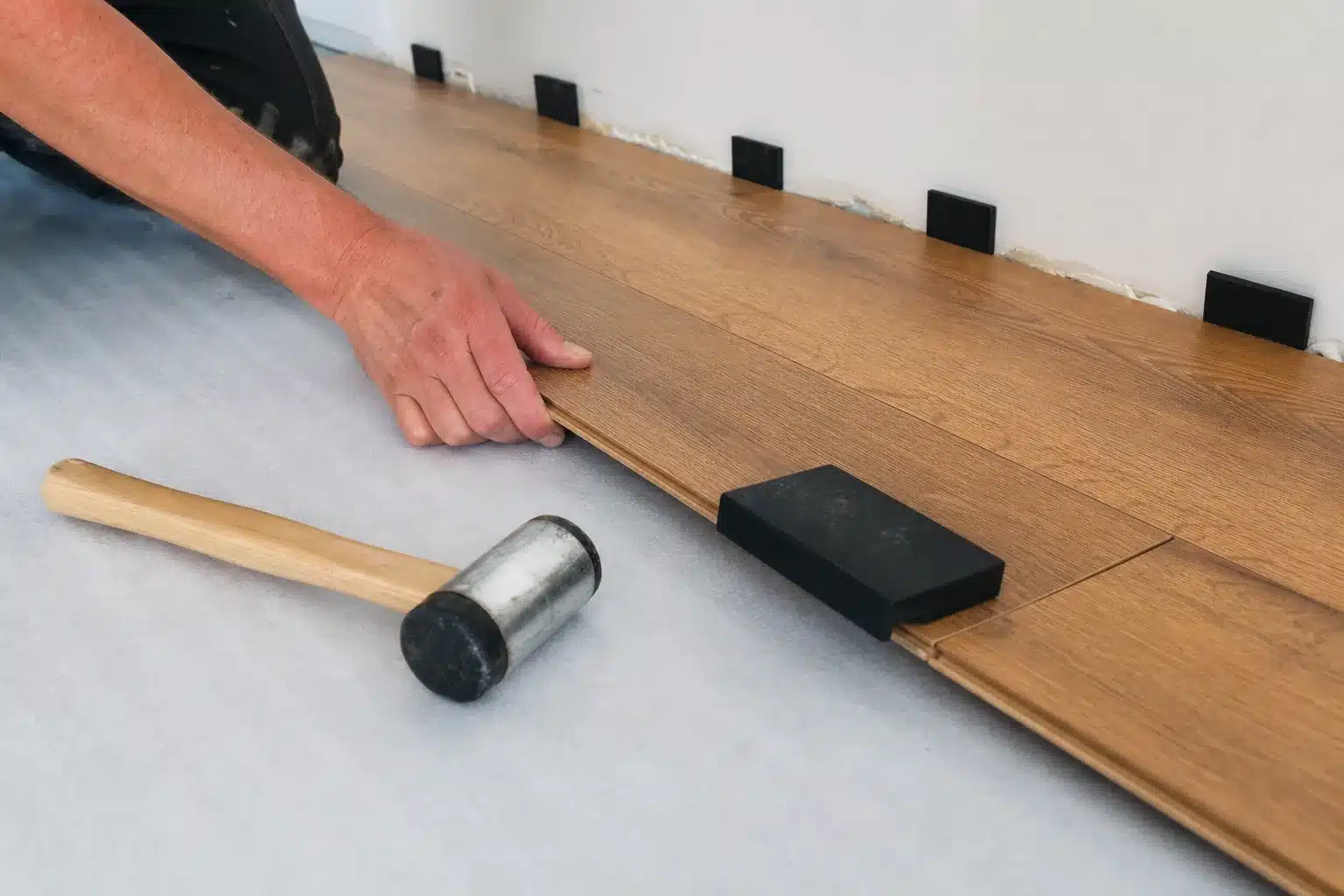
Laminate performs best when the existing slab or subfloor is flat enough, dry enough, and matched to the product instructions. A careful review helps avoid surprises with underlayment, transitions, trim, door clearance, or removal details. Call 512-551-0080 or request a flooring quote before work starts.
Laminate Flooring Installation Services in Austin TX
Laminate flooring installation services include more than clicking planks together. A good installation plan may include old flooring removal, surface review, underlayment selection, expansion spacing, transition planning, trim coordination, and final walkthrough details. For Austin TX remodels and rental turns, those steps help keep the project organized around access, timing and finished-room use.
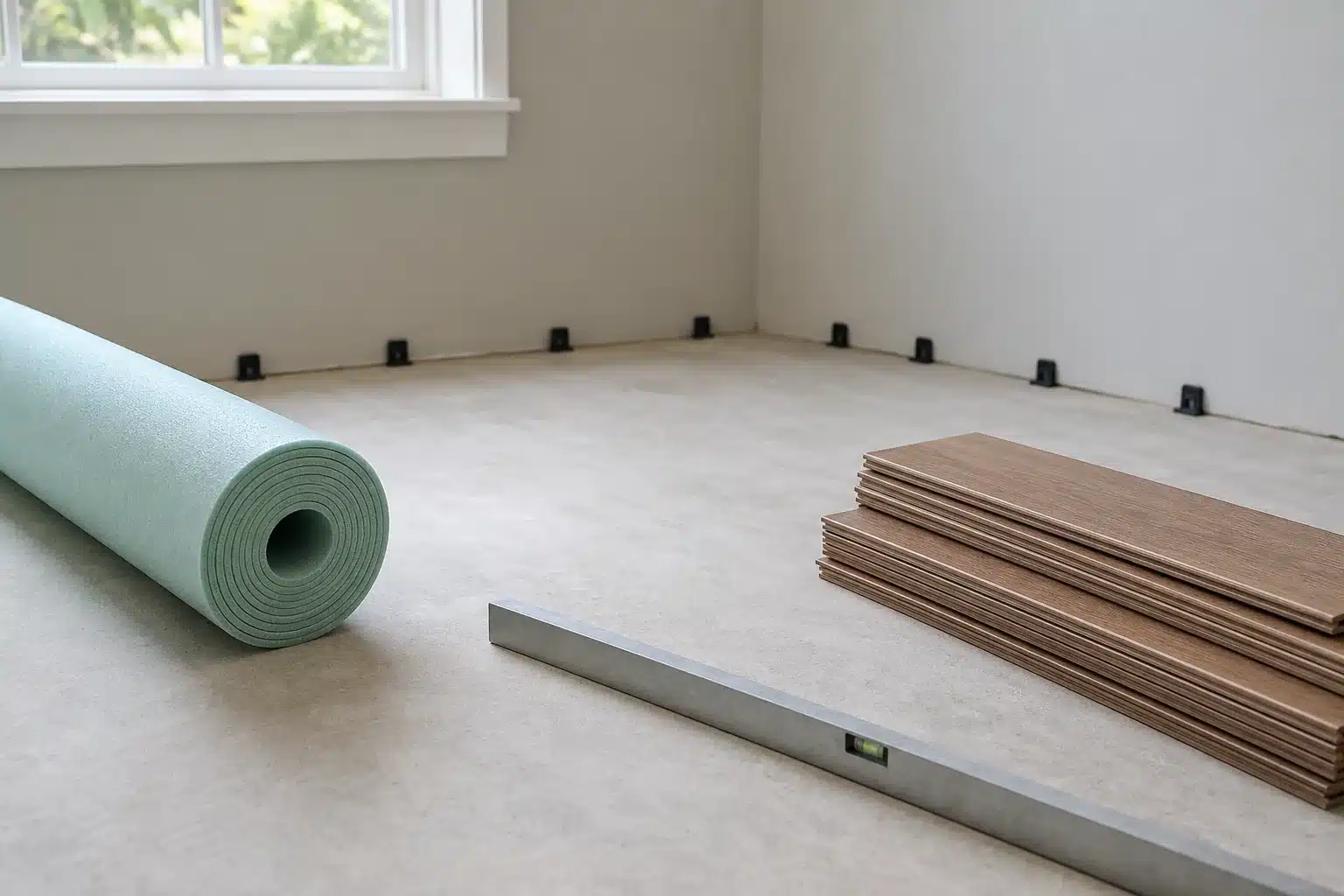
If you already have laminate materials, Austin Flooring Company can still help review the product, room conditions and manufacturer requirements before installation. If you have not chosen a product yet, Austin Flooring Company can help compare AC rating, plank thickness, underlayment needs, and whether laminate is the right material for that room.
Laminate Flooring Contractor for Homes Rentals and Businesses
A laminate flooring contractor for homes, rentals and businesses needs to think about durability, disruption and finish details. Homeowners may care about a clean wood-look update, landlords may need a practical rental refresh, and small businesses may need work scheduled around operating hours. The same material can require different planning depending on the property type.
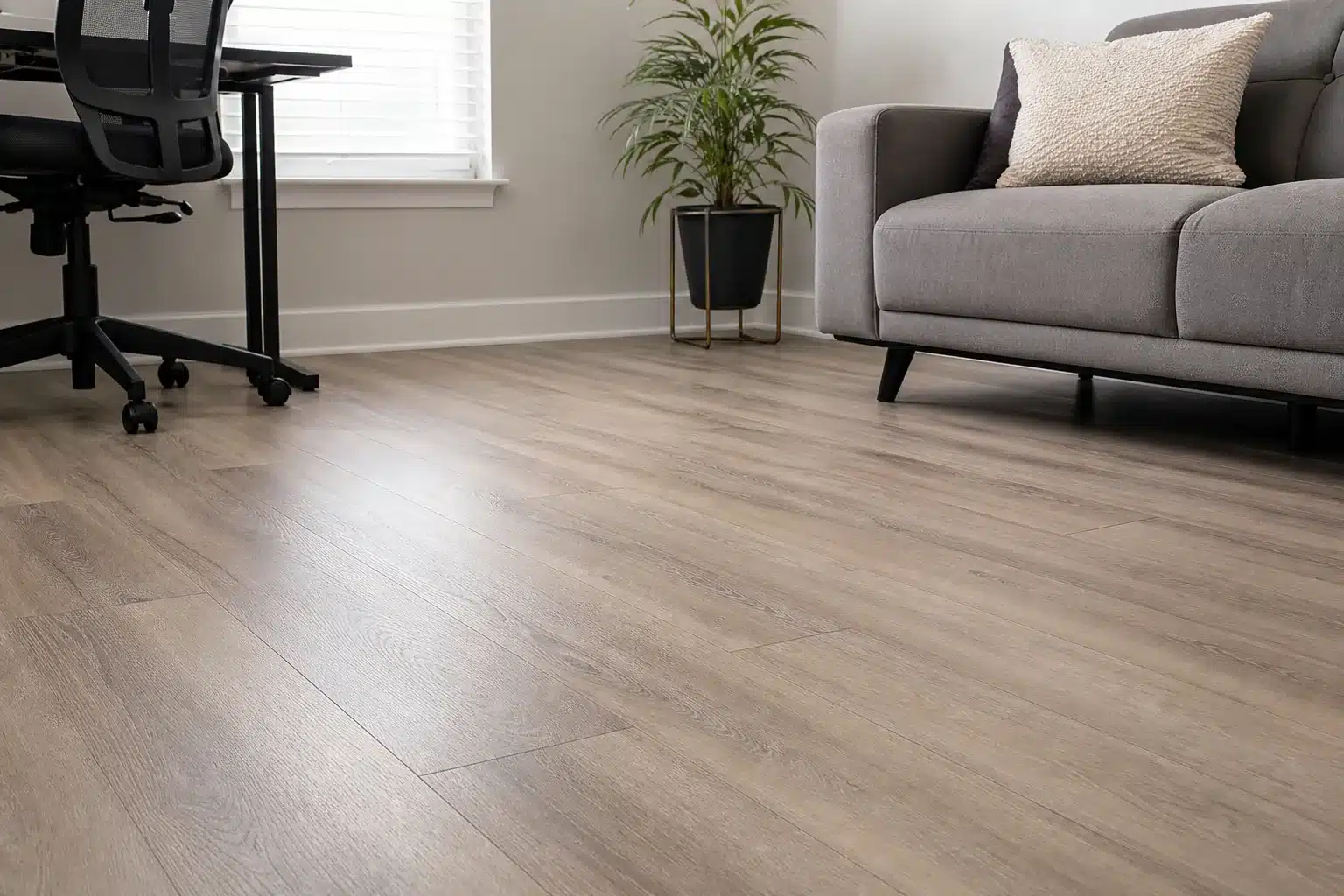
Austin Flooring Company uses the quote process to ask about room use, furniture, stairs, closets, transitions and occupied-space access. That gives the installer enough context to plan a laminate project that fits the property instead of treating every room the same.
Floor Prep Leveling and Subfloor Review Before Installation
Floor prep, leveling and subfloor review are important before laminate installation because floating floors can telegraph dips, humps or loose areas. In Austin TX, many projects involve concrete slabs, older remodel layers, carpet removal or transitions into tile, wood, vinyl or hallway areas. The installer should know what is under the existing floor before promising a final schedule.

A prep review can look at flatness, moisture concerns, underlayment compatibility, door clearance and transition heights. Austin Flooring Company does not need to invent job facts to give useful guidance; photos, room measurements and known floor conditions are enough to start a more accurate quote.
Flooring Materials Wholesale Pricing Bulk Deals and Supply Options
Flooring materials, wholesale pricing, bulk deals and supply options can matter when the project involves multiple rooms, rentals, builder work or a budget-sensitive refresh. Laminate varies by wear rating, core, water resistance, plank size, pad requirements and warranty rules. A lower material price is not always a better finished project if the product is not suitable for the room. You can also compare broader options in types of flooring materials for Austin homes.

Austin Flooring Company can help compare owner-supplied laminate with available supply options and installation requirements. The goal is practical material sourcing, not fake product claims: choose a product that fits the property, traffic, room moisture level and installation instructions.
Looking for a Flooring Installer Near Me in Austin TX
People searching for a flooring installer near me in Austin TX usually need quick clarity: who installs the material, whether the room is suitable and what details are needed for a quote. Austin Flooring Company helps homeowners, rentals, property managers, and businesses move from a flooring search to a practical installation plan.

To move from search to scheduling, share room photos, approximate dimensions, current flooring, material choice if known and the timeline. Austin Flooring Company can then explain the likely next step instead of forcing a generic estimate.
Residential Flooring Services for Austin TX Property Owners
Residential flooring services for Austin TX property owners should balance appearance, maintenance and material fit. Laminate can be a good choice for dry bedrooms, living rooms, upstairs areas, home offices and certain rental updates when the selected product matches the floor condition and traffic level.
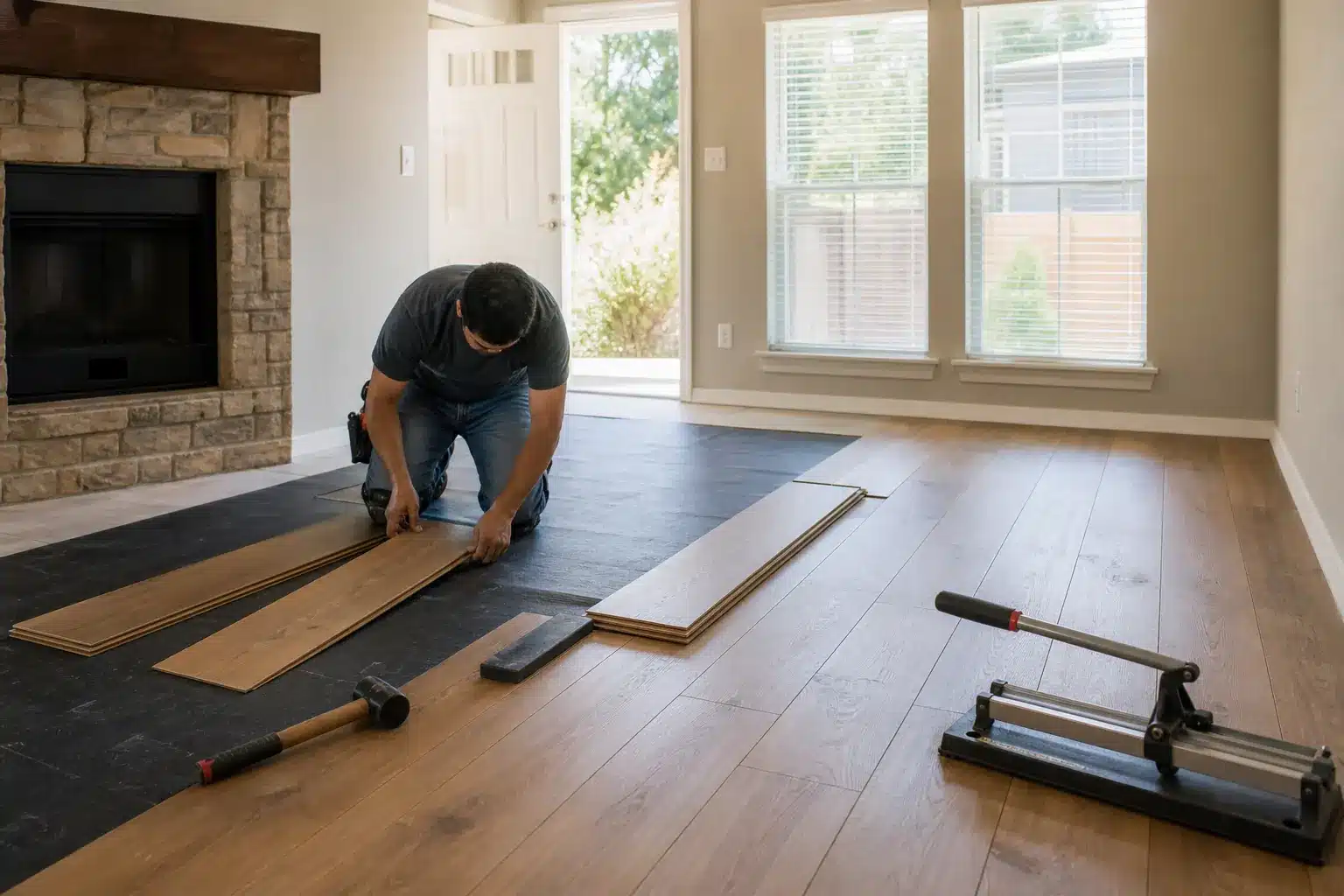
For homeowners and landlords, the quote should also account for baseboards, trim, closets, transitions, furniture, stairs and whether the home will be occupied during the work. Those practical details help the quote reflect real flooring decisions instead of a generic square-foot estimate.
Commercial Flooring Services for Austin TX Businesses
Commercial flooring services for Austin TX businesses can include offices, small retail areas, managed properties and light-use spaces where laminate is appropriate. Scheduling, access, traffic level, chair movement and clean transitions matter more in business spaces because downtime and durability both affect the project value.
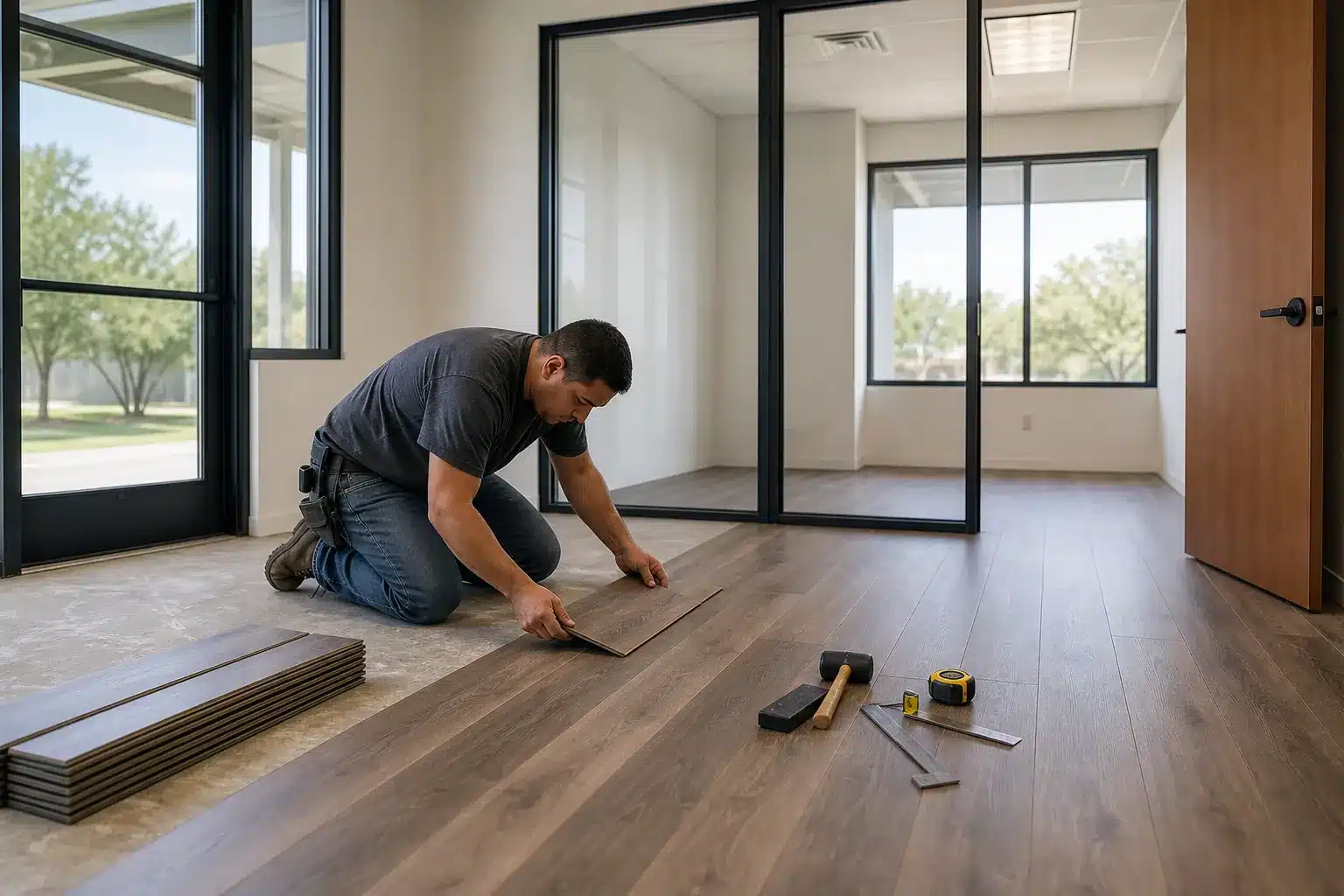
Austin Flooring Company can help decide whether laminate is suitable or whether another material, such as LVP, tile or commercial vinyl, should be considered. That honest material fit helps prevent the wrong product from being chosen for the space. Related planning pages include Vinyl Flooring Installer in Austin TX, LVP Flooring Installer in Austin TX, Floor Replacement Contractor in Austin TX.
Our Installation Process Quality Checks and Scheduling
Our installation process, quality checks and scheduling start with the room details, material status and existing floor condition. From there, the work can cover prep, underlayment, layout direction, expansion gaps, transitions, trim coordination, and cleanup. Each project should have a clear expectation before the installer arrives. Repair-heavy situations can start with floor repair in Austin TX before a replacement or installation path is chosen.
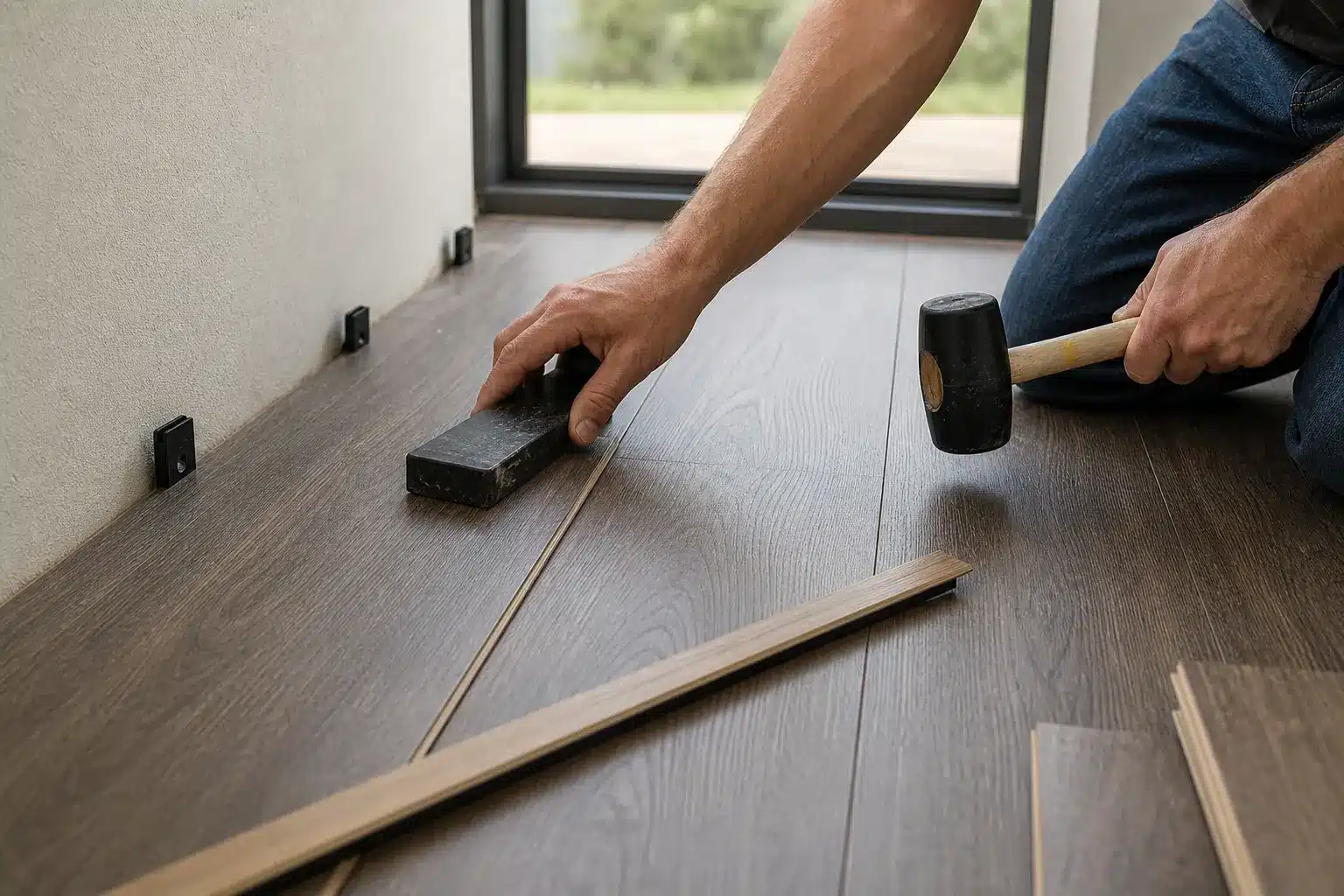
Quality checks can include checking plank fit, movement space, transitions and visible finish details during the final walkthrough. Call 512-551-0080 or request a flooring quote if you want the project reviewed before setting a date.
Request a Flooring Installation Quote in Austin TX
Request a flooring installation quote in Austin TX when you know the rooms, approximate size, material status and timeline. Photos of the current floor, transitions, closets, stairs, damage or uneven areas make the first conversation more useful. Austin Flooring Company can then help confirm whether laminate installation is the right next step.
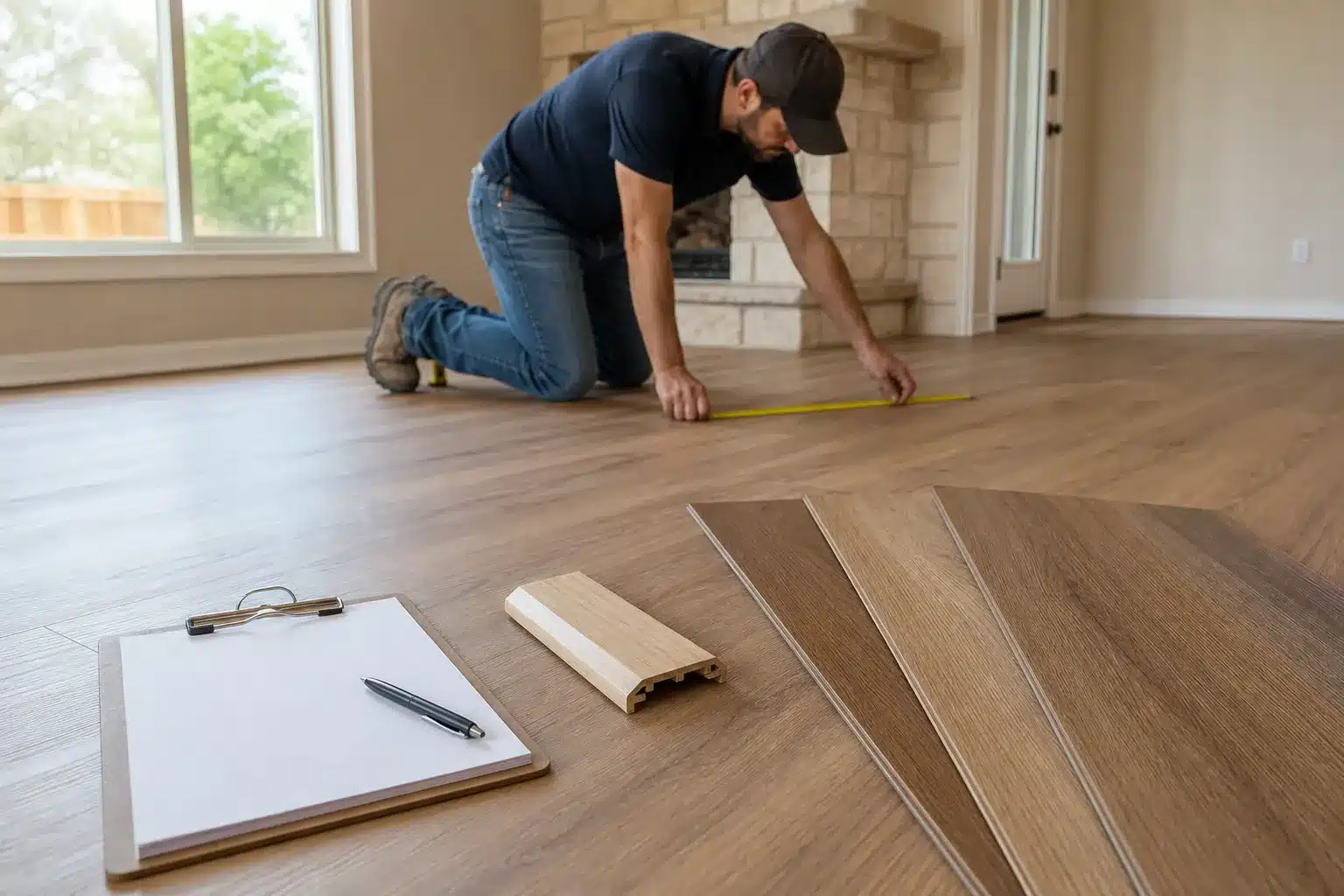
Call 512-551-0080 or request a flooring quote. Include the type of property, rooms, product name if selected, and any concerns about subfloor prep, removal, transitions, or schedule pressure so the quote reflects the real work. You can also use InstaQuote or contact Austin Flooring Company.
Related Austin TX Flooring Pages
Use these Austin Flooring Company pages for related installer services, repair help, product choices, and quote requests.
- Austin Flooring Company home
- Texas Flooring Installers
- request a flooring quote
- contact Austin Flooring Company
- floor repair in Austin TX
- Vinyl Flooring Installer in Austin TX
- LVP Flooring Installer in Austin TX
- Floor Replacement Contractor in Austin TX
- Austin Laminate Floor Repair Services
- Types of Flooring Materials for Austin Homes
Laminate Flooring Installer FAQs
How do I choose the right laminate flooring installer in Austin TX?
Choose a laminate flooring installer who asks about the room use, existing floor, subfloor flatness, underlayment, transitions, product instructions and schedule before quoting. In Austin TX, those details help determine whether laminate is a practical fit for the space. NALFA’s laminate flooring resources are a useful background read when comparing wear layers, underlayment, and room suitability.
What should I look for in flooring installation services near me in Austin TX?
Look for clear material guidance, prep review, quote details, scheduling expectations, and examples of how the installer handles homes, rentals, and business spaces. A good local flooring installation conversation should not be based on square footage alone. The FTC’s home-improvement guidance can also help you compare written estimates, deposits, and project terms before hiring.
Can Austin Flooring Company help provide both laminate flooring materials and installation?
Yes. Austin Flooring Company can discuss laminate materials and installation together, including owner-supplied products, sourcing options, underlayment needs and whether the selected laminate suits the room.
Is laminate flooring a good choice for homes and rentals in Austin TX?
Laminate can be a good choice for dry, climate-controlled homes, rentals, bedrooms, living rooms and offices when the product and floor condition match. It is not the best choice for every wet or moisture-prone area.
Do you offer floor leveling before installation in Austin TX?
Yes. Floor leveling and subfloor review can be part of the installation planning when photos or inspection show uneven surfaces, old flooring layers, slab issues or transition concerns. The USDA Forest Products Laboratory’s Wood Handbook is a useful background read for understanding wood movement, moisture, and product performance.
Can you help with commercial laminate flooring installation in Austin TX?
Yes. Commercial laminate flooring installation can be discussed for appropriate light commercial spaces, offices and managed properties where the material, traffic and maintenance expectations fit.
How long does a typical flooring installation take in Austin TX?
Timing depends on square footage, removal, prep, transitions, furniture, product availability and whether the property is occupied. A quote should explain the likely schedule after the room and floor conditions are reviewed.
Can you replace old flooring and install new materials in the same project?
Yes. Old flooring removal and new material installation can be part of the same project when disposal, prep, underlayment, transitions, and finish details are included.
Do you offer wholesale or bulk flooring pricing with installation?
Austin Flooring Company can discuss wholesale or bulk flooring pricing when the project size, material needs and installation plan make that relevant. The quote should still confirm product suitability.
How do I request a flooring installation quote in Austin TX?
Call 512-551-0080 or request a flooring quote. Share photos, room sizes, current flooring, product choice if known, property type and timeline.
How long does laminate flooring installation usually take in Austin homes?
Laminate installation timing depends on room size, furniture movement, removal, subfloor flatness, underlayment, transitions and product acclimation requirements. Many straightforward rooms move quickly once prep is complete.
What can affect the price of laminate flooring installation?
Price can vary based on floor removal, leveling, underlayment, trim, transitions, stairs, product instructions and the number of rooms. A detailed walkthrough helps separate material costs from prep and labor needs.
Can laminate flooring handle Austin humidity?
Laminate can work well in dry, climate-controlled spaces when the right product is chosen and installation instructions are followed. Moisture-prone areas need extra caution, and some spaces may be better suited for LVP or tile.
Do laminate floors need underlayment?
Many laminate products need underlayment for sound, comfort, moisture protection or manufacturer requirements. Some products include attached pad, but the existing subfloor and product instructions should still be checked.
What Austin areas do you serve for laminate flooring installation?
Austin Flooring Company can review laminate installation projects across Austin and nearby service areas. A quote request helps confirm the address, room details, product choice and available schedule.