Texas Flooring Installers
Stone Flooring Installer in Austin TX
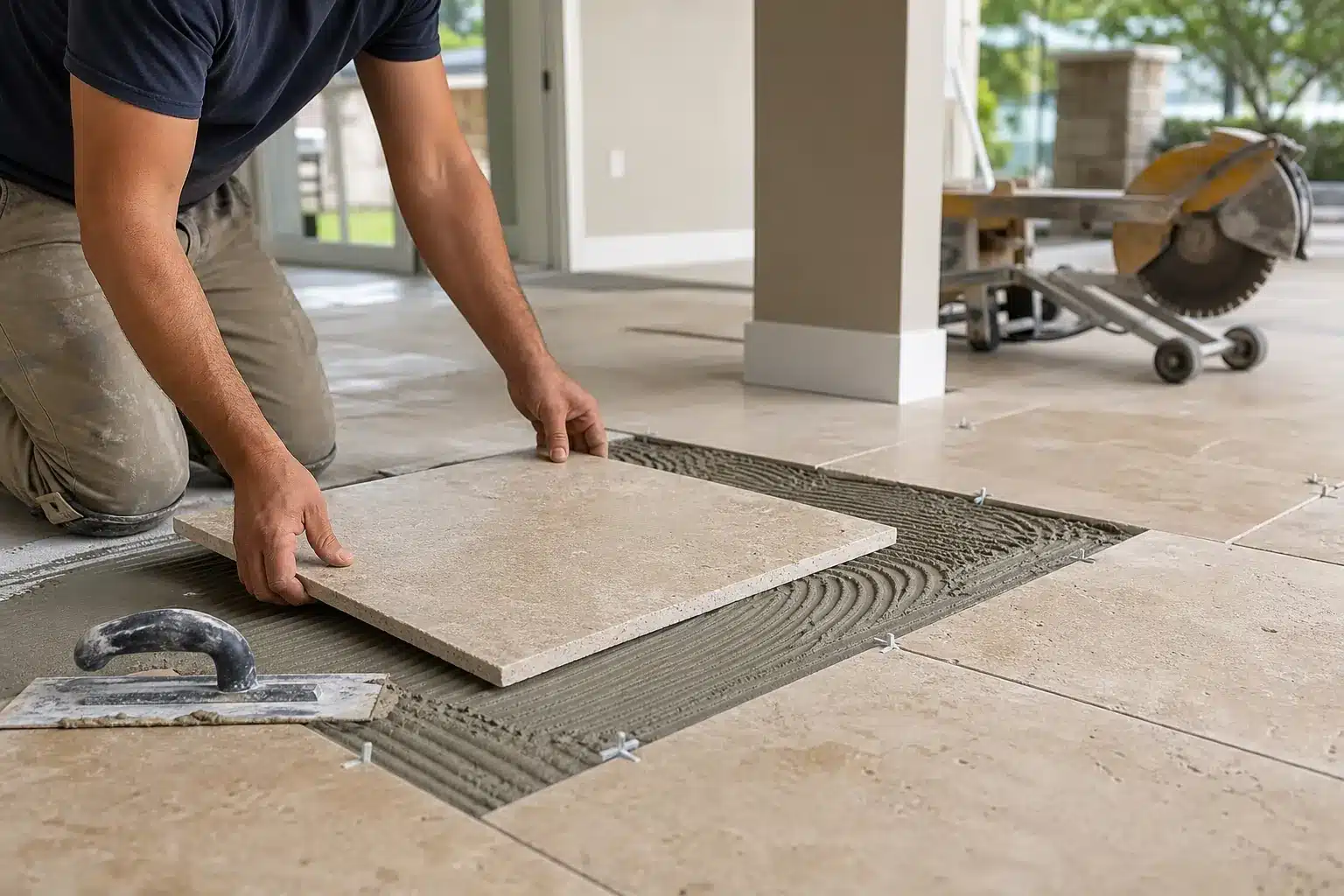
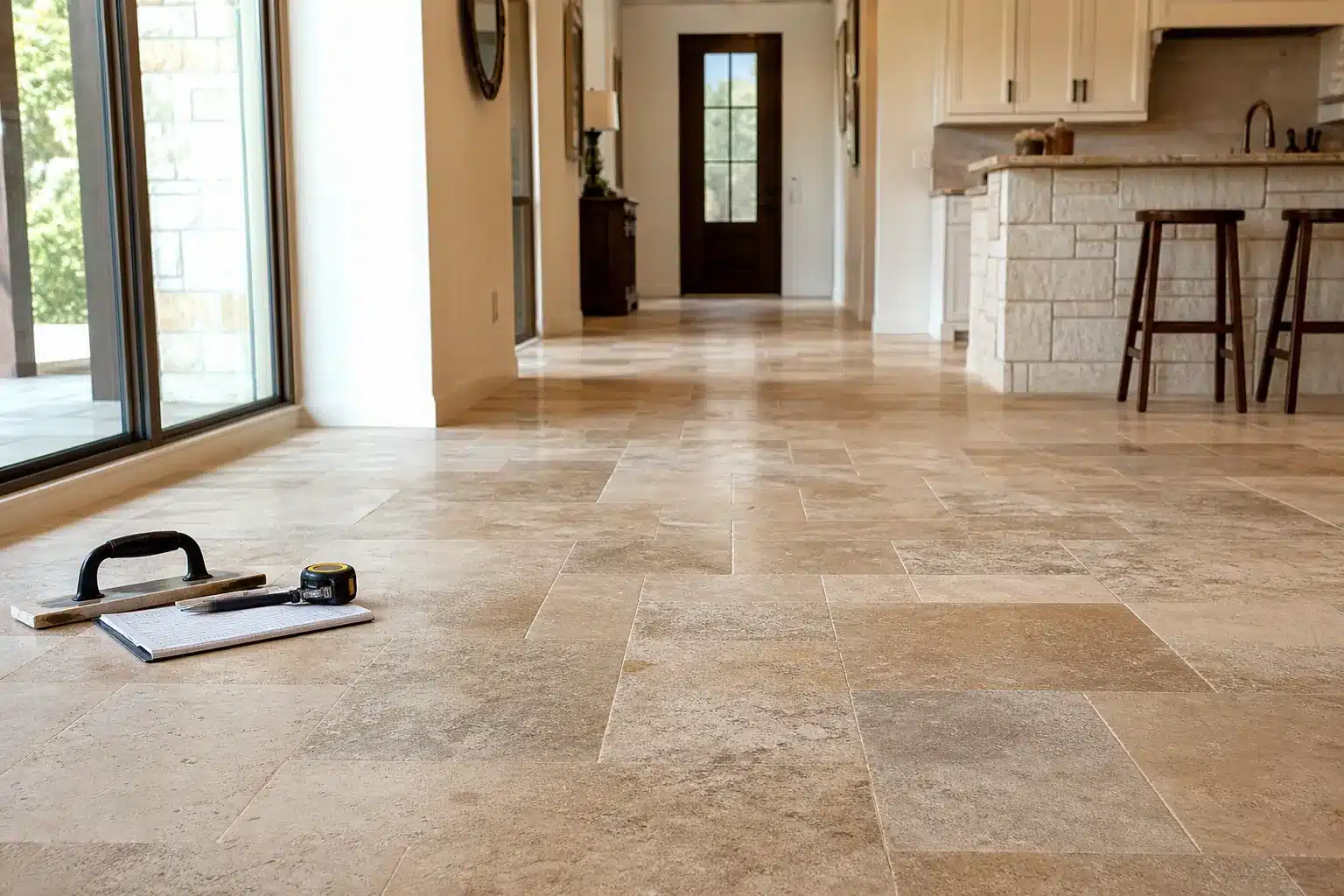
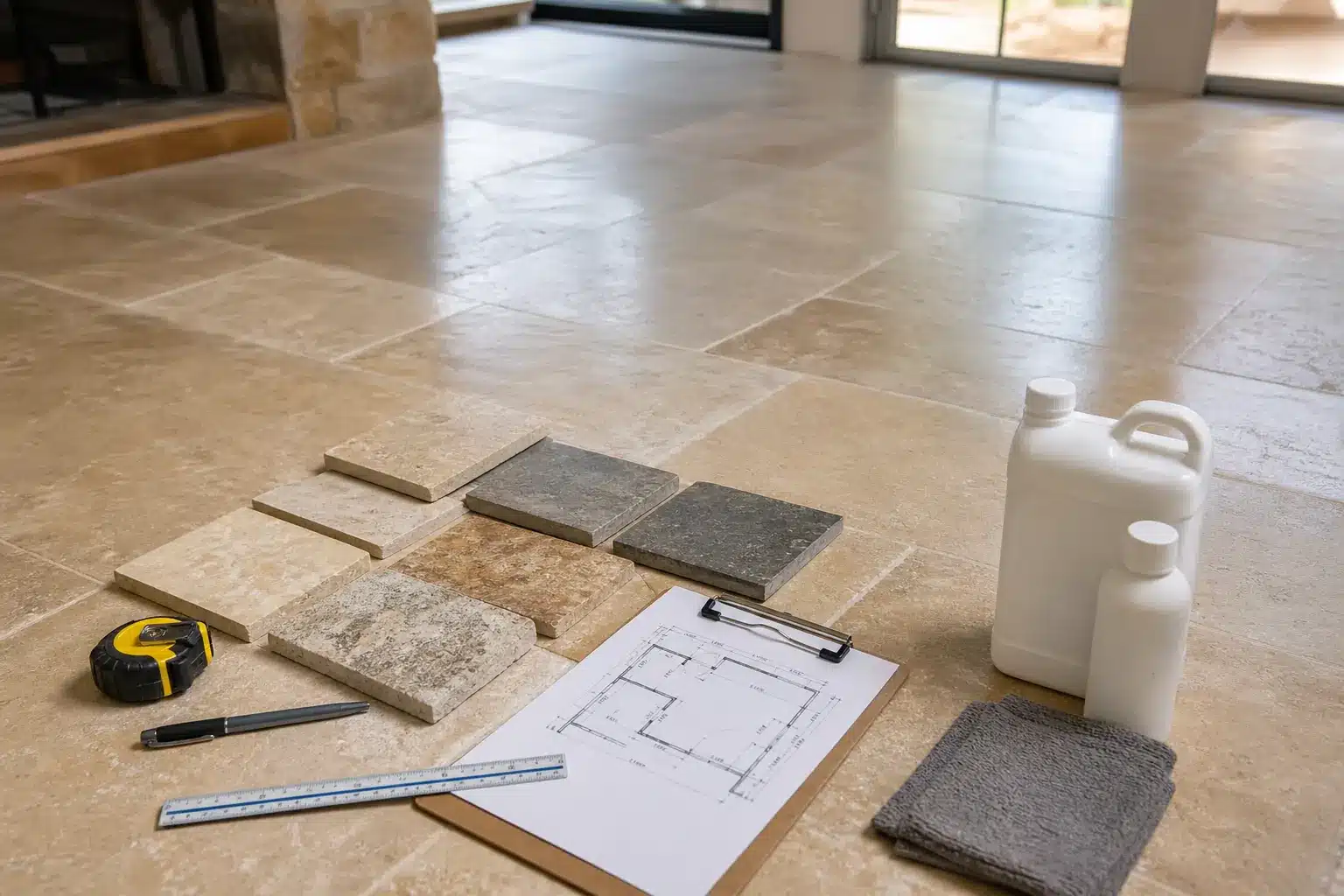
Austin Flooring Company installs stone flooring in Austin TX for homeowners, remodelers, designers, property managers and commercial owners who want a natural material with careful selection, layout and installation planning. Natural stone is different from ceramic or porcelain tile because each piece can vary in color, veining, texture, thickness, finish and maintenance needs. Marble, travertine, limestone, slate, granite and other suitable stone tiles can create a premium floor, but the finished result depends on support, flatness, dry layout, joint planning, mortar coverage, movement accommodation, sealing decisions and care expectations. Stone still needs material-specific care, and not every stone belongs in every room. Austin Flooring Company can review installation, repair, replacement or restoration decisions before material is ordered or work is scheduled. To start, share room photos, rough dimensions, selected stone details if available, slab or subfloor concerns and any cracked, loose, etched, stained or uneven areas before the material order is finalized.
- Licensed & Insured
- Locally Trusted
- Fast Estimates
- 5-Star Rated
Natural Stone Flooring Installation Services in Austin TX
Austin Flooring Company installs natural stone flooring as a material-specific project, not as a generic tile job with a different product name. Stone installation should account for natural variation, piece selection, substrate support, flatness, mortar coverage, joint planning, transitions and maintenance expectations. The quote should identify the stone type, finish, tile size, lot condition, room use and preparation needs before scheduling.
For Austin homes and commercial spaces, stone can be a strong choice when the property owner wants authentic variation and is prepared for stone-specific care. It may be less suitable where predictable color, low maintenance or wet-area simplicity is the priority. Request a scope-based stone flooring quote when selection, layout, support and long-term care need to be reviewed together.
Marble Travertine Limestone Slate and Granite Tile
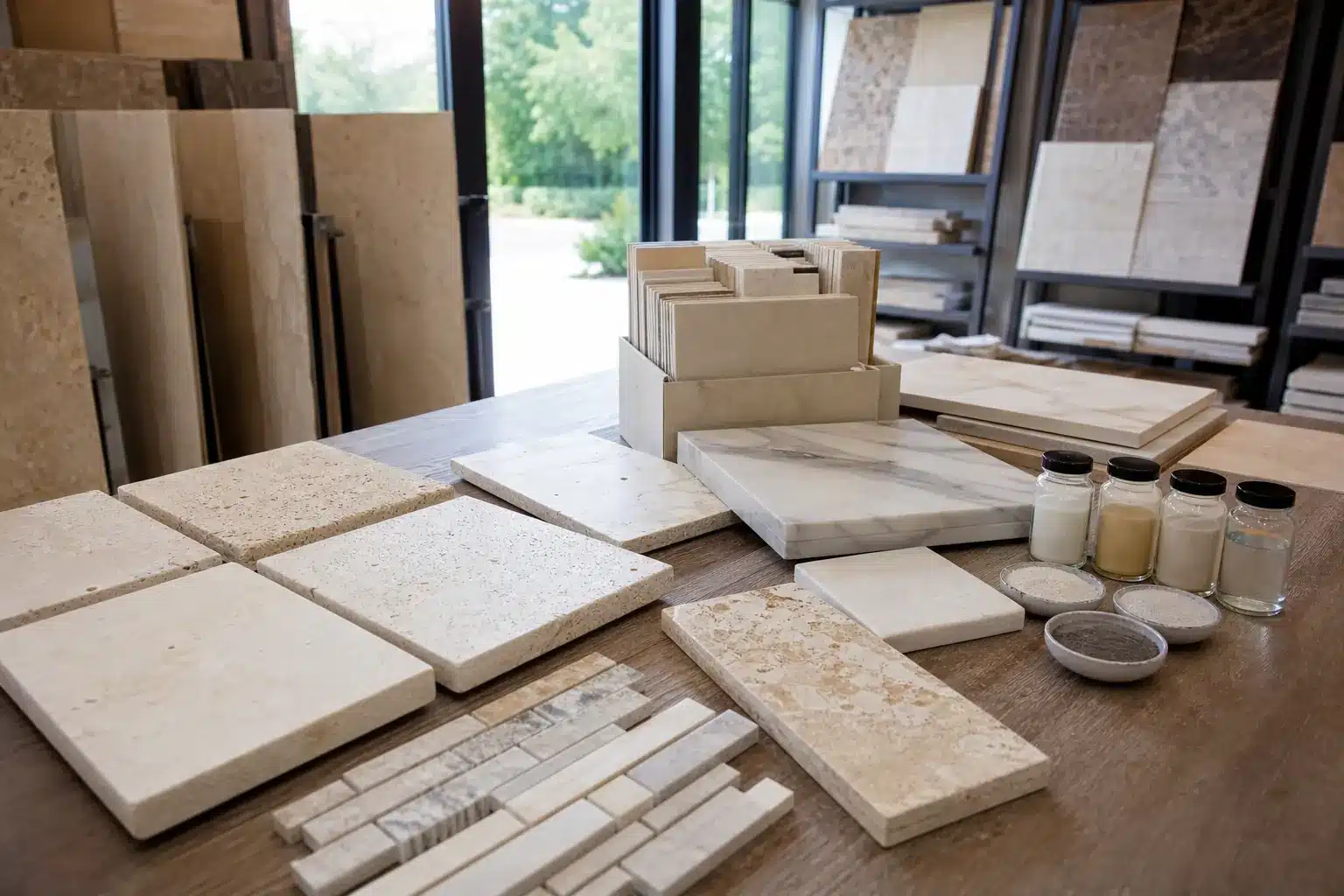
Marble, travertine, limestone, slate and granite tile each bring different appearance, texture and care considerations. Calcareous stones such as marble and limestone can be sensitive to acidic cleaners. Travertine may include filled or unfilled characteristics. Slate can vary in texture and thickness. Granite can offer a different performance profile, but product and finish still matter.
For an Austin entry, kitchen, living area or feature room, the decision should begin with how the space will be used and what maintenance the owner accepts. The practical rule is to choose stone by room fit, finish and care expectations, not just a sample’s appearance. Compare natural stone options before ordering material.
Dry Layout Veining Color Range and Piece Selection
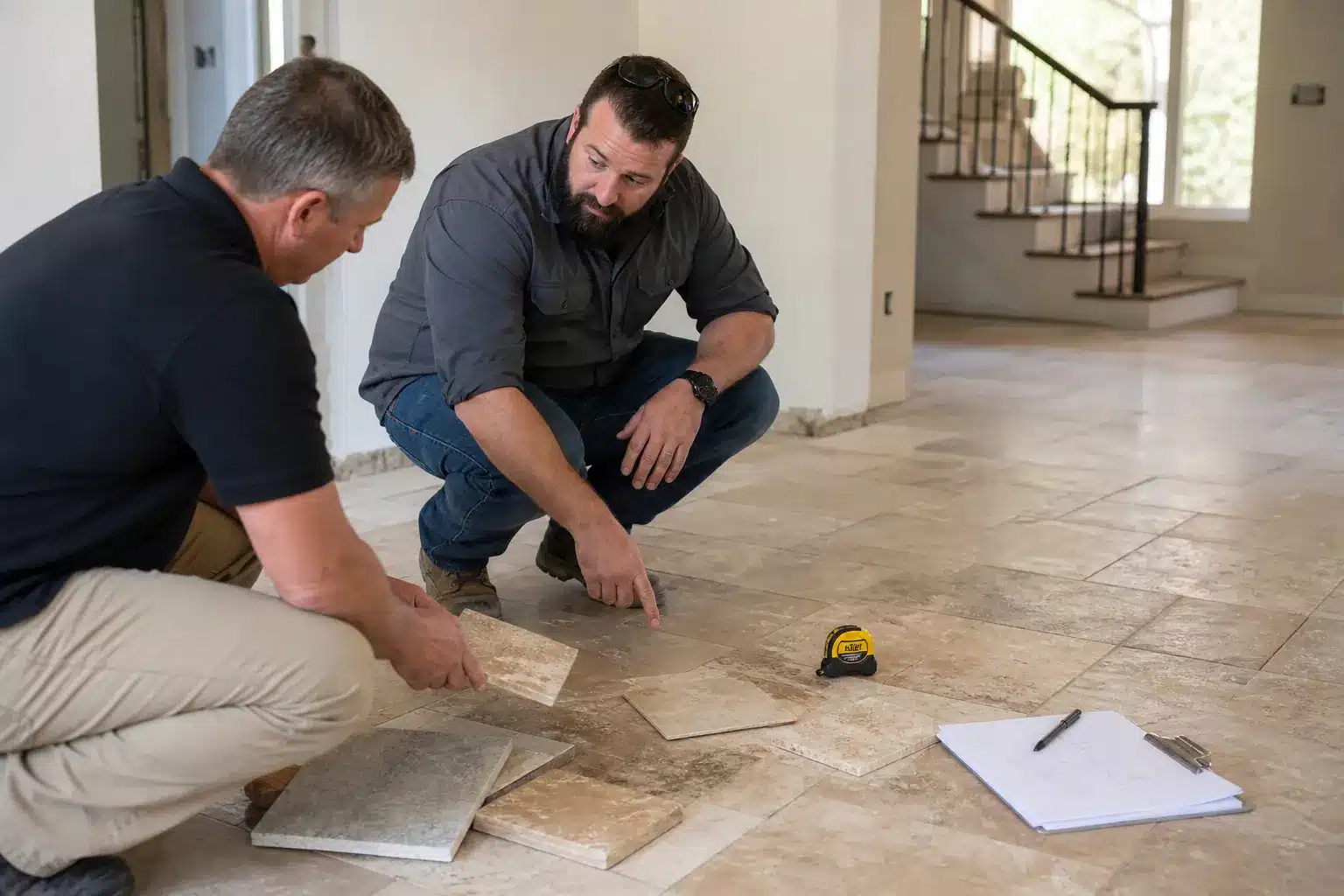
Dry layout, veining, color range and piece selection are central to natural stone flooring. Stone varies naturally, so cartons or crates should be reviewed for range before installation. Dry layout can help distribute veining, shade variation and distinctive pieces in a way that looks intentional. This is especially important in visible entries, living areas and feature spaces.
For a marble or travertine floor, a random installation without layout review can leave strong pieces clustered awkwardly. The practical next step is to review the lot, identify focal areas and discuss placement expectations before setting the stone. Plan the stone selection and installation before work begins.
Choosing Stone Flooring by Room and Property Use
Choosing stone flooring by room and property use helps avoid forcing a premium material into the wrong setting. Stone can work beautifully in entries, living areas, kitchens, feature spaces and selected commercial areas when support, finish, traffic and maintenance expectations align. Wet areas, high-scratch settings or spaces with harsh cleaners require extra care in material and finish selection.
Austin properties may include concrete slabs, occupied remodels, mixed flooring transitions and design-led material choices. The quote should reflect the room, the stone, the support below and the owner’s care expectations. Review stone fit by room before choosing based only on color or prestige.
Entries Living Areas Kitchens and Feature Spaces
Entries, living areas, kitchens and feature spaces can be strong candidates for natural stone when the selected material and finish match traffic and maintenance needs. Stone can deliver authentic variation that manufactured surfaces cannot exactly duplicate. That same variation also means the owner should expect differences between pieces and should review layout expectations.
For an Austin kitchen, cleaner compatibility and spill response may matter. For a living area, veining and piece placement may be the main design concern. The practical rule is to match stone to the room’s use and care habits. Ask Austin Flooring Company to compare natural stone options before final selection.
Wet Areas Slip Resistance and Maintenance Expectations
Wet areas, slip resistance and maintenance expectations should be discussed carefully before stone is selected. Some stone finishes can become slippery when wet. Some stones are sensitive to acidic cleaners or staining. Sealing needs depend on stone type, finish, use and sealer guidance; there is no single annual sealing rule that applies to every natural stone floor.
For an Austin bathroom, laundry-adjacent space or entry exposed to tracked-in water, the decision should include finish texture, cleaning habits, wet-area method and care plan. The useful next step is to review room exposure before ordering stone. If low maintenance is the main priority, porcelain stone-look tile may be worth comparing.
Subfloor Support and Preparation for Natural Stone
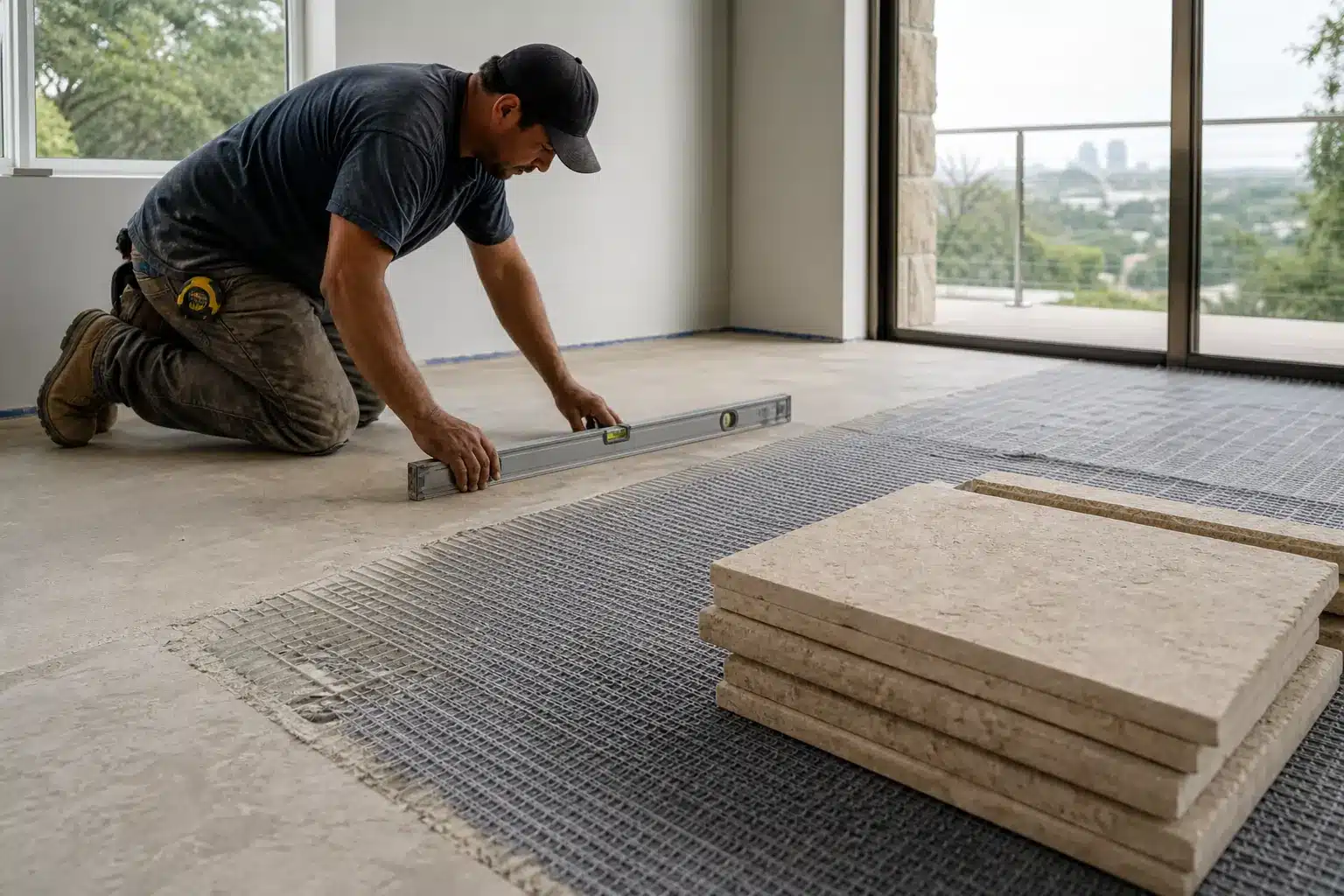
Subfloor support and preparation are especially important for natural stone because stone can be less forgiving than many manufactured tile products. The surface below should be stable, properly prepared and appropriate for the selected stone and method. Flatness, deflection, cracks, residues, old flooring and movement conditions all need review before installation.
In Austin homes, stone may be installed over concrete slabs or other assemblies that require project-specific evaluation. The goal is not to hide problems under expensive material. It is to confirm whether the floor can support the stone installation and what preparation belongs in the scope. Review floor and subfloor conditions before installation.
Flatness Deflection Cracks and Assembly Requirements
Flatness, deflection, cracks and assembly requirements should be reviewed before natural stone is installed. Stone can show lippage and unevenness clearly, and some stone installations require stronger support than ordinary finish changes. Existing cracks or movement conditions may affect whether the surface is suitable or whether preparation is needed.
For an Austin remodel, old flooring removal may reveal slab cracks, patching or uneven areas that change the plan. The practical rule is to evaluate support and flatness before setting stone. Share photos of the existing floor, exposed slab or damaged areas when requesting a quote.
Mortar Coverage Back-Buttering and Movement Accommodation
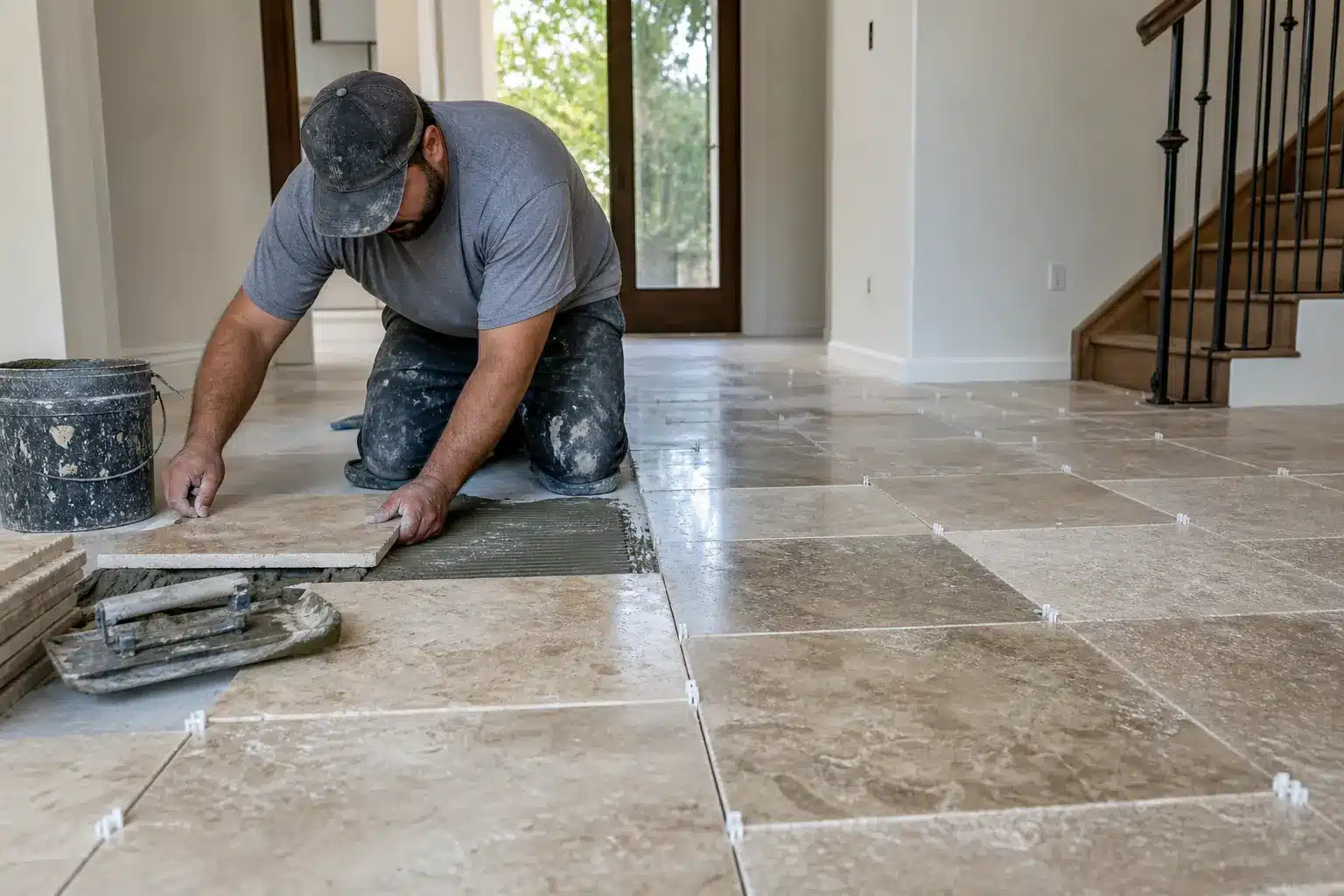
Mortar coverage, back-buttering and movement accommodation are important parts of stone installation planning. Natural stone pieces can vary in thickness and texture, and the selected method should support the material properly. Movement points and transitions should be considered so the finished floor is not forced against fixed elements or adjacent surfaces.
For larger stone tile or textured stone, installation planning may need extra attention to coverage and finished height. The decision rule is to plan the assembly around the selected stone, not to treat it as interchangeable with every porcelain tile. Review the complete stone installation scope before scheduling.
Stone Layout Joints Edges and Transitions
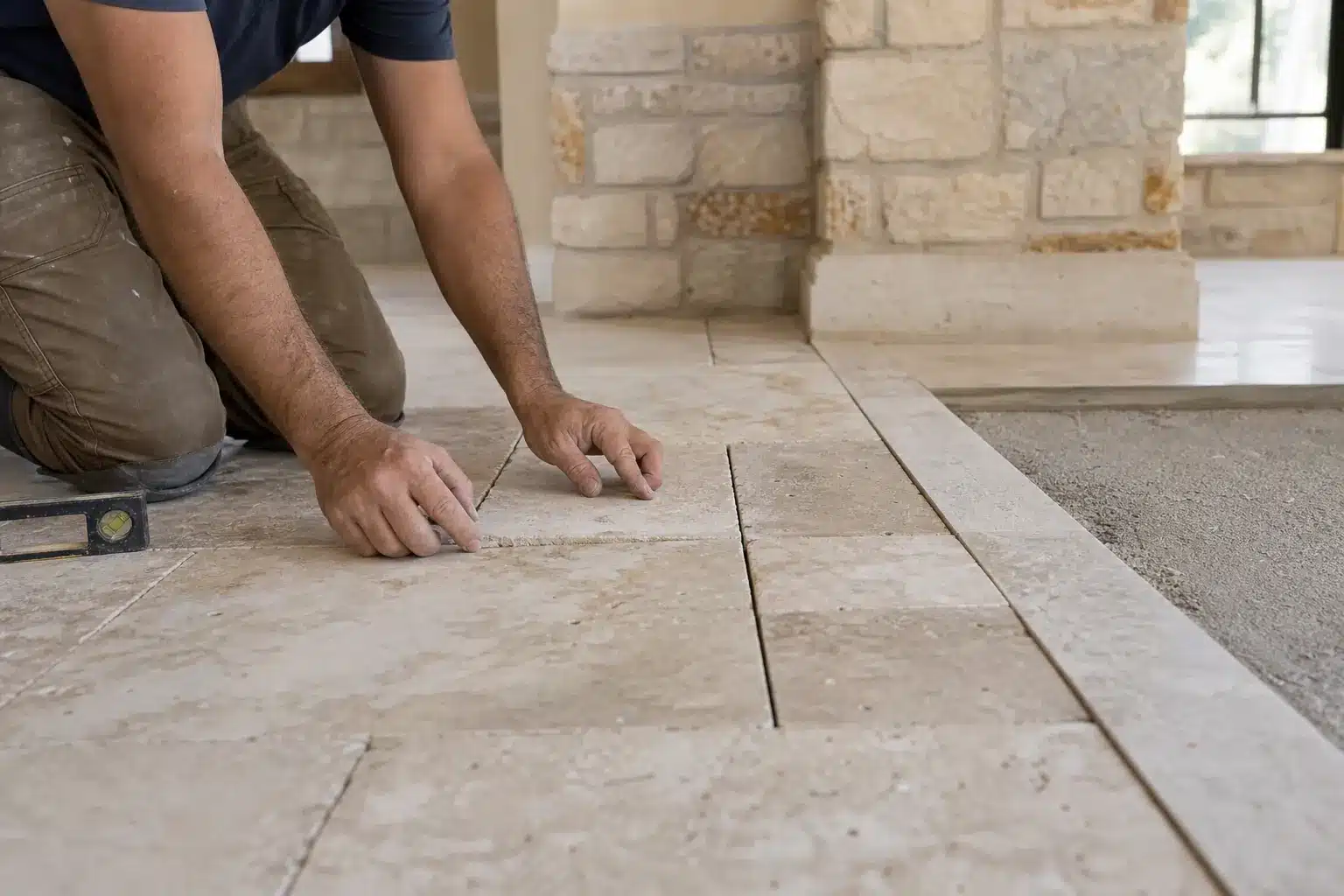
Stone layout, joints, edges and transitions shape the finished character of the floor. Joint width, lippage expectations, calibrated versus cleft material, thresholds, borders and adjacent flooring all matter. Stone’s natural variation makes layout planning more important because piece placement can affect the entire room’s appearance.
Austin projects often connect stone to wood, laminate, carpet, LVP or existing tile. Finished height and transition style should be planned before installation. Compare natural stone options and layout expectations so the selected material works with the surrounding rooms and not just the sample.
Lippage Joint Width and Calibrated vs Cleft Stone
Lippage, joint width and the difference between calibrated and cleft stone should be discussed before installation. Calibrated stone is generally more consistent, while cleft or textured stone can have natural surface variation that affects the finished feel. Joint width and layout expectations should match the stone, room and installation method.
For an Austin entry using slate or a living area using marble, the owner should understand how the stone’s texture and size influence the final surface. The practical rule is to set realistic expectations before work starts. Review product samples and full material lots when possible.
Thresholds Stairs Borders and Adjacent Flooring
Thresholds, stairs, borders and adjacent flooring require careful planning with natural stone because finished height and edge details can be more visible. Stone may meet wood, carpet, laminate, LVP or tile at doorways and open transitions. Borders or feature layouts can look strong when planned early and awkward when added late.
For a remodel, Austin Flooring Company should know which rooms connect to the stone floor and whether stairs, thresholds or trim pieces are included. The decision rule is to identify edges and transitions before ordering material. Send photos of doorways and adjacent floors with the quote request.
Natural Stone vs Porcelain Stone-Look Tile
Natural stone and porcelain stone-look tile solve different buyer problems. Natural stone offers authentic variation, depth and material character that manufactured tile imitates but does not duplicate. Porcelain stone-look tile can offer more predictable pieces, often simpler maintenance and strong room-fit options. Neither is automatically better for every project.
The right choice depends on the owner’s tolerance for variation, maintenance expectations, budget, room use and repair goals. If authenticity and natural character are the priority, stone may be the better fit. If predictability and lower maintenance are more important, porcelain may deserve consideration. Review stone fit by room before committing to either path.
Authentic Variation Repairability and Material Cost
Authentic variation, repairability and material cost should be part of the natural stone decision. Stone’s color, veining and texture can vary across the same order, which can be desirable when the owner wants a natural look. It can also make matching repairs more complex later. Material cost may include waste, extra pieces, trim, sealer and careful layout time.
For an Austin feature room, those tradeoffs may be worthwhile. For a rental with heavy turnover, they may not be. The practical rule is to choose stone when natural variation is a benefit, not a surprise. Keep extra material when possible for future repairs.
Maintenance Sealing and Cleaner Compatibility
Maintenance, sealing and cleaner compatibility should be understood before natural stone is installed. Sealing need and timing depend on stone type, finish, use and sealer guidance. Some stones can be damaged by acidic cleaners or harsh products. A claim that stone requires no care would be misleading; stone needs care that matches the material.
For marble, limestone or travertine, cleaner selection can matter as much as routine sweeping. For slate or granite, finish and use still influence care. The useful next step is to document care instructions and sealer guidance after installation so the floor is maintained correctly.
Stone Floor Repair Replacement and Restoration Decisions
Stone floor repair, replacement and restoration decisions depend on the material, damage and whether the underlying condition is active. Cracked, loose, etched, stained or uneven stone may need a different response. Some issues can be repaired or restored; others may require replacement, substrate correction or a broader room plan.
Austin Flooring Company can review stone damage using photos, material information, room conditions and any spare pieces. Ask whether the floor can be repaired before assuming replacement is necessary, but also recognize that matching natural stone can be harder than matching manufactured tile.
Cracked Loose Etched Stained or Uneven Stone
Cracked, loose, etched, stained or uneven stone should be evaluated by symptom and cause. Etching may involve acid-sensitive stone and cleaner exposure. Staining may depend on porosity and sealer condition. Loose or cracked pieces may point to impact, substrate movement, bond issues or structural conditions.
For an Austin kitchen or entry, send close-up photos, wider room photos and any known stone name. The decision rule is to separate surface restoration issues from installation or support problems. That prevents a cosmetic fix from hiding a deeper condition.
When Matching or Restoration Is Practical
Matching or restoration can be practical when the stone type, finish and damage support it. Extra pieces from the original order can make replacement more realistic. Restoration may help with etching, dullness or some surface issues, depending on the stone and finish. Severe cracking, missing material or widespread movement may require replacement planning instead.
The practical next step is to compare repair, restoration and replacement based on appearance, cost, material availability and root cause. Austin Flooring Company can review whether matching or restoration is realistic before a new floor is proposed.
Stone Materials Sourcing and Project Planning
Stone materials sourcing and project planning should happen before demolition or installation begins. Natural stone orders can vary by lot, finish, thickness and availability. Waste allowance, extra material, trim pieces, sealer, grout, mortar and lead time all affect the final scope. Owner-supplied stone can work when the material is complete, suitable and reviewed before scheduling.
A useful stone quote should identify the stone type, tile size, finish, carton or crate condition, lot variation, room use, preparation needs and timeline. Confirm your selected material before installation so missing pieces, mismatched lots or unplanned accessories do not delay the project.
Lot Variation Samples Extra Material and Waste
Lot variation, samples, extra material and waste are more important with natural stone than with many manufactured floors. A small sample may not show the full range of color, veining or texture in the delivered order. Extra material helps with layout choices, cuts and future repairs. Waste can increase when the owner wants stronger control over piece placement.
For an Austin living area or feature entry, the practical rule is to review the delivered material before installation. Keep spare pieces after the job when possible. Ask Austin Flooring Company to plan stone selection and installation around the actual lot, not only the showroom sample.
Sealers Grout Mortar Trim and Lead Time
Sealers, grout, mortar, trim and lead time should be part of the stone project plan. The selected stone and finish may influence grout choice, sealer discussion, mortar selection and trim availability. Special-order pieces can affect the schedule. Cleaner and care instructions should also be retained after installation.
For a remodel with a deadline, confirm materials and accessories before work begins. The decision rule is to avoid starting a stone installation until the full material system is available or clearly scheduled. Upload product details and accessory information with the quote request.
Stone Flooring for Austin Homes Remodels and Commercial Spaces
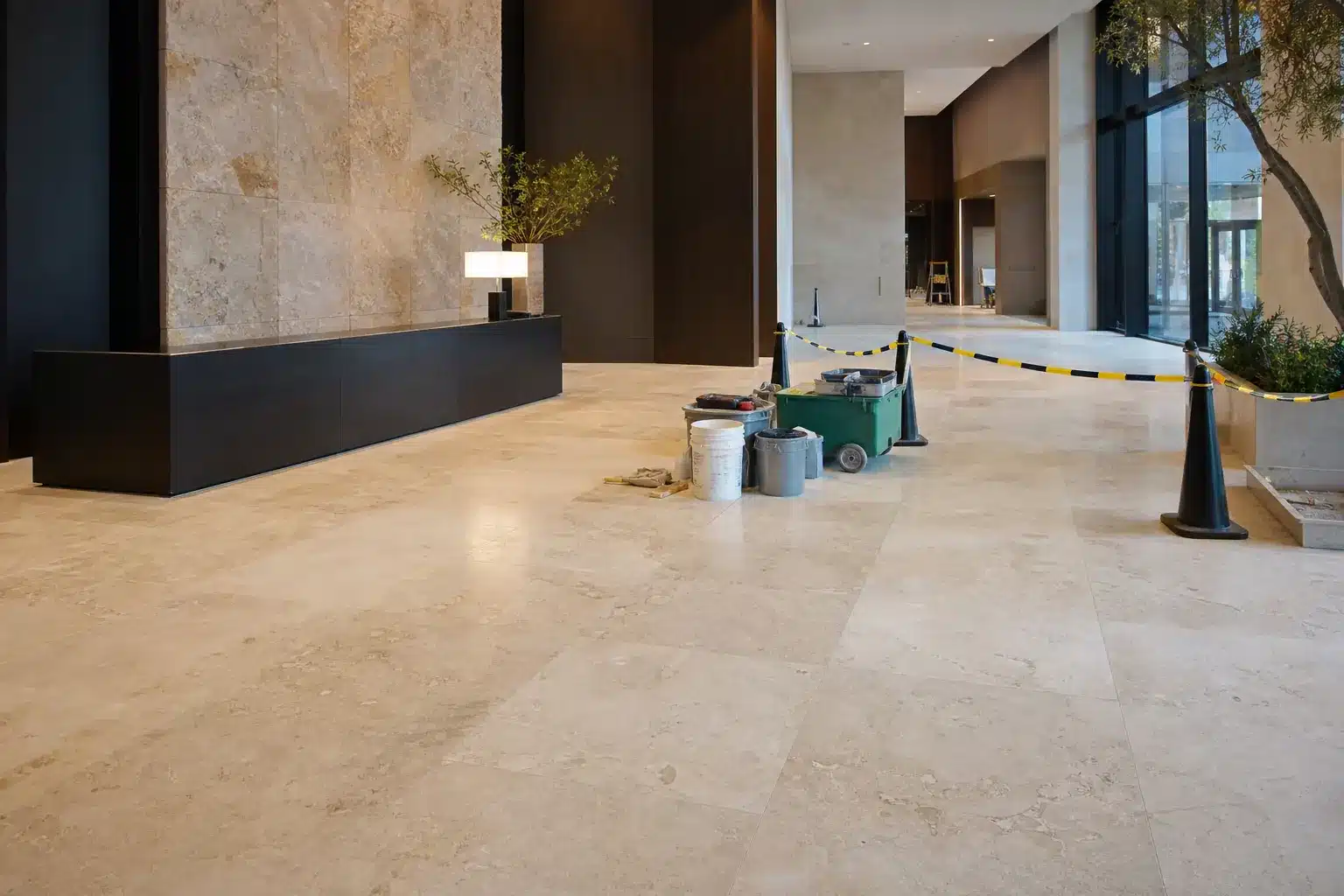
Stone flooring can serve Austin homes, remodels and commercial spaces when the room, traffic, finish and maintenance expectations fit the material. Homeowners may prioritize appearance and natural variation. Designers may focus on layout and transitions. Property managers or businesses may need to balance premium appearance with traffic and care requirements.
Austin Flooring Company can review how the stone project will be protected, staged and maintained during occupied remodels or business use. Plan the project schedule early when access, dust, furniture, curing or reopening affects the job.
Occupied Remodel Protection and Sequencing
Occupied remodel protection and sequencing matter with stone because the material can be heavy, visible and sensitive to site conditions. Existing floors, cabinets, walls and adjacent rooms may need protection. Work areas may need to be cleared, and sequencing should consider demolition, surface preparation, layout and return-to-use timing.
For an Austin home remodel, the quote should identify furniture needs, access paths, pets, children, room priority and any deadline. The practical rule is to plan protection before work starts. Share photos of access and adjacent spaces with the quote request.
Traffic Finish Selection and Maintenance Plans
Traffic, finish selection and maintenance plans should be matched before stone is installed in homes or businesses. A polished finish may create a different slip and care profile than a honed or textured finish. A high-traffic commercial space may need a different stone or care plan than a private living room.
The useful next step is to discuss who uses the room, how it is cleaned and what appearance changes are acceptable over time. Compare natural stone options with real traffic and care habits in mind.
The Long-Term Value of a Properly Installed Stone Floor
The long-term value of a stone floor comes from protecting a premium natural material through careful selection, substrate review, layout planning and care documentation. Stone can create a distinctive floor, but the result depends on more than the material order. Support, flatness, joints, movement, sealer guidance, cleaner compatibility and spare material all affect long-term ownership.
Austin Flooring Company can help identify the project conditions that should be addressed before installation so the stone is not asked to compensate for poor preparation. Plan the stone selection and installation when the goal is a floor that remains understandable and maintainable after the project is finished.
Protecting Material Investment Through Substrate and Layout Planning
Protecting a stone flooring investment starts with substrate and layout planning. A premium stone surface can still fail or disappoint if the support is unsuitable, the layout ignores variation or the transitions are improvised. Dry layout, piece review, flatness discussion and movement planning all help the final floor look intentional.
For an Austin feature space, the practical rule is to resolve support and layout expectations before installation. Review floor conditions and stone lots early, especially when the material has strong veining or color variation.
Care Documentation and Future Repair Stock
Care documentation and future repair stock can make a stone floor easier to own. Product labels, sealer guidance, cleaner recommendations and spare pieces should be retained after installation. Because natural stone varies, future replacement pieces may not match perfectly if extra material is not saved.
For homeowners, designers and property managers, the useful next step is to keep records with the property file. Ask Austin Flooring Company what material and care details should be saved once the stone installation is complete.
Request a Stone Flooring Quote in Austin TX
Request a stone flooring quote in Austin TX with room photos, rough measurements, existing floor type, selected stone details, tile size, finish, carton or crate information, trim needs and any cracks, stains, etching, loose pieces or uneven areas. If the material is owner-supplied, include photos of the stone, labels and quantity available. If the room is occupied or commercial, note access, protection and scheduling needs.
A scope-based stone quote can separate installation, preparation, layout, support review, transitions, sealing discussion, repair decisions and material planning. Austin Flooring Company can review whether natural stone fits the room, whether porcelain stone-look tile should be compared and what information is still needed before scheduling.
Stone Flooring Installer FAQs
Which natural stone flooring is best for an Austin home or business?
The best natural stone flooring depends on room use, traffic, finish, maintenance expectations and design goals. Marble, travertine, limestone, slate and granite can each fit different situations, but none is universally best. A living room may prioritize veining and appearance, while an entry or business may prioritize texture, traffic and cleaning. The decision rule is to match stone type and finish to the room before ordering. Share the space, traffic level and preferred appearance so the options can be reviewed.
How is natural stone installation different from porcelain tile?
Natural stone installation differs from porcelain tile because stone can vary more in color, veining, texture, thickness and care requirements. Stone often needs closer review of lot variation, dry layout, support, joint expectations and cleaner compatibility. Porcelain can be more predictable, while stone offers authentic natural variation. The practical rule is to treat stone as its own material, not just a tile category. Review the selected stone, room use and support conditions before scheduling installation.
Does every natural stone floor need to be sealed?
No, every natural stone floor should not be given the same sealing schedule. Sealing need and timing depend on stone type, finish, location, use and sealer guidance. Some stones are more porous or sensitive than others, and some finishes change care expectations. A universal annual-sealing claim would be misleading. The useful next step is to identify the stone and finish, then follow appropriate product and sealer guidance. Keep care documentation after installation.
Can marble travertine limestone or slate be installed over a concrete slab?
Marble, travertine, limestone or slate may be installed over a concrete slab when the slab and selected method are suitable. The slab should be stable, properly prepared and reviewed for flatness, cracks, moisture concerns and movement conditions. Natural stone may require more careful support and layout planning than some other floors. The decision rule is to inspect the slab and selected stone together before confirming the installation scope. Send photos of the current floor and material details with the quote request.
How do installers manage color variation veining and lippage?
Installers manage color variation and veining by reviewing the delivered stone and planning layout before setting pieces. Dry layout can help distribute stronger pieces, balance shade range and avoid awkward clusters. Lippage is managed through substrate preparation, stone selection, joint planning and installation method, but expectations also depend on whether the stone is calibrated, textured or cleft. The practical next step is to review the actual material lot and visible room areas before installation begins.
Can cracked stained or etched stone be repaired instead of replaced?
Cracked, stained or etched stone can sometimes be repaired or restored, but the right answer depends on the stone, finish, damage and cause. Etching may involve surface restoration; staining may depend on porosity and product compatibility; cracking or loose pieces may point to impact, support or bond issues. Replacement may be needed when damage is severe or matching pieces are available. Send close-up and room-wide photos so Austin Flooring Company can review repair, restoration and replacement options.
Can Austin Flooring Company install owner-supplied natural stone?
Austin Flooring Company can review owner-supplied natural stone when the material is suitable, complete and in good condition. The review should include stone type, tile size, finish, quantity, lot variation, trim pieces, grout, sealer discussion and any special instructions. Owner-supplied stone can work well when enough material is available for layout, cuts and spare stock. It can delay the project when pieces are missing, damaged or inconsistent with the room use. Confirm the selected material before scheduling.
What photos measurements and material details are needed for a stone flooring quote?
For a stone flooring quote, send photos of the room, existing floor, doorways, transitions, damaged areas if any and the selected stone. Include rough measurements, stone type, tile size, finish, carton or crate labels, quantity available, trim needs and preferred schedule. If the room is occupied or commercial, note access and protection requirements. This information helps Austin Flooring Company separate installation, support review, layout, material planning, repair decisions and scheduling in the quote.