Texas Flooring Installers

Tile Flooring Installer in Austin TX

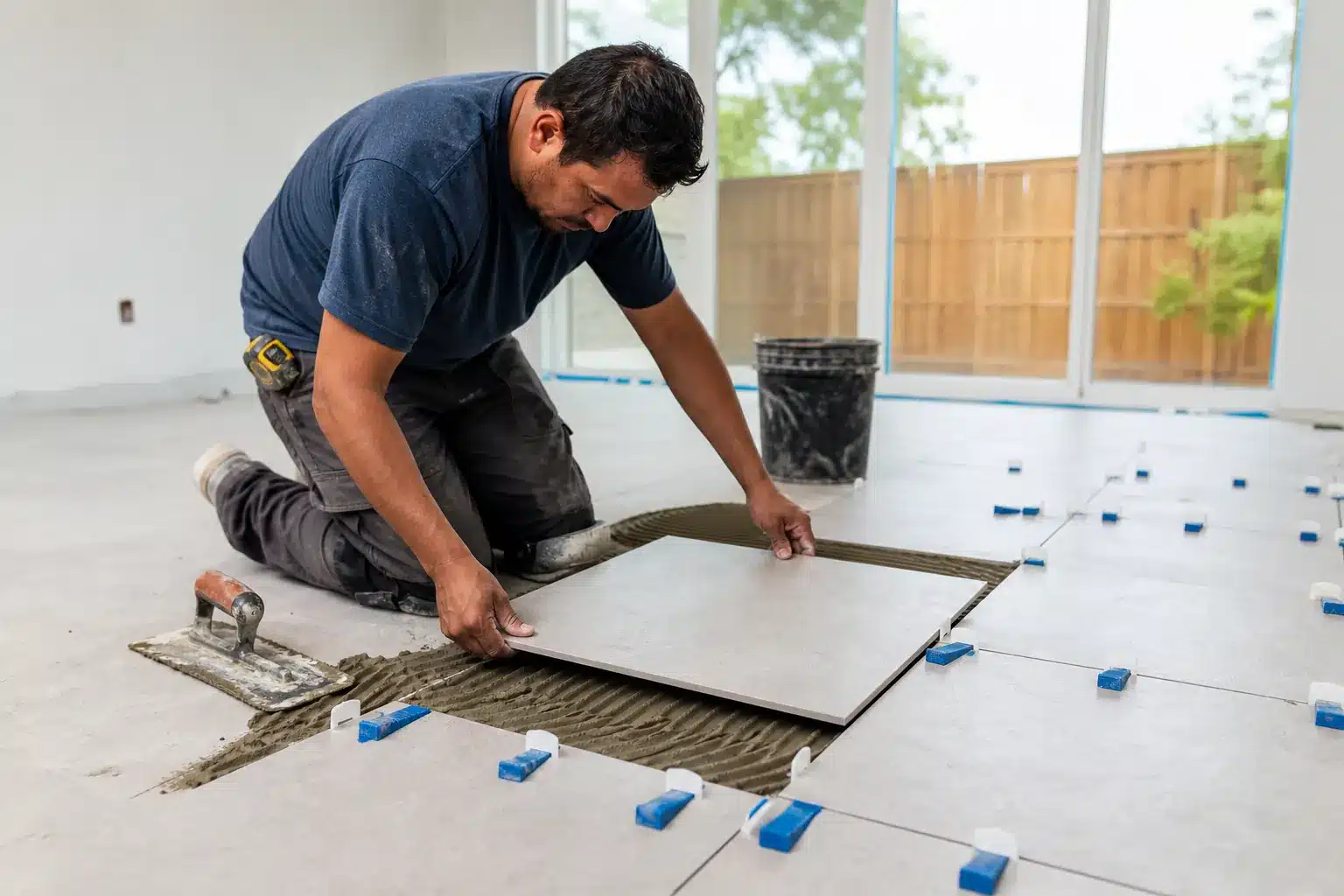
Austin Flooring Company installs tile flooring in Austin TX for kitchens, bathrooms, entries, living areas, rental properties and light-commercial spaces where porcelain or ceramic tile fits the room use and installation conditions. A tile floor is not just a decorative surface; it is a complete assembly that depends on substrate preparation, flatness, cracks, mortar coverage, layout, grout joints, movement accommodation, transitions and curing time. Tile can be a durable choice for high-traffic and splash-prone rooms, but tile and grout alone should not be treated as a waterproofing system. The right plan depends on the selected tile, the surface below it, room exposure, pattern complexity and return-to-use expectations. Austin Flooring Company can review new tile installation, removal, repair or replacement needs before work begins. To start, share room photos, rough dimensions, existing floor type, tile size if selected and any cracks, hollow sounds, loose tile or wet-area concerns.

  • Licensed & Insured
  • Locally Trusted
  • Fast Estimates
  • 5-Star Rated

Tile Flooring Installation Services in Austin TX

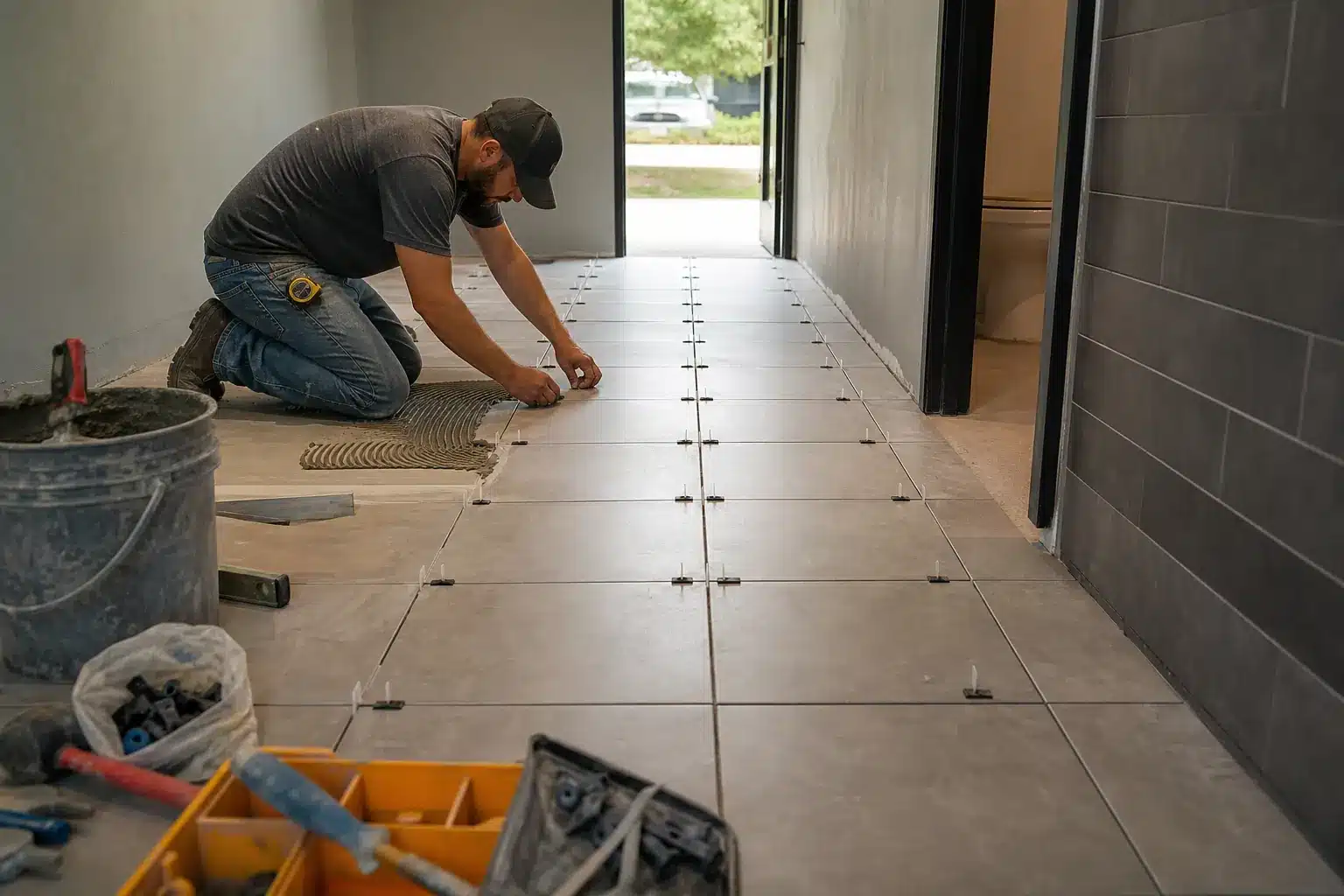
Austin Flooring Company installs porcelain and ceramic tile floors with attention to the complete assembly below the finished surface. The installation plan can include removal of old flooring, surface review, crack or flatness discussion, layout planning, mortar and grout coordination, transition details and cure-time expectations. Tile is a strong option when the selected product and installation method fit the room, but it is not a shortcut over every existing surface.

For Austin kitchens, bathrooms, entries and commercial rooms, the quote should reflect more than square footage. Tile size, pattern, substrate condition, trim pieces, movement accommodation, access and scheduling can all change the work. Request a scope-based tile flooring quote when you need the floor planned around the room, not just the tile box.

Porcelain and Ceramic Floor Tile Installation

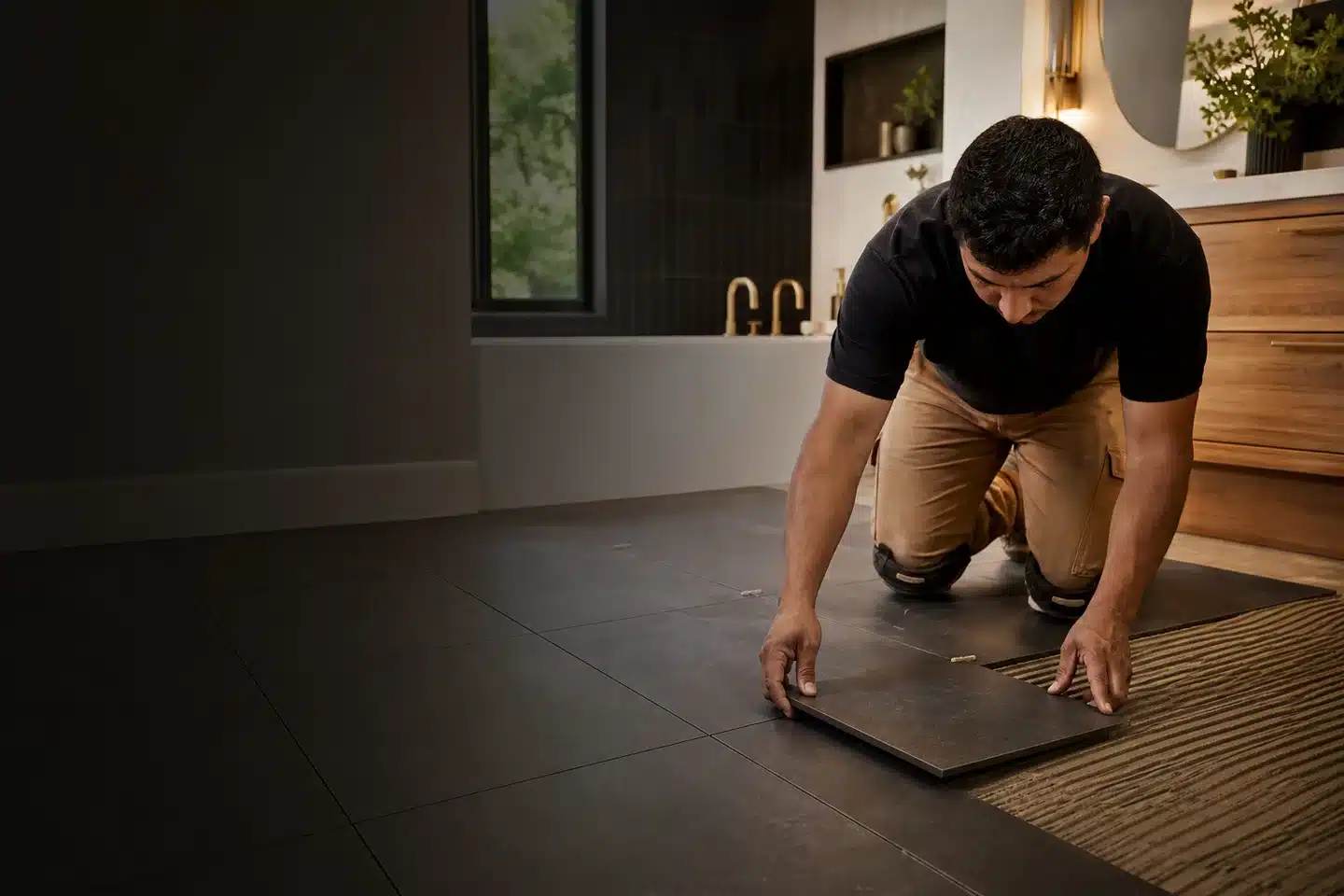
Porcelain and ceramic floor tile can both work well when the tile, substrate and room use are matched correctly. Porcelain is often selected for dense, lower-absorption products and high-use areas, while ceramic may fit many residential rooms depending on the product and finish. The right choice depends on traffic, room exposure, slip resistance, tile size, edge style and installation method.

An Austin kitchen floor may need a different tile and grout plan than a guest bathroom or a small office entry. The decision rule is to select the tile for the room first, then plan the assembly that supports it. Austin Flooring Company can review porcelain and ceramic options, owner-supplied material and the installation conditions that affect the finished floor.

Large-Format and Patterned Tile Layouts

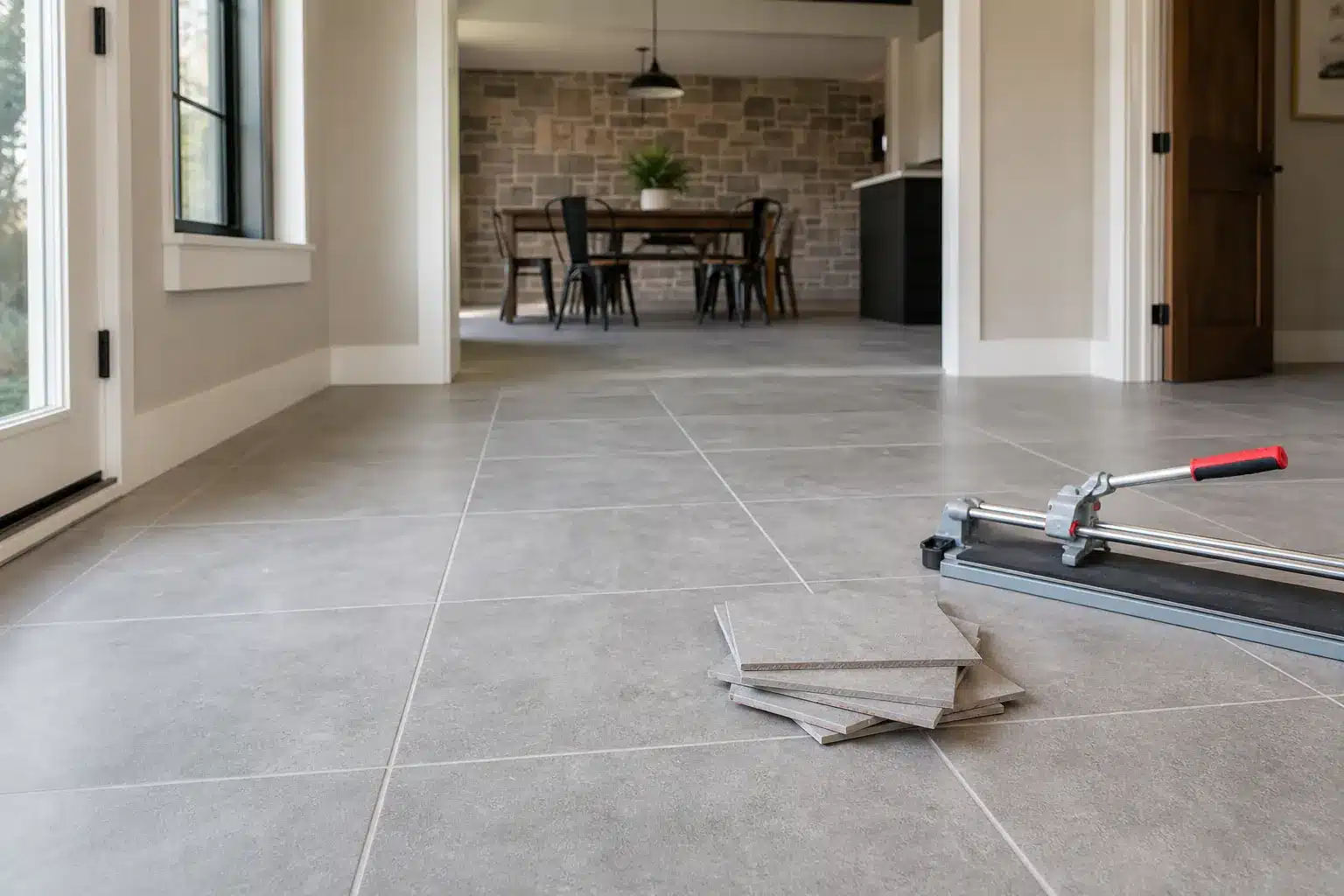
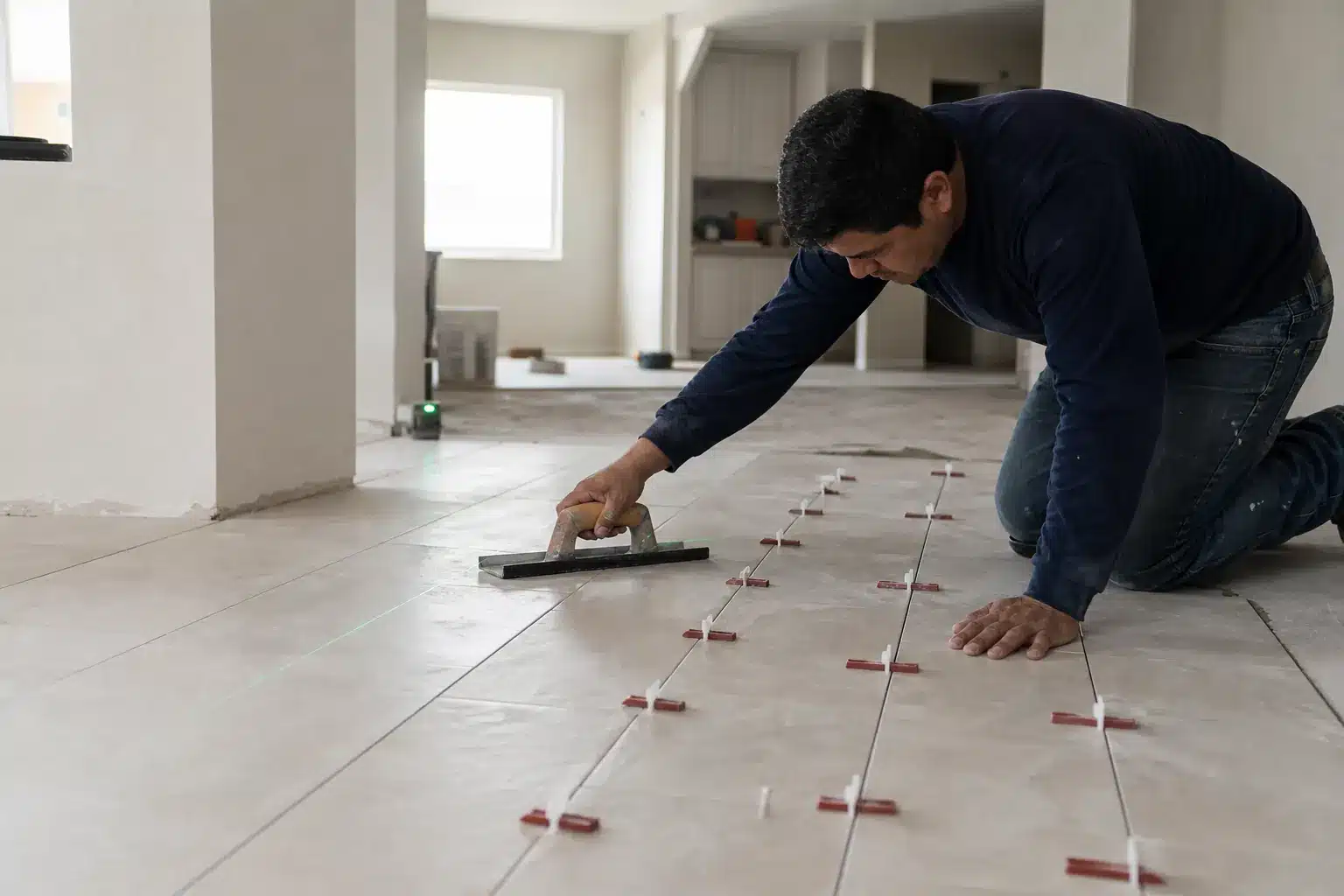
Large-format and patterned tile layouts need extra planning because they make flatness, layout and lippage control more visible. Larger tiles do not bend to follow uneven surfaces, and patterned layouts can draw attention to walls, cabinets or rooms that are not perfectly square. Mortar selection, troweling, coverage, joint size and layout decisions all matter.

For an Austin living area or kitchen using large tile, the installer should review the surface, identify the starting layout, plan cuts and discuss how the pattern will meet transitions and fixed features. The practical next step is to review the complete tile assembly before installation begins. Share tile size, pattern preference and room photos when requesting a quote.

Tile Flooring for Kitchens Bathrooms Entries and Living Areas

Tile flooring is commonly chosen for kitchens, bathrooms, entries and living areas because it can handle traffic, cleaning and design goals when installed over a suitable assembly. The same tile is not automatically right for every room. Wet-area planning, slip resistance, grout expectations, substrate condition and maintenance all affect product fit.

In Austin homes, tile often meets concrete slabs, existing tile, cabinets, thresholds, tubs, showers or adjacent floors. Those transitions should be reviewed before installation. A kitchen may prioritize cleanability and layout around cabinets. A bathroom may require wet-area method decisions. An entry may need durability and texture. Review tile fit by room so the selected product and installation plan support the way the space is used.

Wet-Area and High-Splash Room Planning

Wet-area and high-splash room planning should not rely on grout as the waterproofing system. Tile and grout can be part of a durable surface, but wet-area protection depends on the complete approved method, substrate and waterproofing approach. Bathrooms, laundry rooms and areas near tubs or exterior doors should be discussed carefully before tile is installed.

For a bathroom floor in Austin, the quote may need to account for existing floor removal, substrate review, transitions, fixtures and the selected tile’s slip resistance. The decision rule is to identify water exposure and method requirements before selecting the final installation plan. Review floor and subfloor conditions when the room has routine splash, humidity or water-tracking concerns.

High-Traffic Residential and Light Commercial Uses

High-traffic residential and light-commercial tile floors need a tile, grout and installation plan that fits daily use. Entries, hallways, offices, small retail spaces and common areas can benefit from tile when the selected product, finish and assembly are appropriate. Traffic alone does not make the assembly successful by itself; substrate conditions, mortar coverage, movement joints and cure time still matter.

For a business, reopening time and access may be just as important as tile color. For a busy home entry, texture, cleaning and transition height may matter more. The practical rule is to plan the floor around use, access and return-to-service expectations. Plan the project schedule before installation if the space cannot be out of service for long.

Subfloor Preparation and Crack Management Before Tile Installation

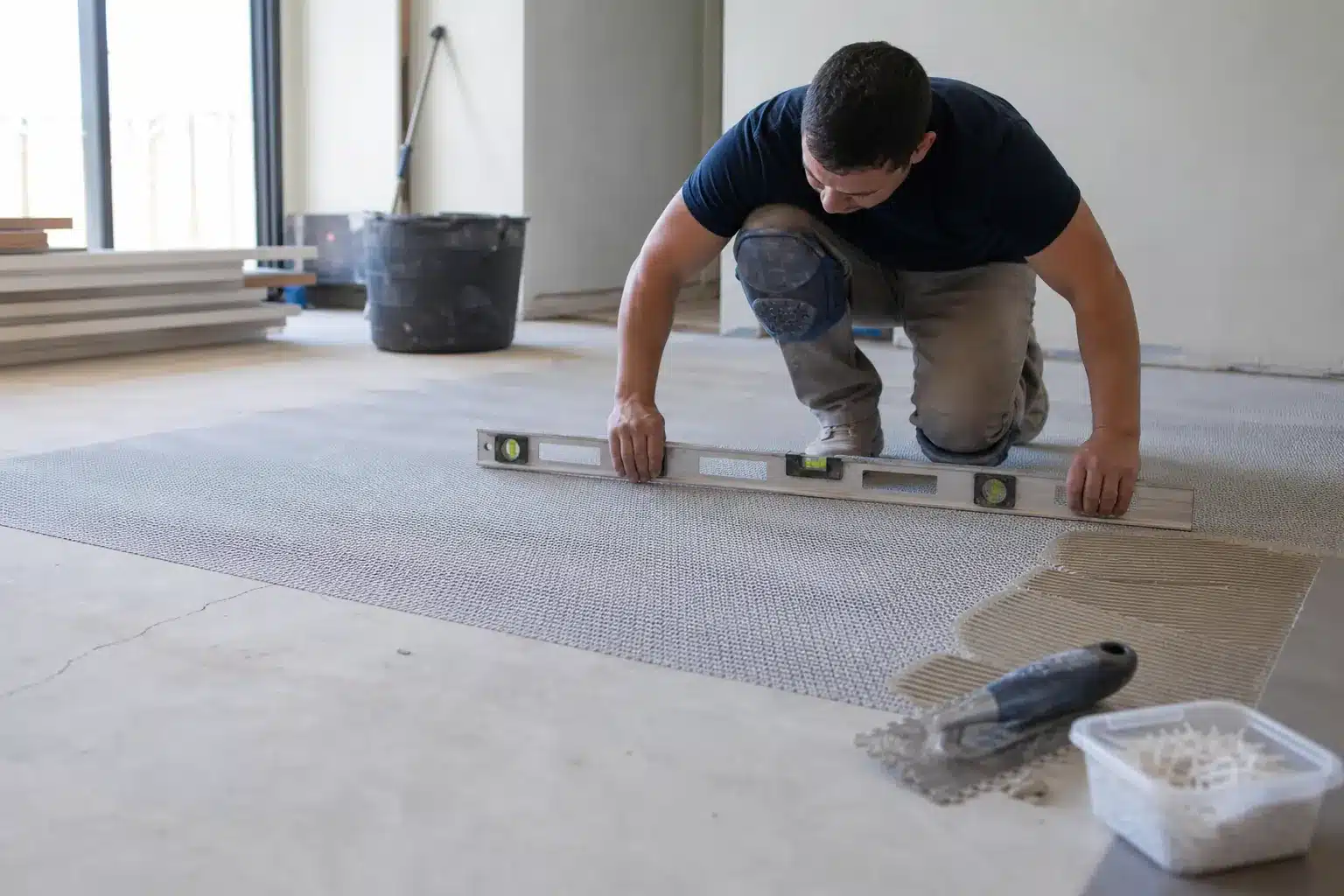
Subfloor preparation and crack management are central to tile flooring because tile is rigid and depends on the surface below it. A concrete slab or subfloor should be reviewed for stability, flatness, cracks, residues, existing coverings and movement conditions. Installing tile over the wrong surface can lead to hollow areas, cracks, loose tile or lippage.

Austin properties often involve concrete slabs with old adhesive, hairline cracks, previous patching or existing tile. Some conditions may need removal, flattening, membrane discussion or a different assembly. No membrane or method should be described as solving every structural problem. Review floor and subfloor conditions early so the quote can address preparation before tile is set.

Concrete Slab Flatness and Existing Cracks

Tile can be installed over a concrete slab when the slab is suitable for the selected tile and method. Flatness matters because tile, especially larger formats, does not hide substrate variation well. Existing cracks should be reviewed to determine whether they are cosmetic, active, structural or likely to affect the installation approach.

For an Austin kitchen or living area, old flooring removal may reveal conditions that were not visible during the first conversation. The practical decision rule is to inspect the slab before finalizing the installation method. Send photos of cracks, residue and uneven areas when requesting a quote so preparation and crack-management needs can be considered.

Uncoupling Crack-Isolation and Backer Systems

Uncoupling, crack-isolation and backer systems may be used when the substrate and selected method call for them, but they are not universal cures. Their role depends on the surface below, tile format, room conditions, movement expectations and product instructions. The goal is to support the assembly, not to cover over a problem that should be corrected first.

For a slab with existing cracks or a wood-framed floor needing tile, Austin Flooring Company can discuss whether an additional system should be reviewed as part of the project. The decision rule is to match the preparation method to the condition and product, then document the scope before installation. Review the complete tile assembly if cracks, flex or previous failures are present.

Tile Layout Grout Joints and Finished Transitions

Tile layout, grout joints and finished transitions determine how the floor looks and functions after installation. Layout affects cuts, borders, focal lines, doorways, cabinets and how patterns meet the room. Grout joint size, color and maintenance expectations affect both appearance and cleaning. Transitions affect how tile meets carpet, laminate, LVP, wood or another tile surface.

Austin remodels often involve rooms that are not perfectly square or that connect to multiple flooring types. A good tile plan should identify the visible edges, starting points, centerlines and transition locations before work begins. Compare current tile options and layout expectations before choosing a pattern that may create awkward cuts or difficult maintenance.

Centerlines Cuts Borders and Pattern Planning

Centerlines, cuts, borders and pattern planning should be discussed before tile installation starts. The most visible wall, doorway or cabinet line may not be the same as the mathematical center of the room. Patterned tile, planks and large-format tile can make layout decisions more important because small shifts can change the finished look.

For an Austin entry or kitchen, the installer may need to balance full tiles at focal points with reasonable cuts along cabinets or walls. The decision rule is to choose the layout priority before setting tile. Share pattern preferences and photos of the full room so Austin Flooring Company can review practical layout expectations.

Lippage Mortar Coverage and Movement Joints

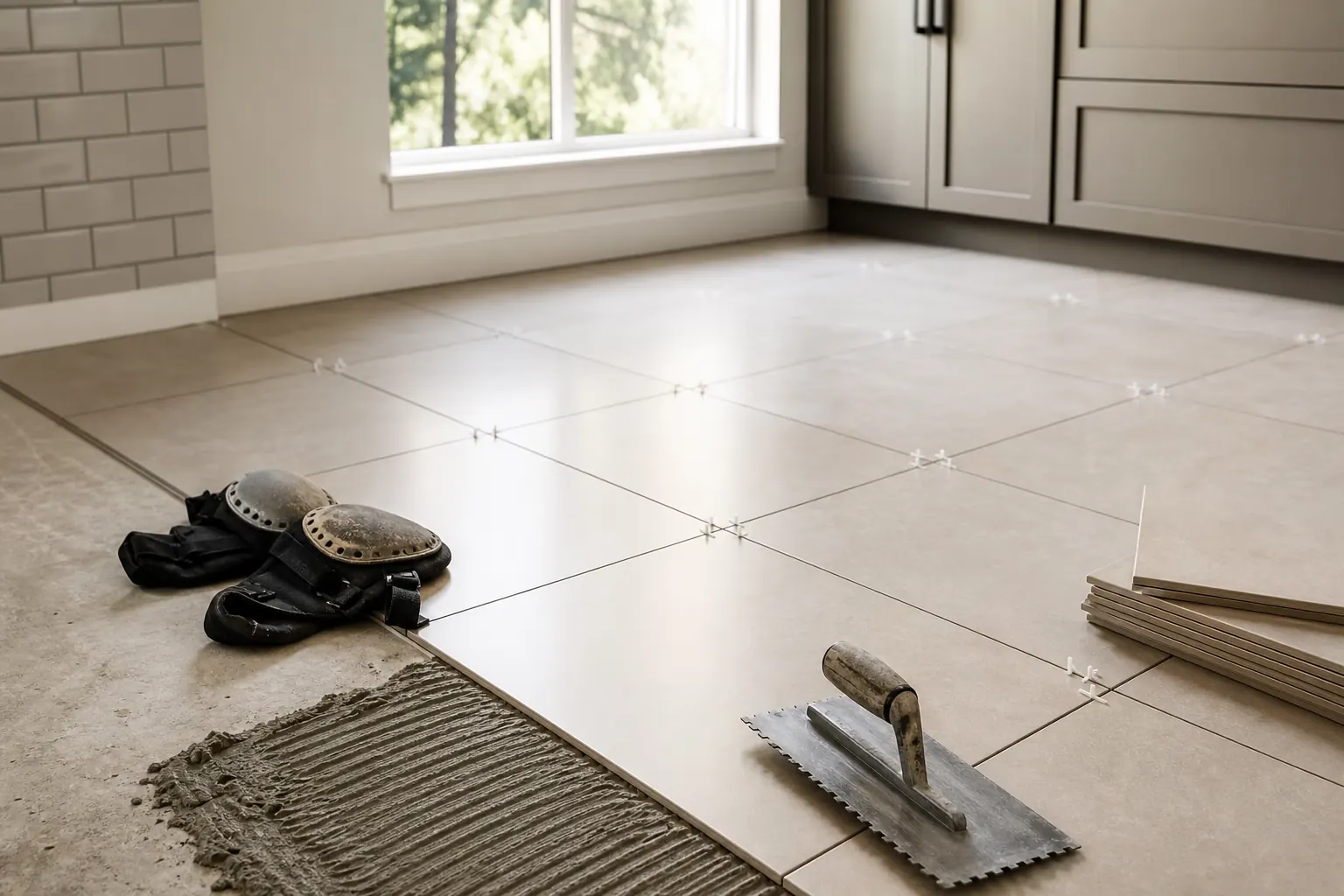
Lippage, mortar coverage and movement joints are part of professional tile planning. Lippage can be influenced by substrate flatness, tile warpage, tile size, layout, joint width and installation method. Mortar coverage supports the tile and can affect hollow sounds or bond performance. Movement accommodation helps the tile assembly handle normal building movement.

For large-format tile in an Austin living area, these details become more noticeable and more important. The practical rule is to review flatness, tile size and movement points before installation. If a previous tile floor has hollow sounds or cracked grout, the cause should be evaluated before simply replacing the visible tile.

Porcelain vs Ceramic Tile for Austin Properties

Porcelain and ceramic tile choices should be based on room use, traffic, water exposure, finish, maintenance and product details. Porcelain is often considered for denser, lower-absorption tile and high-use areas, while ceramic can be appropriate for many residential spaces depending on the product. One is not automatically best for every Austin property.

The better question is how the tile will be used. A bathroom floor may prioritize slip resistance and wet-area method. A kitchen may prioritize cleanability and durability. A rental entry may prioritize replacement availability and grout maintenance. Review tile fit by room before selecting material based only on color, price or a sample board.

Water Absorption Traffic and Room Fit

Water absorption, traffic and room fit should guide the porcelain-versus-ceramic decision. A product that works well on a powder-room floor may not be the right choice for a busy entry or commercial hallway. Finish texture, grout width, cleaning expectations and tile thickness can all affect the final decision.

For Austin properties, the useful next step is to match tile characteristics to actual use before ordering material. If water exposure, heavy traffic or cleaning frequency are major concerns, those should be discussed during the quote. Review tile fit by room instead of assuming one tile category is automatically correct.

Cleaning Grout Maintenance and Repairability

Cleaning, grout maintenance and repairability should be considered before tile is installed. Grout color, joint width, finish texture and product availability affect how the floor ages. A very light grout may show soil faster in an entry. A textured tile may need more careful cleaning. A discontinued tile can make future chip or crack repairs harder.

For rentals and businesses, maintainability may matter as much as the initial look. The practical rule is to select tile, grout and layout with future cleaning and replacement in mind. Compare current tile options and ask whether extra material should be saved after installation.

Tile Floor Removal Repair and Replacement in Austin TX

Tile floor repair and replacement depend on whether the problem is isolated or tied to the underlying assembly. A chipped tile, hollow sound, cracked grout line or loose section may have different causes. Repair may be possible when matching tile is available and the issue is localized. Replacement may be more practical when damage is widespread, the assembly has failed or the tile cannot be matched.

Austin Flooring Company can review tile removal, repair and replacement needs using photos, room dimensions, existing tile information and symptoms such as loose tile, hollow spots or recurring cracks. Ask whether the floor can be repaired before assuming the whole area must be replaced, but also be ready to address substrate or movement conditions when they are the real cause.

Hollow Loose Cracked or Chipped Tile

Hollow, loose, cracked or chipped tile should be evaluated before choosing a repair method. A chip from impact may be a localized cosmetic issue. Hollow sounds, loose sections or repeated cracked grout may suggest bond, substrate or movement problems. Replacing one tile without understanding the cause can leave the same issue active.

For an Austin kitchen or entry, send close-up photos and a wider room view showing where the damage sits. If spare tile exists, include photos of the box or product label. The decision rule is to separate isolated damage from assembly symptoms before approving repair.

Matching Existing Tile vs Replacing the Area

Matching existing tile can be difficult when the original product is discontinued, faded, from a different lot or installed with an older grout color. A single replacement tile may be technically possible but visually obvious. In some cases, replacing a defined area or full room creates a cleaner result than forcing a patch.

For rental units or commercial spaces, practical turnaround may also influence the decision. The useful next step is to compare repair feasibility, matching material, labor access and final appearance. Austin Flooring Company can review whether a repair, partial replacement or full replacement is the better path.

Tile Materials and Installation Scope Options

Tile materials and installation scope should be reviewed together because the tile selection affects labor, accessories and scheduling. Tile size, finish, trim, grout, mortar, membrane needs, transitions, waste allowance and lead time can all change the project. Owner-supplied tile can work when the material is complete, undamaged and suitable for the room.

A useful tile quote should identify whether the project includes removal, floor preparation, crack discussion, layout complexity, trim pieces, transition work and return-to-use constraints. Confirm your selected material before scheduling so missing bullnose, thresholds, grout or membrane products do not delay the job.

Tile Size Finish Slip Resistance and Trim Pieces

Tile size, finish, slip resistance and trim pieces influence both installation and daily use. Large-format tile can require more preparation and careful layout. Glossy or polished finishes may not suit every wet or high-traffic area. Trim pieces, thresholds and edge profiles should be selected before installation so the finished floor does not rely on last-minute substitutions.

For an Austin bathroom, entry or kitchen, the decision rule is to choose tile for room exposure, cleaning and edge conditions as well as appearance. Send the tile name, size, finish and accessory list when requesting a quote.

Mortar Grout Membranes Waste and Lead Time

Mortar, grout, membranes, waste allowance and lead time are part of tile planning. The selected tile may require specific setting materials, joint expectations or preparation products. Waste allowance can increase with patterns, diagonal layouts, large rooms or tile that must be matched carefully. Lead time matters when special-order tile or trim is involved.

For a remodel with a deadline, these details should be confirmed before demolition begins. The practical next step is to review the material list, accessory needs and schedule together. Upload product information and room photos so Austin Flooring Company can identify missing scope items early.

Tile Flooring for Homes Rentals and Businesses

Tile flooring can serve homes, rental properties and businesses when the installation is planned around occupancy, access, cure time and daily use. A homeowner may need work phased around family access. A landlord may need durable product choices and a vacancy window. A business may need scheduling that limits downtime and protects customer access.

Austin Flooring Company can discuss how the tile project will be staged, what areas must remain usable and when the floor can return to service. Plan the project schedule before installation if the room is essential to daily operations or tenant turnover.

Occupied Remodel Phasing and Dust Control

Occupied remodel phasing and dust control matter when tile is installed in a home that remains in use. Removal of old flooring, surface preparation and tile cuts can affect access, noise and cleanup expectations. Rooms may need to be cleared, and pets or children may need to stay away from the work area.

For an Austin kitchen or bathroom, the quote should note whether the room is occupied, whether fixtures or furniture are involved and how access will be managed. The practical rule is to plan sequencing before work starts. Share any occupancy limits when requesting a quote.

Commercial Access Cure Time and Reopening

Commercial access, cure time and reopening should be part of the tile plan for offices, retail spaces and common areas. Tile installation may require areas to stay unused while setting materials cure. Work may need to be scheduled around business hours, deliveries, employees or customer paths.

For an Austin business, the decision rule is to identify downtime limits before choosing the installation schedule. A quote should account for access, material staging, cleanup and return-to-use expectations. Plan the project schedule early when the floor affects operations.

The Long-Term Value of Professional Tile Installation

The long-term value of tile flooring comes from the complete installation, not only the tile selected. Proper substrate preparation, layout planning, mortar coverage, grout choices, movement accommodation and transition details can reduce avoidable cracks, lippage and premature bond problems. No installation can eliminate every structural or impact risk, but careful planning can reduce preventable issues.

For Austin homeowners, landlords and businesses, value also means a floor that is easier to clean, easier to understand and easier to maintain. Choosing a maintainable layout and grout plan before installation can help the finished floor age better under real use.

Reducing Cracks Lippage and Premature Bond Failure

Reducing cracks, lippage and premature bond failure starts before tile is set. Flatness, substrate stability, cracks, mortar coverage, movement joints and tile format all influence performance. A large tile over an uneven floor raises different risks than a small tile in a compact bathroom.

The practical rule is to review the assembly before installing the surface. If the project includes large-format tile, existing cracks or previous tile failure, ask Austin Flooring Company to review those conditions as part of the quote.

Choosing a Maintainable Layout and Grout Plan

A maintainable layout and grout plan can make the floor easier to live with after installation. Grout color, joint width, tile texture, pattern complexity and spare material all influence maintenance and repair. A dramatic pattern may look strong in a sample but require more careful cut planning and replacement stock.

For rentals and businesses, the best tile plan often balances appearance with cleaning and future repair needs. Compare current tile options with maintenance in mind before choosing the final material.

Request a Tile Flooring Quote in Austin TX

Request a tile flooring quote in Austin TX with room photos, rough measurements, existing floor type, selected tile details, tile size, pattern preference, trim needs and any cracks, hollow sounds or loose areas. If old flooring must be removed, include photos of transitions, doorways and adjacent rooms. If the space is occupied or commercial, note access and deadline constraints.

A scope-based quote can separate installation, removal, preparation, crack review, layout, grout, transitions and scheduling needs. Austin Flooring Company can review whether porcelain or ceramic tile fits the room, whether owner-supplied material is complete and what conditions should be addressed before installation. Upload photos and start your quote with the clearest information available.

Tile Flooring Installer FAQs

What is the difference between porcelain and ceramic floor tile?

Porcelain and ceramic are both tile products, but they can differ in density, water absorption, finish, traffic suitability and product-specific instructions. Porcelain is often selected for dense, high-use floors, while ceramic can work well in many residential spaces depending on the product. Neither choice is automatically right for every room. The decision should consider room exposure, traffic, slip resistance, maintenance and available trim pieces. Share the tile name and room use so Austin Flooring Company can review fit before installation.

Can tile be installed directly over an Austin concrete slab?

Tile can be installed over a concrete slab when the slab is suitable for the selected tile and method. The slab should be stable, clean and flat enough for the tile format. Existing cracks, adhesive residue, old coatings or moisture concerns can change the preparation scope. Large-format tile may make flatness issues more visible. The practical next step is to review the slab condition before finalizing the installation plan. Send photos of the current floor and any visible cracks when requesting a quote.

When is an uncoupling or crack-isolation membrane needed?

An uncoupling or crack-isolation membrane may be considered when substrate conditions, cracks, movement or the selected method call for it. It is not a universal fix for every slab crack or structural issue. The right approach depends on the floor condition, tile size, room use and product instructions. If cracks, previous tile failure or wood-frame movement are present, those conditions should be discussed before installation. Austin Flooring Company can review whether membrane planning belongs in the project scope.

How flat does the floor need to be for large-format tile?

Large-format tile generally needs a flatter, more carefully prepared surface than smaller tile because large pieces do not hide variation well. Exact requirements depend on the selected tile, product instructions and installation method. Uneven surfaces can contribute to lippage, hollow spots or difficult layout decisions. Before installation, the floor should be reviewed for dips, humps, old adhesive and cracks. If you are considering large-format tile, include tile size and room photos with the quote request.

What causes tile lippage hollow spots or cracked grout?

Tile lippage, hollow spots and cracked grout can come from several conditions, including substrate variation, tile format, mortar coverage, movement, impact, weak bond or installation over an unsuitable surface. A single symptom does not always reveal the cause. For example, one chipped tile may be impact damage, while recurring cracked grout may point to movement. The decision rule is to inspect the affected area before choosing repair. Send close-up and room-wide photos so the likely cause can be reviewed.

Can one cracked or loose tile be repaired without replacing the floor?

One cracked or loose tile may be repairable when matching tile is available and the cause is isolated. Repair becomes harder when the original tile is discontinued, the grout color cannot be matched or the loose tile reflects a wider assembly problem. If many tiles are hollow or loose, replacing one piece may not solve the issue. The practical next step is to identify whether the damage is local or widespread. Include spare tile information and photos when asking about repair.

Can Austin Flooring Company install owner-supplied tile?

Austin Flooring Company can review owner-supplied tile when the material is suitable, complete and in good condition. The project may also need matching trim, thresholds, grout, mortar, membrane products and enough extra tile for cuts and waste. Mixed lots, damaged boxes or missing accessories can delay the work or affect the finished appearance. Confirm the selected material before scheduling. Send the tile name, size, carton count, lot information if available and room photos with the quote request.

What information is needed for a tile flooring quote in Austin TX?

A tile flooring quote needs room photos, rough measurements, existing floor type, selected tile details, tile size, pattern preference, trim needs and any known cracks, hollow spots or loose tile. For bathrooms or splash-prone areas, note water exposure and fixtures. For businesses, include access limits and reopening needs. If old flooring must be removed, show transitions and adjacent rooms. This information helps Austin Flooring Company separate installation, preparation, layout, accessories and scheduling in the quote.