
Austin flooring services
LVP Flooring Installer in Austin TX
LVP Flooring Installer in Austin TX — LVP flooring installer guidance for waterproof plank projects, busy homes, rental turns, and Austin remodel timelines.
- Licensed & Insured
- Locally Trusted
- Fast Estimates
- 5-Star Rated
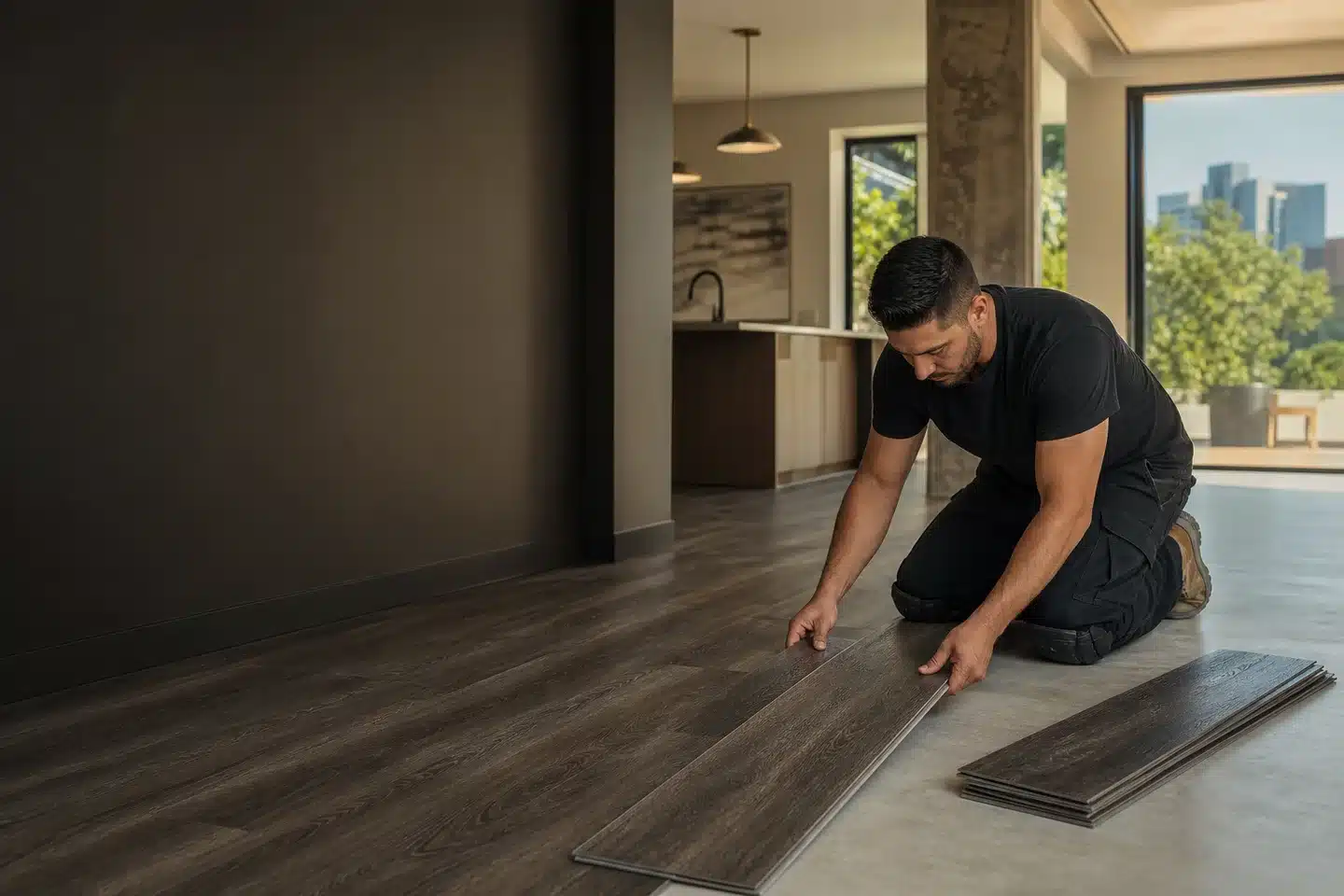
Austin Flooring Company installs LVP flooring for Austin homeowners, landlords, property managers, office tenants, retail operators, and remodel teams that need plank flooring planned around real site conditions. This page is for buyers looking for an LVP flooring installer, not a generic vinyl page and not a premium design-only luxury vinyl plank page. The decision usually turns on subfloor flatness, slab moisture, SPC versus WPC, plank direction, stair noses, reducers, door clearances, pets, rental durability, product sourcing, and how the new floor will meet tile, carpet, hardwood, cabinets, and exterior entries. In Austin TX homes and commercial spaces, old adhesive, patched concrete, existing tile, uneven room additions, and fast turnover schedules can change the installation plan. A reliable quote should review the product, current floor, room photos, square footage, trim pieces, transition locations, and access windows before promising a simple install price. Send photos, measurements, product labels, and timing through the quote form so the scope can separate LVP installation from sheet vinyl, laminate, or premium LVP planning.
Start the scope: request a flooring quote or call (512) 551-0080 with room photos, measurements, product details, and timing.
LVP Flooring Installation Services in Austin TX
LVP installation in Austin needs to be planned around the plank system, the rooms involved, and the condition of the existing floor. Click-lock LVP is common for residential updates because it can float over a properly prepared surface, while glue-down LVP may be better for some commercial spaces or areas where rolling loads and heavy use are expected. The right approach depends on the manufacturer instructions, subfloor type, room size, door clearances, and transition points. A quote should identify whether old flooring stays, whether baseboards or quarter round are removed, and whether floor prep is included or only estimated. LVP can look simple once installed, but small mistakes in layout, flatness, expansion space, or trim selection often show up later as peaking, gaps, hollow spots, or awkward doorway cuts. The installation plan should make those details visible before material is ordered.
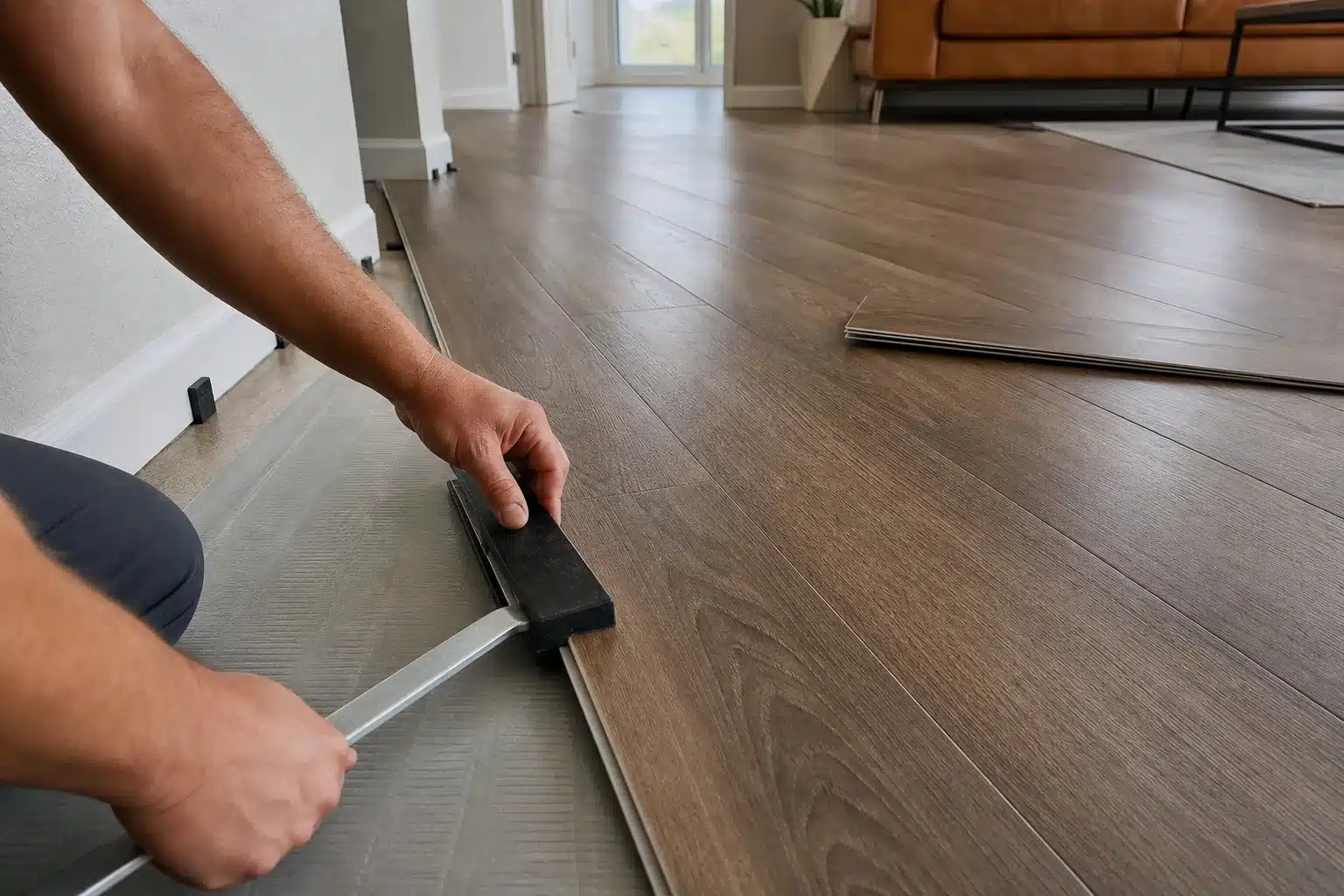
Click-Lock and Glue-Down Planning
The installation method should match the LVP product, traffic level, and subfloor, not just the fastest route to cover the room.
Luxury Vinyl Plank Installer for Homes Rentals Offices and Retail Spaces
LVP works across many property types, but the installation priorities change from one setting to another. In occupied homes, the focus may be furniture movement, pets, dust control, bedrooms that need to be usable quickly, and a plank layout that flows through open living areas. Rental properties often need durable, widely available products that can be matched later if a few planks are damaged between tenants. Offices and retail spaces may need glue-down specifications, entry transitions, chair-mat or rolling-load considerations, and scheduling that limits disruption. In Austin, many projects also involve slab foundations, mixed existing flooring, or previous remodel work that leaves uneven edges between rooms. A useful LVP installer quote should name the product category, installation method, prep assumptions, trim needs, and access constraints. That makes it easier to compare options without treating a rental turnover and a customer-facing office upgrade as the same job.
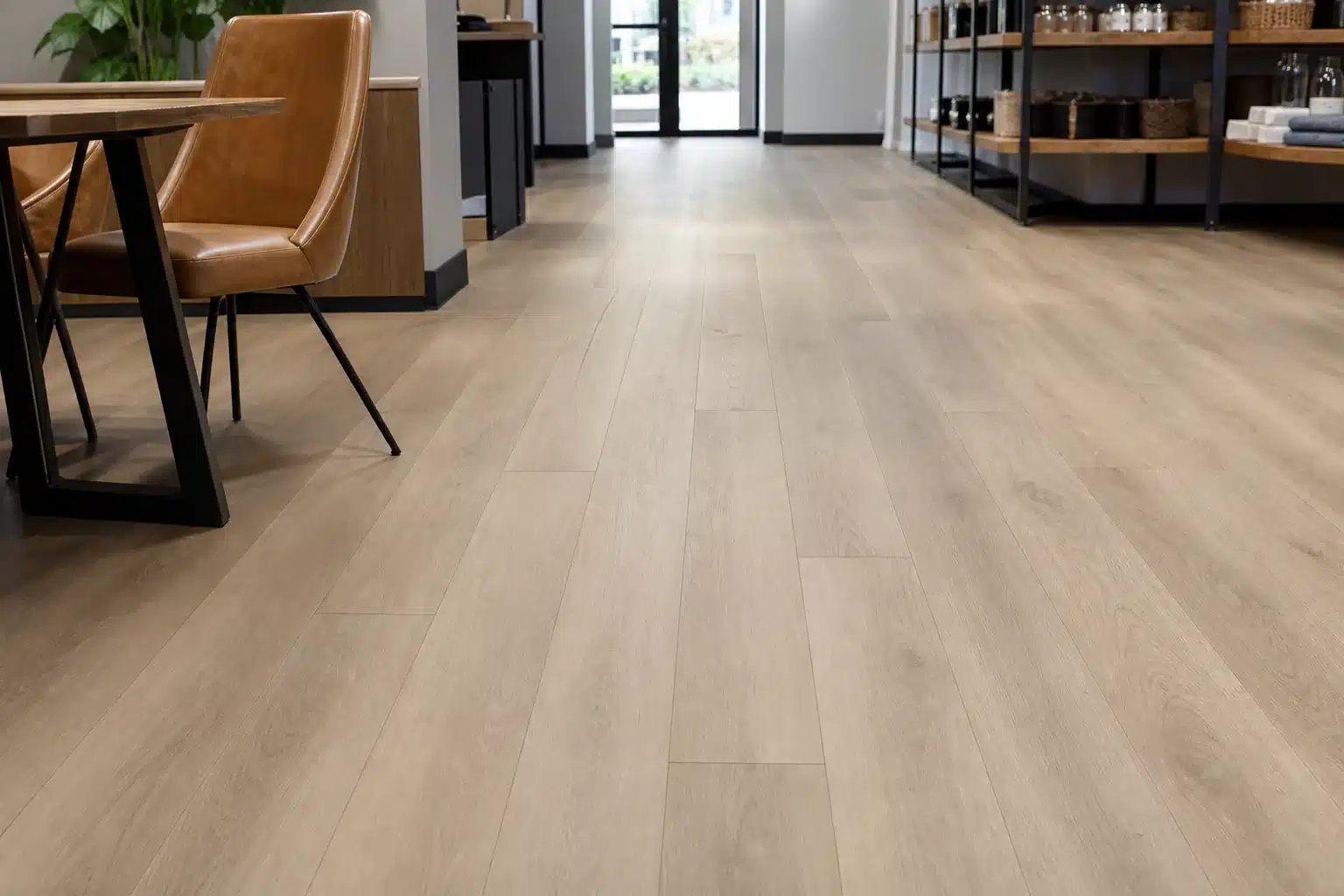
Pet-Friendly and Turnover-Friendly Details
Scratch resistance, spare cartons, waterproof core claims, and easy plank replacement matter more when pets, tenants, or high traffic are part of the project.
SPC vs WPC vs Flexible LVP for Austin TX Projects
SPC, WPC, and flexible LVP are not interchangeable. SPC has a dense stone-polymer core that can feel firm underfoot and is often selected for durability, dimensional stability, and busy spaces. WPC has a wood-polymer core that may feel a little warmer or softer, which some homeowners prefer in bedrooms and living areas. Flexible LVP can be useful in certain glue-down applications, but it usually demands more attention to subfloor smoothness because irregularities can telegraph through the floor. Product thickness alone does not tell the whole story. The locking profile, wear layer, attached pad, finish texture, edge detail, and manufacturer flatness requirements all affect installation success. Austin slab conditions make this choice especially important because high spots, low spots, old adhesive, or residual moisture can influence which product is appropriate. The quote should connect the product choice to the installation conditions rather than simply listing a brand or price per square foot.
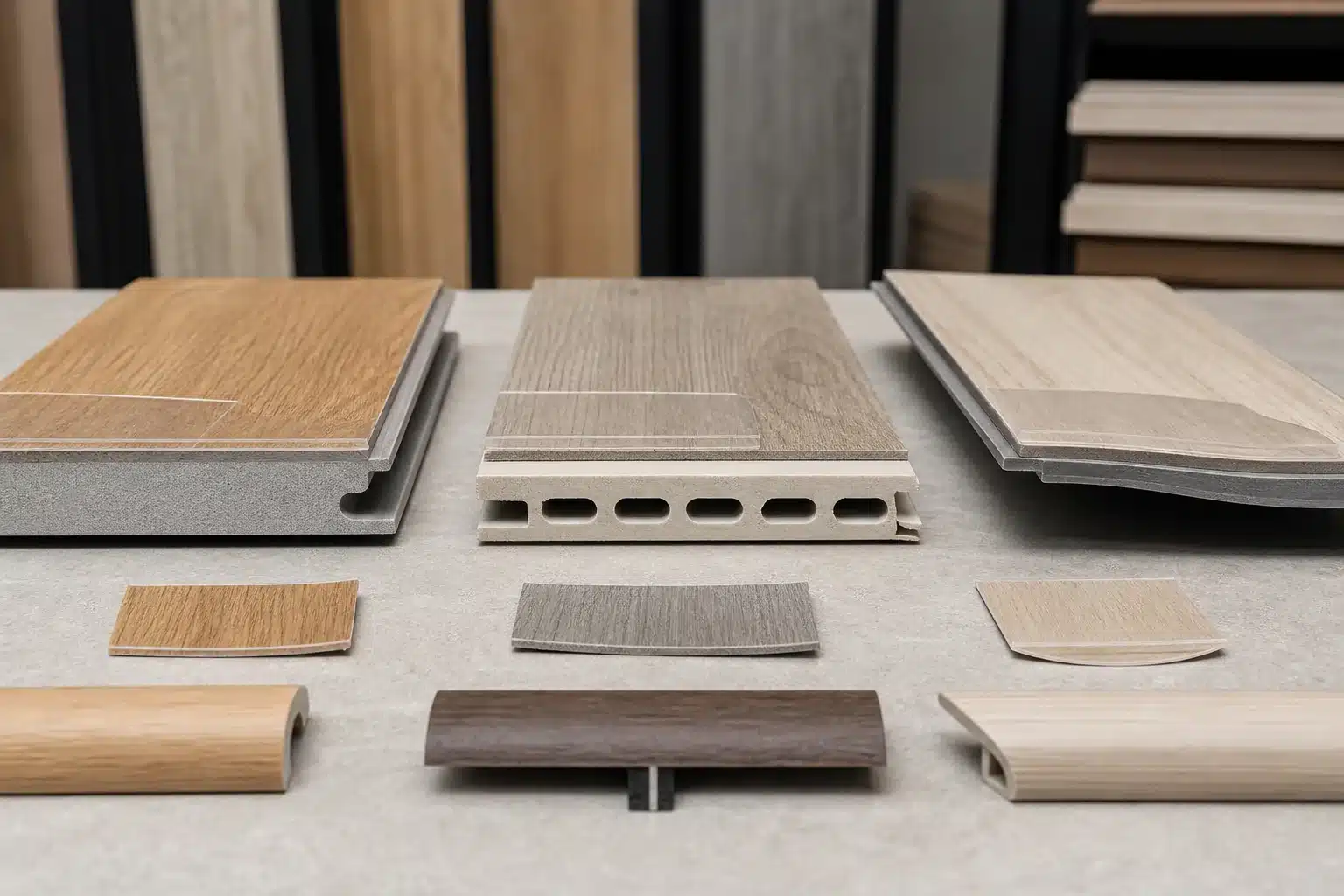
Core Type Affects Prep
Rigid-core products can bridge minor texture better than flexible products, but none of them should be installed over an out-of-tolerance subfloor.
Subfloor Flatness and Moisture Review Before LVP Installation
Most LVP problems begin below the planks. A floor can look ready after old carpet, laminate, tile, or sheet goods are removed, but still have dips, ridges, cracks, old adhesive, soft panels, or moisture concerns that need attention. Flatness matters because floating LVP depends on the locking system staying supported across the room. If the subfloor moves underfoot or the planks span low areas, joints can click, separate, or break. Moisture review matters too, especially over concrete slabs or rooms near exterior doors, bathrooms, kitchens, laundry areas, and commercial entries. The installer should identify whether grinding, patching, skim coat, underlayment, vapor control, or additional evaluation is needed before the floor is installed. This is also where many quote differences appear: one proposal may include realistic preparation, while another may assume a perfect subfloor that does not exist. A clear LVP estimate separates installation labor from subfloor correction so the decision is transparent.
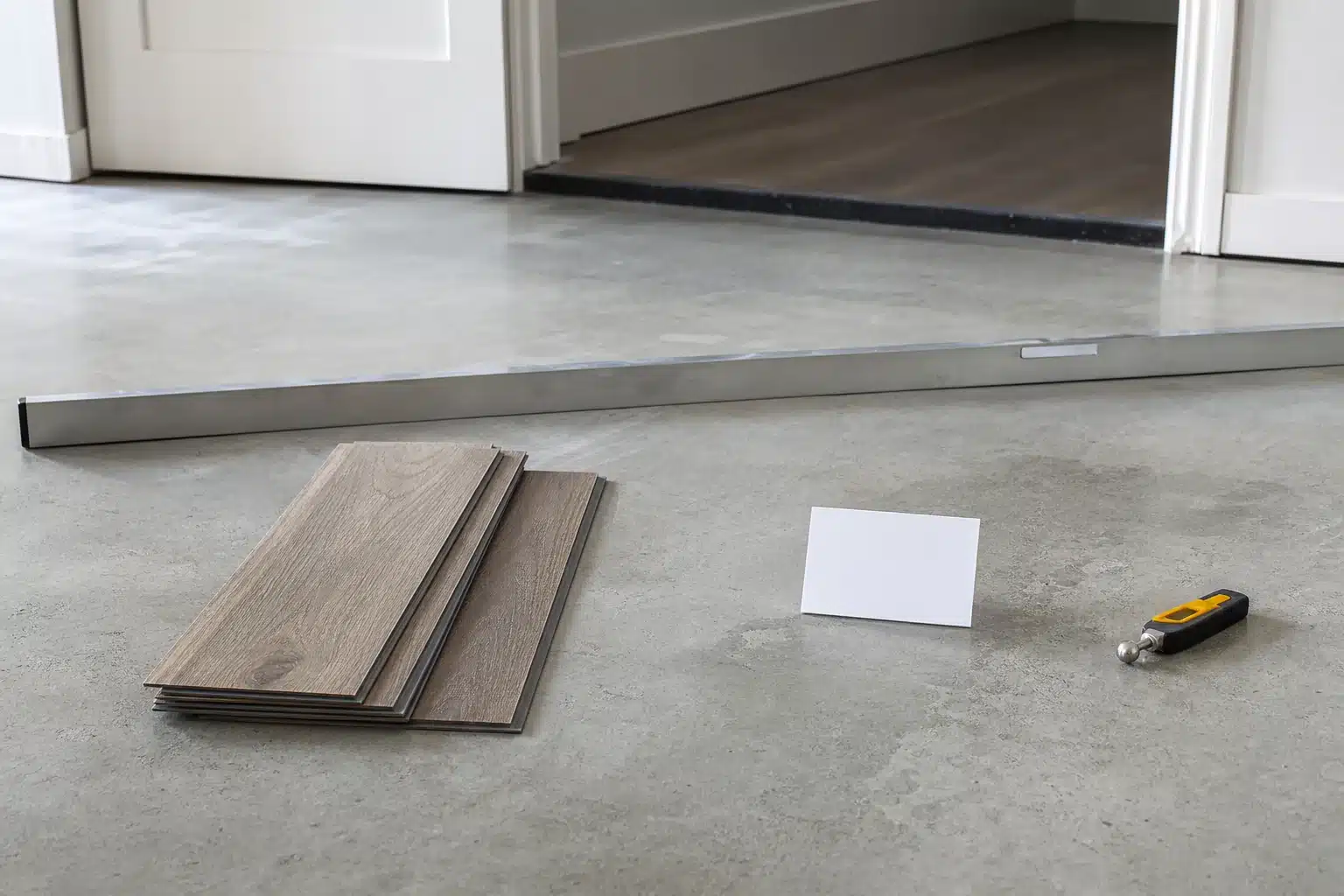
Flatness Is Not the Same as Level
LVP usually needs a surface that is flat within the product tolerance, even if the overall slab is not perfectly level.
Moisture Checks Protect the System
Moisture review helps decide whether the floor, adhesive, underlayment, or vapor-control detail matches the real conditions.
LVP Transitions Trim Stair Noses and Room-to-Room Layouts
The visible finish of an LVP job is often decided at the edges. Doorways, hallway turns, cabinets, fireplaces, sliding doors, stair landings, and changes to tile or carpet all need transition planning before installation begins. Matching stair noses and reducers may need to be ordered with the flooring, and some product lines have limited trim availability. Plank direction also matters. Running planks through multiple rooms can create a cleaner look, but it may require layout decisions around long hallways, narrow rooms, expansion breaks, and where cuts land. Stairs require extra caution because not every LVP product is suitable for every stair detail, and stair noses should be compatible with the plank thickness and manufacturer guidance. A strong installer will discuss these issues before cutting the first row. That prevents mismatched trim, last-minute substitutions, and door clearances that only become obvious after the floor is already down.
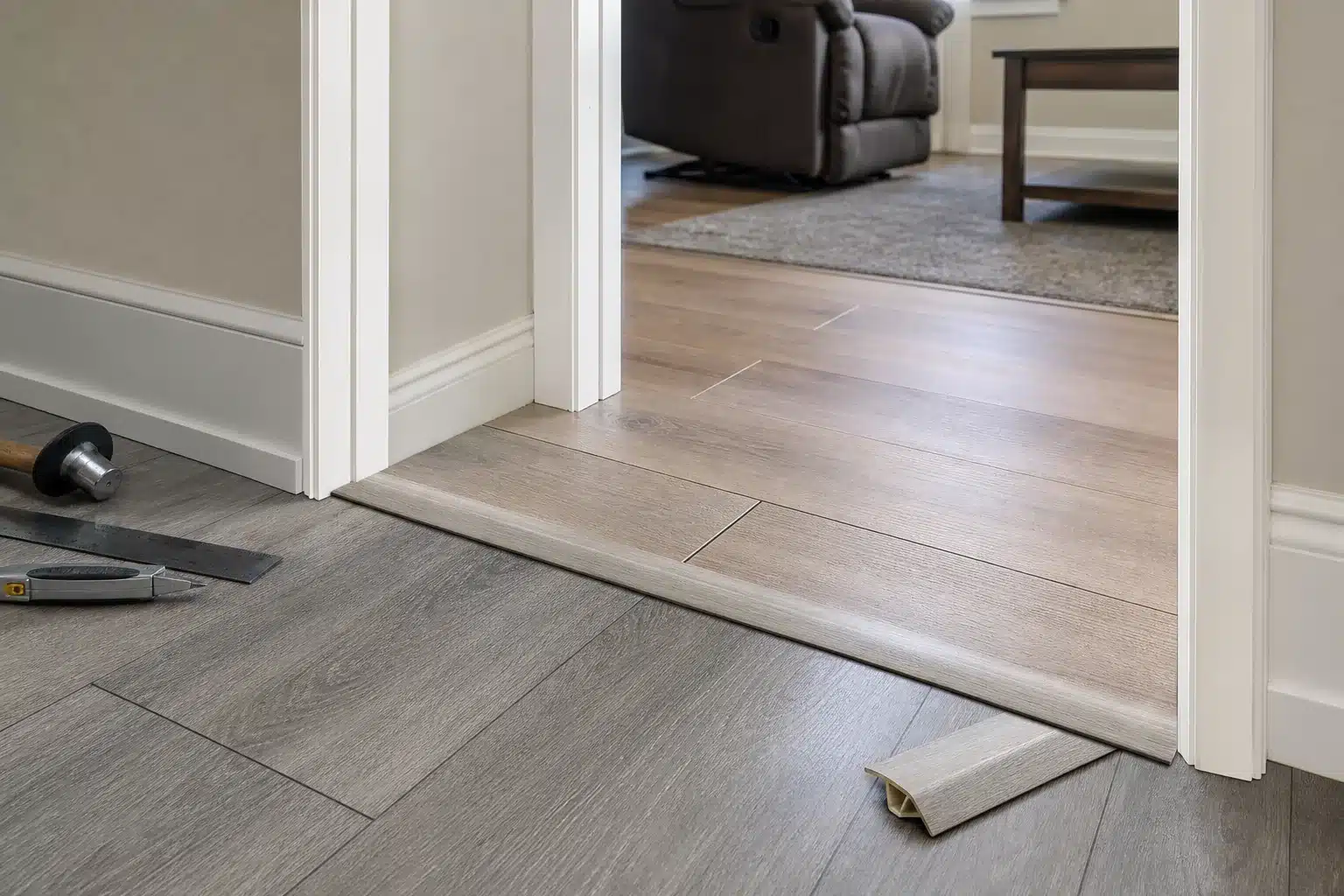
Transitions Should Be Chosen Early
Waiting until installation day to choose reducers, end caps, T-molds, or stair noses can delay the job or force a poor visual match.
LVP Flooring Repair Replacement and Plank Matching
LVP is often easier to repair than many other flooring types, but repairs are only straightforward when the product can still be identified and replacement planks are available. Click-lock floors may require removing planks from the nearest wall or transition to reach a damaged piece, while glue-down plank replacement can be more direct if the adhesive and substrate allow clean removal. Matching is not just about color; thickness, locking profile, bevel, embossing, wear layer, and finish sheen all matter. If the floor came from a discontinued line, a full-area replacement may look better than an obvious patch. For Austin rentals, offices, and pet-friendly homes, keeping extra cartons from the original installation is one of the smartest long-term decisions. A repair quote should document the damaged area, product information, installation method, and whether the issue is surface damage, subfloor movement, moisture, or a failed transition.
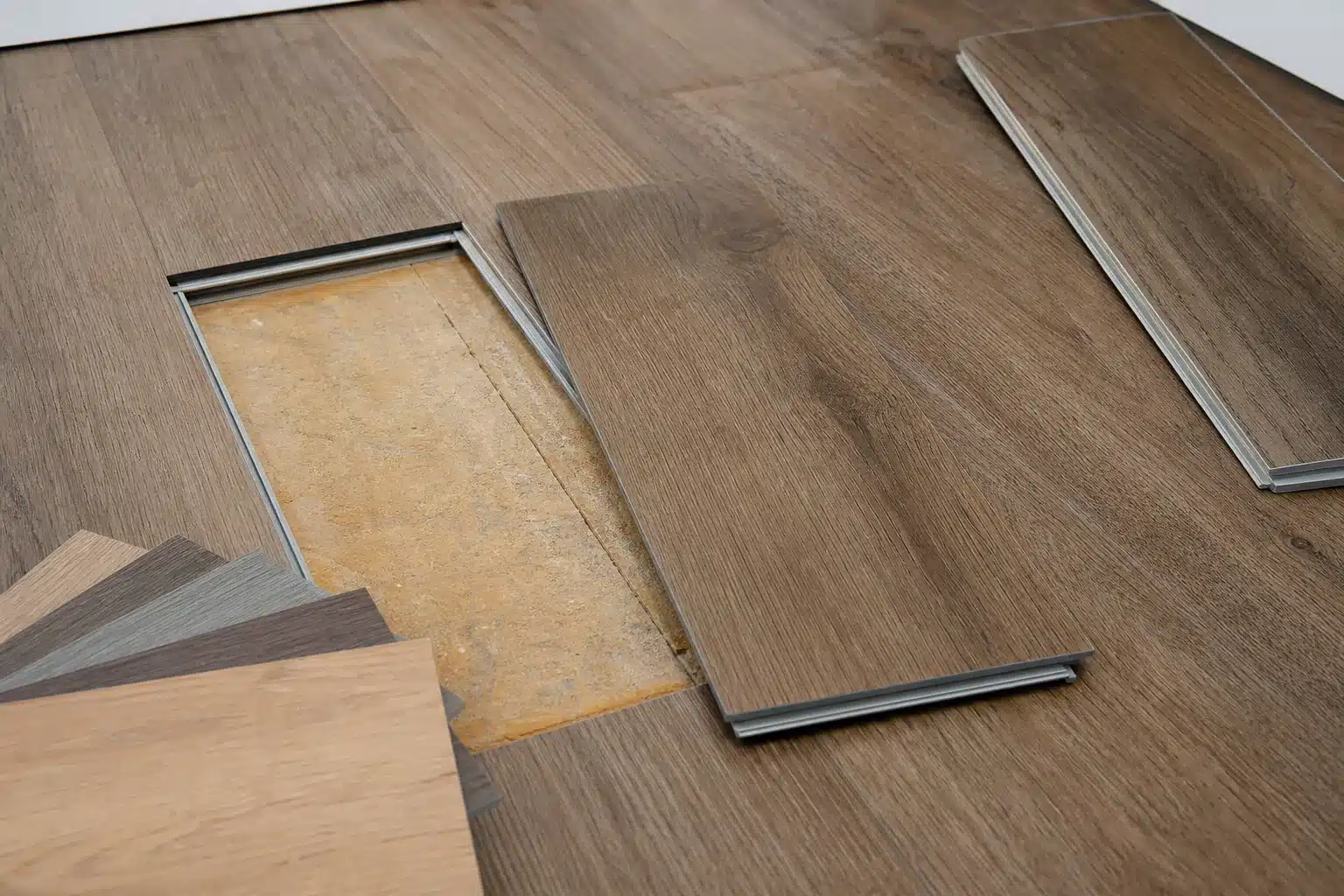
Save Spare Planks
Extra cartons can turn a future damaged plank into a manageable repair instead of a forced room replacement.
LVP Flooring Materials Wholesale Pricing and Product Sourcing
Material sourcing affects more than the first price on the carton. A low-cost LVP can become expensive if matching trim is unavailable, the locking system is weak, the wear layer is too light for the property, or the product requires prep that was not considered during selection. Austin Flooring Company can help compare owner-supplied material, installer-sourced material, wholesale options, and product lines suited for rentals, pets, homes, offices, or retail spaces. The goal is not always the most expensive plank; it is the best fit for the use case and installation conditions. Sourcing should confirm carton quantity, waste factor, dye-lot consistency, stair-nose availability, transition pieces, attached pad requirements, and lead time. For multi-room projects, it is also worth checking whether the product will still be available if a future repair is needed. Better sourcing reduces installation surprises and makes the final quote more reliable.
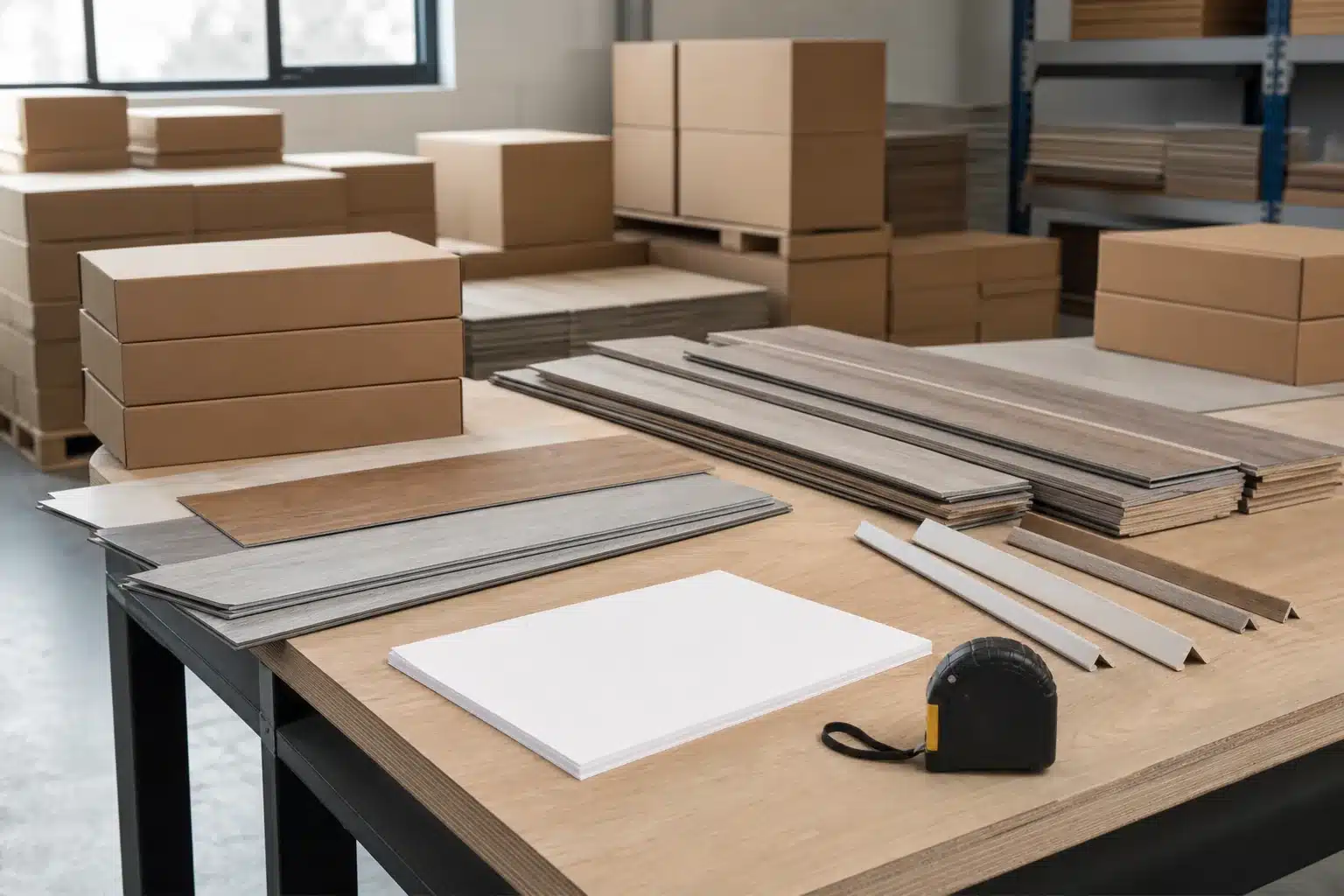
Owner-Supplied Materials Need Review
Installer review can catch missing trims, insufficient waste, incompatible underlayment, or product limits before the schedule is locked.
Request an LVP Flooring Installation Quote in Austin TX
A useful LVP quote starts with the rooms, square footage, product choice, existing flooring, subfloor conditions, and finish expectations. Photos help, but measurements, doorway counts, stairs, closets, appliances, furniture, and transition locations give the installer a clearer picture of the work. If the project involves a rental turnover, office, retail space, or occupied home, scheduling needs should be shared early. If the LVP has already been selected, provide the manufacturer, product line, plank size, installation method, and whether matching trim has been purchased. If the product has not been chosen, the quote request can include priorities such as pet resistance, budget, waterproof performance, comfort underfoot, commercial durability, or fast availability. Austin Flooring Company can then separate material sourcing, prep, installation, trim, stairs, haul-away, and repair considerations so the estimate is easier to compare and less likely to miss important details.
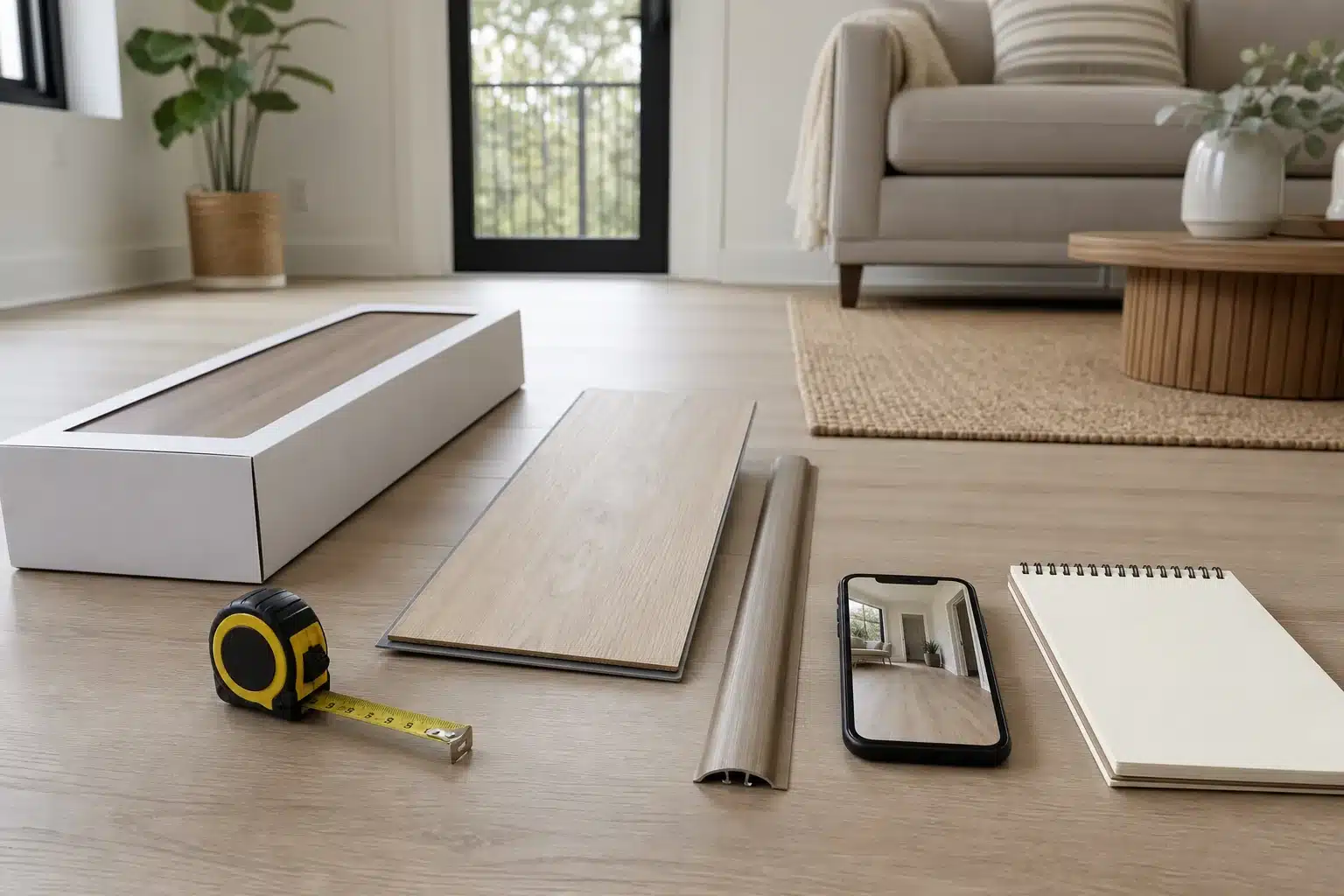
Photos Make the First Estimate Better
Send room views, doorway transitions, existing flooring, problem spots, stairs, and any product labels or cartons already on site.
LVP Flooring Installer FAQs
How do I choose an LVP flooring installer near me in Austin TX?
Choose an LVP installer by looking for evidence that they understand plank layout, subfloor flatness, moisture review, transitions, stair noses, door clearance, and product limitations. A good installer should ask for photos, current flooring type, room dimensions, product details, trim availability, and how the space is used. For a practical Austin TX quote, include room photos, current flooring, approximate measurements, product details if selected, transition views, timing, and any damaged or uneven areas so the scope includes prep instead of surprises. The EPA’s VOC guidance is helpful background when indoor air quality, adhesives, or resilient flooring products are part of the decision.
Does LVP need a flat subfloor before installation?
Yes, LVP usually needs the subfloor to meet the product flatness requirements. Small dips, ridges, old adhesive, uneven tile, cracked patching, or debris can make planks move, separate, click, or show high spots after installation. The installer should review current flooring, slab or subfloor condition, doorways, trims, nearby rooms, access limits, and product instructions before treating the project as a simple square-foot price. A safer next step is to send wide photos, close-ups of edges and damage, material labels, room use, and your deadline so removal, prep, trim, and installation method can be priced separately.
What is the difference between SPC WPC and flexible LVP?
SPC LVP has a dense stone-polymer core that can be stable and indentation-resistant, often useful for slabs, busy homes, offices, and commercial areas. WPC can feel warmer and softer underfoot, while flexible LVP depends more heavily on the surface underneath and installation method. A safer next step is to send wide photos, close-ups of edges and damage, material labels, room use, and your deadline so removal, prep, trim, and installation method can be priced separately.
Can LVP be used in rental homes offices and pet-friendly spaces?
LVP can be a practical option for rentals, offices, retail spaces, and pet-friendly homes when the wear layer, core type, locking system, maintenance expectations, and prep plan match the use. Rental and office projects often need durable products, clean transitions, fast scheduling, and material availability for future plank matching. In Austin homes, rentals, and small commercial spaces, older flooring layers, concrete slabs, pets, moisture, and quick turnover schedules can change the recommendation, so those details should be shared before scheduling.
What affects the cost of LVP flooring installation in Austin TX?
Cost is affected by square footage, current flooring removal, subfloor flatness, moisture concerns, stairs, trim pieces, reducers, door undercuts, layout complexity, product sourcing, furniture, access, and cleanup. The plank itself is only one part of the project. For a practical Austin TX quote, include room photos, current flooring, approximate measurements, product details if selected, transition views, timing, and any damaged or uneven areas so the scope includes prep instead of surprises. The FTC’s home-improvement guidance can also help you compare written estimates, deposits, and project terms before hiring.
Can LVP be installed over tile?
This question matters because LVP performance depends on product construction, flatness, trim planning, room use, and the way the floor connects across nearby spaces. The installer should review current flooring, slab or subfloor condition, doorways, trims, nearby rooms, access limits, and product instructions before treating the project as a simple square-foot price. A safer next step is to send wide photos, close-ups of edges and damage, material labels, room use, and your deadline so removal, prep, trim, and installation method can be priced separately. TCNA’s tile installation resources are helpful background for understanding prep, setting materials, and movement joints.
What can make an LVP floor feel uneven?
This question matters because LVP performance depends on product construction, flatness, trim planning, room use, and the way the floor connects across nearby spaces. A safer next step is to send wide photos, close-ups of edges and damage, material labels, room use, and your deadline so removal, prep, trim, and installation method can be priced separately. In Austin homes, rentals, and small commercial spaces, older flooring layers, concrete slabs, pets, moisture, and quick turnover schedules can change the recommendation, so those details should be shared before scheduling.
Is thicker LVP always better?
This question matters because LVP performance depends on product construction, flatness, trim planning, room use, and the way the floor connects across nearby spaces. In Austin homes, rentals, and small commercial spaces, older flooring layers, concrete slabs, pets, moisture, and quick turnover schedules can change the recommendation, so those details should be shared before scheduling. For a practical Austin TX quote, include room photos, current flooring, approximate measurements, product details if selected, transition views, timing, and any damaged or uneven areas so the scope includes prep instead of surprises.
How should LVP plank direction be planned?
This question matters because LVP performance depends on product construction, flatness, trim planning, room use, and the way the floor connects across nearby spaces. For a practical Austin TX quote, include room photos, current flooring, approximate measurements, product details if selected, transition views, timing, and any damaged or uneven areas so the scope includes prep instead of surprises. The installer should review current flooring, slab or subfloor condition, doorways, trims, nearby rooms, access limits, and product instructions before treating the project as a simple square-foot price.
What photos help with an LVP quote?
This question matters because LVP performance depends on product construction, flatness, trim planning, room use, and the way the floor connects across nearby spaces. The installer should review current flooring, slab or subfloor condition, doorways, trims, nearby rooms, access limits, and product instructions before treating the project as a simple square-foot price. A safer next step is to send wide photos, close-ups of edges and damage, material labels, room use, and your deadline so removal, prep, trim, and installation method can be priced separately.
How should I prepare before LVP Flooring Installer in Austin TX starts?
Move small belongings, fragile items, and anything stored on the floor before the crew arrives. For lVP Flooring Installer in Austin TX, it also helps to confirm parking, elevator access, pets, and the rooms that need to stay usable during the project.
Can LVP Flooring Installer in Austin TX be done over an existing floor?
Sometimes it can, but the existing floor has to be stable, clean, flat, dry, and compatible with the new material. A quick site review is the safest way to decide whether removal or additional prep is needed first.
What subfloor issues should be checked first?
Uneven slab areas, loose boards, squeaks, old adhesive, moisture marks, cracks, and soft spots should be reviewed before materials are ordered. Catching those issues early keeps the finished floor flatter, quieter, and more durable.
How do pets, kids, or heavy traffic affect the flooring choice?
Busy homes usually need materials that handle scratches, spills, cleaning, and repeated foot traffic well. The best choice may be different for bedrooms, stairs, kitchens, rental units, and main living areas.
What affects the cost of LVP Flooring Installer in Austin TX in the Austin area?
Cost depends on material, square footage, demolition, subfloor prep, trim, transitions, stairs, layout complexity, and whether furniture or appliances need to be moved. A written estimate should separate those items clearly enough to compare options.
Related Austin Flooring Company Services
- Texas Flooring Installers: Parent hub for Austin flooring installer pages.
- Laminate Flooring Installer in Austin TX: Related material-specific page for comparison and cannibalization control.
- Luxury Vinyl Plank Installation Services in Austin TX: Related material-specific page for comparison and cannibalization control.
- Vinyl Flooring Installer in Austin TX: Related material-specific page for comparison and cannibalization control.
- Request a Flooring Quote: Send photos, measurements, material details, and timing.
- Contact Austin Flooring Company: Ask questions before requesting a quote.
Related Austin Flooring pages
These related pages may help with the next step in planning this flooring project.