
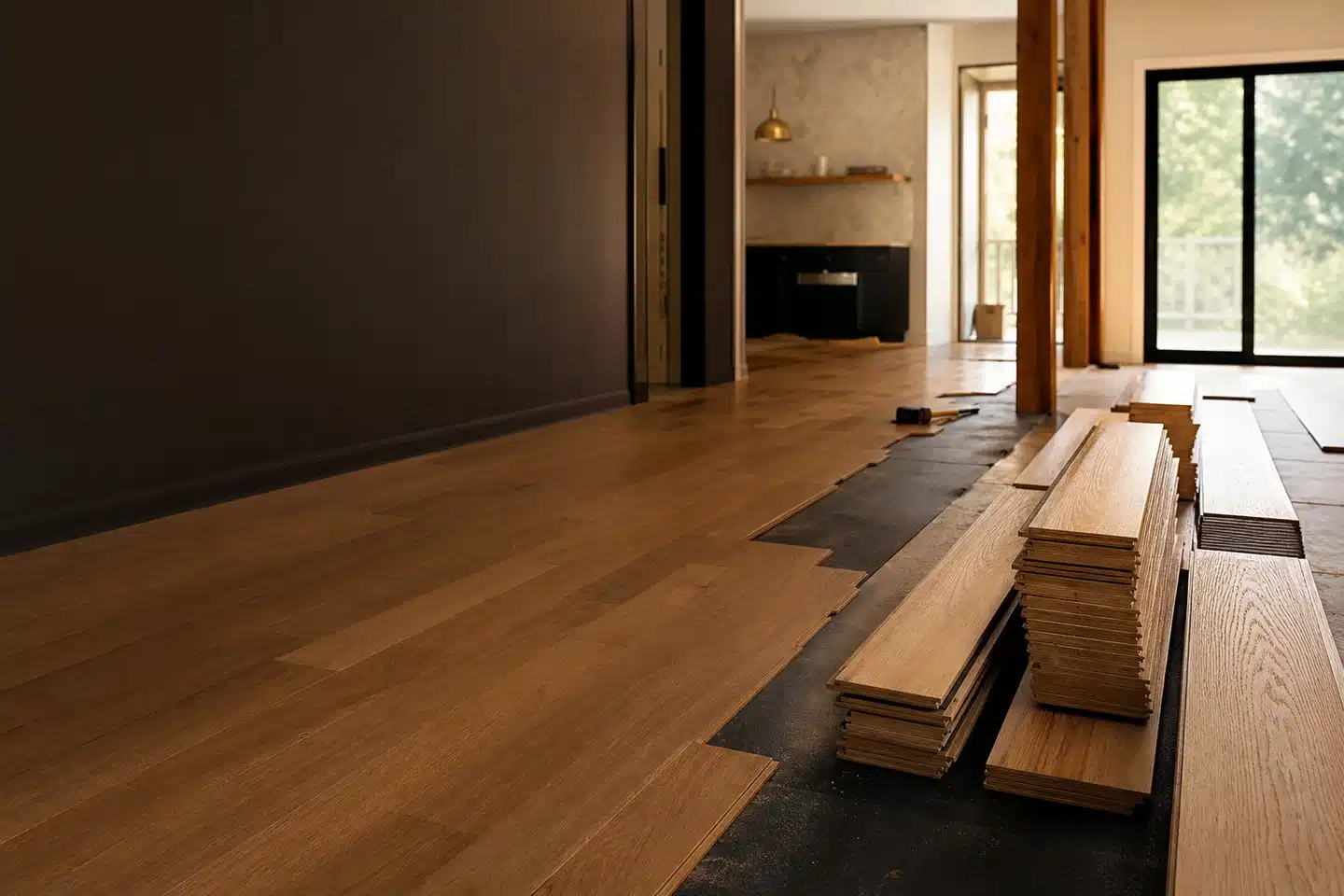
Austin flooring services
Floor Replacement Contractor in Austin TX
Floor Replacement Contractor in Austin TX — Floor replacement contractor help for Austin spaces where existing floors need removal, replacement planning, and clean installation.
- Licensed & Insured
- Locally Trusted
- Fast Estimates
- 5-Star Rated
Replacing a floor is different from simply choosing a new material. A good floor replacement contractor in Austin TX has to look at why the existing floor failed, what is underneath it, how removal will affect baseboards and transitions, and whether the next product fits the way the property is used. Austin homes, rentals, offices, and small commercial spaces often involve concrete slabs, old adhesive, pet damage, tenant turnover, water events, height changes between rooms, and tight scheduling around occupied spaces. Austin Flooring Company helps compare repair versus full replacement, plan demolition and disposal, review subfloor concerns, and narrow material choices before work begins. If you already know the rooms, approximate square footage, current flooring type, and desired replacement material, you can request a quote with useful details from the start. If you are not sure whether the floor can be saved, call the phone CTA or use the quote form so the scope can be reviewed without guessing. The goal is a cleaner replacement plan, fewer surprises, and a finished floor that fits the property instead of repeating the same problems.
How this page is different: This page is for replacement decisions, demolition, haul-away, subfloor correction, transitions, and material upgrade planning. It should not read like a general installer page or a single-material page. It helps a homeowner, landlord, business, or property manager decide whether old flooring should be removed and replaced, what the removal scope includes, and what information is needed for an accurate replacement quote.
Floor Replacement Services in Austin TX

Floor replacement services begin with the existing floor, not the new product sample. The first step is identifying what needs to come out: carpet, laminate, vinyl, LVP, tile, glue-down wood, damaged underlayment, or layers from older remodels. In Austin TX properties, replacement often also involves slab review, doorway transitions, trim decisions, appliance movement, dust control, and a clear plan for disposal. A replacement contractor should explain whether the quote includes removal, haul-away, floor prep, leveling, moisture review, material installation, trims, and cleanup. That matters because a low installation-only price can miss the most disruptive part of the project. Homeowners may need one room replaced after water damage, while rental owners may need durable flooring across a turnover unit. Businesses may need phased work to keep part of the space open. A useful replacement plan turns a messy existing floor into a defined scope before materials are ordered.
- Current flooring type and number of layers
- Removal, haul-away, prep, installation, and cleanup scope
- Room access, furniture, appliances, trim, and transition needs
When to Replace Flooring Instead of Repairing It

Repair makes sense when damage is limited, matching material is available, and the subfloor is still sound. Replacement becomes the better path when wear is spread across traffic lanes, seams are lifting in several areas, planks are swollen, pet odor has reached underlayment, moisture damage is hidden below the surface, or old material cannot be matched cleanly. In Austin TX homes and rentals, the decision is often practical: will a repair look like a patch, or will it buy enough time to justify the cost? Replacement can also solve layout problems that repairs cannot, such as awkward transitions, uneven room heights, outdated carpet in high-use spaces, or flooring that no longer fits pets, children, tenants, or business traffic. A decision tree should compare damage extent, remaining product life, subfloor condition, material availability, and future use. The right answer is not always the most expensive one; it is the option that avoids paying twice.
- Repair: isolated damage, available matching material, stable subfloor
- Replace: widespread wear, moisture, odor, swelling, or poor previous install
- Review cost now versus the risk of repeated service calls
Floor Removal Demolition and Disposal Planning
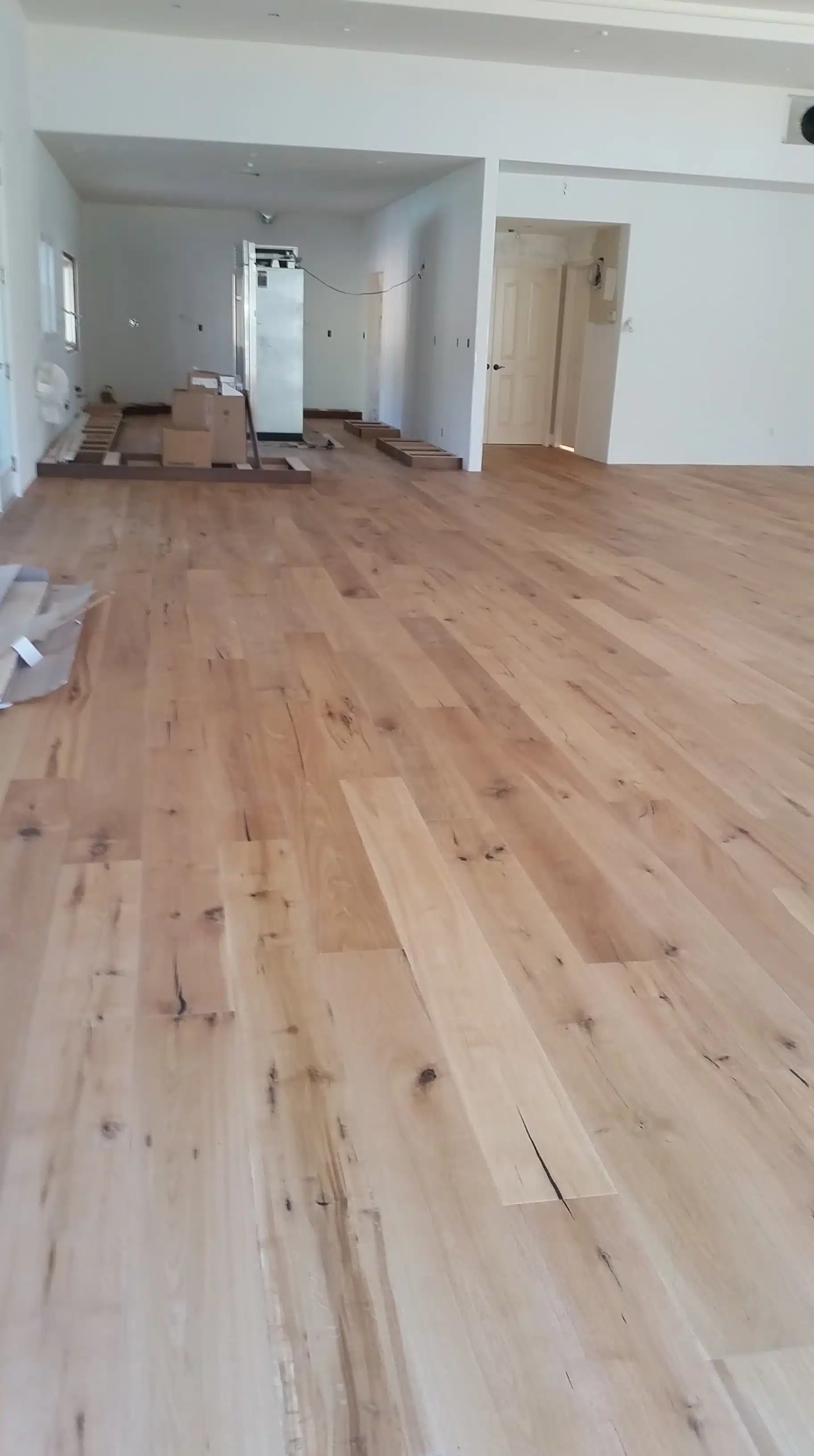
Floor removal can be the part of the project that most affects schedule, noise, dust, and final cost. Carpet may come out quickly, but glued vinyl, tile, thinset, adhesive residue, staples, tack strips, and damaged underlayment can add labor and prep time. Demolition planning should identify what is being removed, how debris will be contained, where disposal will happen, and whether occupied rooms need temporary access. In Austin TX condos, rentals, and businesses, this planning also helps reduce disruption for neighbors, tenants, customers, and staff. A clear quote should separate removal and disposal from installation so the customer understands what is included. The plan should also account for baseboards, doors, appliances, toilets, closet tracks, and transitions that may be affected during tear-out. Good demolition is controlled, not rushed. The purpose is to remove failing material without creating avoidable subfloor damage or leaving hidden residue that compromises the new floor.
- Debris containment and haul-away expectations
- Glue, thinset, tack strip, staple, and underlayment removal
- Access planning for occupied homes, rentals, offices, and retail spaces
Replacement Flooring Options for Austin Homes and Rentals

Replacement is a chance to choose a material that fits the next several years of use, not just the current damage. LVP is popular for rentals, pets, kitchens, laundry rooms, and high-traffic homes because it balances durability, moisture resistance, and design options. Laminate may fit budget-focused updates where standing water is not expected. Sheet vinyl can work in utility areas or value-driven rental turns. Engineered hardwood offers a real wood surface with more slab-friendly construction than many solid wood applications. Solid hardwood may be best for premium rooms where long-term refinishing value matters and site conditions support it. For Austin TX properties, the right replacement option depends on slab condition, room moisture, sunlight, pets, tenant use, expected resale impact, and the height of adjacent floors. The contractor should explain tradeoffs plainly so the replacement does not duplicate the weakness of the floor being removed.
- Durable rental turns: LVP, laminate, or sheet vinyl by room risk
- Premium upgrades: engineered hardwood or solid hardwood when conditions fit
- Quote factors: square footage, transitions, subfloor prep, trim, and disposal
Subfloor Repair and Leveling Before Floor Replacement

The new floor is only as stable as the surface below it. Once old flooring is removed, the replacement plan may reveal cracks, dips, humps, old adhesive, moisture stains, soft underlayment, squeaks, or damaged areas around doors, tubs, refrigerators, and exterior walls. Austin TX properties with concrete slabs need attention to flatness and moisture before floating, glue-down, or vinyl products are installed. Wood subfloors may need fastening, patching, panel replacement, or underlayment correction. Skipping this step can lead to hollow spots, separated planks, telegraphed texture, clicking sounds, premature wear, or transitions that never sit right. A responsible replacement quote should explain what prep is included and what would be handled as a discovered condition after removal. That protects both the customer and the installer. Leveling and repair are not cosmetic extras; they are the foundation for a replacement floor that performs as expected.
- Concrete slab flatness, moisture, cracks, and adhesive residue
- Wood subfloor squeaks, soft spots, panels, and underlayment
- Prep allowances versus discovered conditions after tear-out
Floor Replacement Contractor for Businesses and Property Managers

Business and property manager floor replacement usually has different priorities than a single-room residential update. The project may need fast scheduling, repeatable material selections, documentation for approval, after-hours work windows, phased access, and predictable cleanup. Rental owners often want durable products that can handle tenant turnover, pets, rolling furniture, and easy maintenance without overspending on features the unit does not need. Offices and retail spaces need flooring that looks professional, manages traffic, and limits downtime. In Austin TX, property managers may also coordinate multiple vendors, keys, elevator access, parking, or tenant communication. A replacement contractor should help define room lists, material quantities, demolition needs, transition details, and disposal before the work is scheduled. Clear scope prevents friction when one unit has hidden damage or a business space needs a change in sequence. The best replacement plan respects both the floor and the operating needs of the property.
- Rental turnover and portfolio material consistency
- Office, retail, and commercial scheduling around open hours
- Documentation for bids, approvals, access, and phased work
Flooring Materials Wholesale Pricing Bulk Deals and Supply Options

Material sourcing can affect the total replacement cost, timeline, and long-term satisfaction. Some customers already have a product selected, while others need help comparing LVP, laminate, vinyl, engineered hardwood, or hardwood options that match the replacement scope. Bulk or wholesale-oriented supply options may help larger homes, rental portfolios, and commercial spaces control cost, but the lowest material price is not always the best value. A product still has to fit the subfloor, room moisture, wear expectations, installation method, and transition heights. Replacement projects also need enough overage for cuts, closets, waste, attic storage, and future repairs. In Austin TX, availability matters because a delayed or discontinued product can stall a turnover or leave a partial project unfinished. A useful contractor conversation covers color, construction, wear layer or finish, installation compatibility, lead time, freight, trims, stair parts, and return policies before material is purchased.
- Compare installed value, not just box price
- Confirm trims, transitions, stair parts, and overage
- Plan lead times for rentals, businesses, and larger replacements
Looking for Floor Replacement Near Me in Austin TX

Searching for floor replacement near me usually means the existing floor has become a daily problem: damaged planks, stained carpet, lifting vinyl, cracked tile, pet odor, or a surface that makes the property feel dated. Local planning matters because Austin TX replacement projects often deal with concrete slabs, busy remodel schedules, rental deadlines, and homes where people are still living during the work. A nearby replacement service should be able to discuss the neighborhood or property type without turning the page into a list of repeated city names. The more useful question is whether the contractor understands access, parking, disposal, material delivery, humidity, slab conditions, and realistic scheduling. Before requesting a quote, collect photos from several angles, a room list, approximate square footage, the current floor type, and any known water or odor history. That gives the estimator enough context to recommend repair, partial replacement, or full replacement without guesswork.
- Useful photos: wide room views, damage closeups, transitions, and subfloor concerns
- Share timing needs, access restrictions, and whether the property is occupied
- Ask whether removal, disposal, prep, and trims are included
Request a Floor Replacement Quote in Austin TX
A strong floor replacement quote should do more than give a square-foot price. It should clarify what flooring comes out, what material goes in, how demolition and disposal are handled, what subfloor preparation is expected, and which items could change after tear-out. For Austin TX homeowners, landlords, and businesses, the quote request should include the property type, room list, approximate dimensions, current flooring, preferred replacement material, photos, timeline, furniture situation, and any concerns about moisture, odor, pets, or uneven areas. The phone CTA is best when the project is urgent, involves water damage, or has scheduling pressure. The quote form works well when you can upload details and compare options calmly. After the scope is reviewed, the next step should be a practical conversation about repair versus replacement, material fit, prep needs, and installation sequencing. The goal is not a vague estimate; it is a replacement plan you can approve with confidence.
- Send room list, photos, square footage, and current floor type
- Note demolition, disposal, subfloor, trim, and transition questions
- Use the phone CTA for urgent or schedule-sensitive replacement work
Repair vs Replace Decision Table
| Condition | Repair may fit | Replacement is safer when |
|---|---|---|
| Localized damage | Matching material is available and subfloor is sound | Damage repeats across rooms or material is discontinued |
| Moisture or adhesive failure | Cause is fixed and affected area is small | Old layers hide soft spots, mold risk, or widespread bond failure |
| Outdated flooring | Cosmetic issue is minor | Transitions, height, value, and durability all need reset |
Floor Replacement Quote Checklist
- Room list and approximate square footage
- Photos of current flooring, subfloor concerns, transitions, stairs, closets, and exterior doors
- Material preference, product name, or decision questions
- Removal, disposal, furniture, trim, and access expectations
- Timing, deadline, property type, and whether the space is occupied or operating
Removal Replacement and Cleanup Process
- Scope review: Confirm rooms, material, use case, current floor, access, and timing before treating the quote as final.
- Prep review: Separate visible conditions from items that may require on-site inspection after removal.
- Installation plan: Document transitions, trim, product requirements, cleanup, and change-order handling.
- Closeout: Review visible finish details, care guidance, and spare material recommendations.
Floor Replacement Contractor in Austin TX FAQs
How do I know if my floor should be replaced instead of repaired?
Replacement usually makes sense when the damage is widespread, the material is discontinued, moisture or odor has reached below the surface, or a repair would leave an obvious patch. Repair may still be reasonable for one damaged plank, a small seam issue, or a limited section of carpet. The decision should include product age, subfloor condition, matching availability, room use, and whether the existing floor has repeated problems. A quote review can compare both paths before you commit. The FTC’s home-improvement guidance can also help you compare written estimates, deposits, and project terms before hiring.
Does floor replacement include removal and disposal of the old flooring?
It should be clearly stated in the quote, because removal and disposal are not the same as installation. Carpet, tile, glue-down vinyl, laminate, and wood all require different removal labor and debris handling. Some projects also involve tack strips, staples, old adhesive, thinset, or damaged underlayment. Ask whether tear-out, haul-away, cleanup, and dump or disposal costs are included. A transparent replacement scope separates those items so you can compare quotes fairly. The EPA’s asbestos guidance is useful background before disturbing older floors or unknown backing materials.
What information helps get an accurate Austin TX floor replacement quote?
Useful quote details include the rooms being replaced, approximate square footage, current flooring type, preferred new material, photos of the rooms, closeups of damage, transition areas, and any known moisture or pet odor issues. Also mention whether the property is occupied, whether furniture or appliances must be moved, and your timeline. For rentals or businesses, include access limitations and scheduling needs. These details help identify demolition, disposal, subfloor prep, and material requirements early.
Can only part of a floor be replaced?
Partial replacement is possible when the damaged area is contained and a compatible material can be matched or intentionally transitioned. It works best in closets, single rooms, bedrooms, or defined areas separated by doorways. It becomes harder in open plans where color, height, plank width, and locking systems need to align. If a patch will look distracting or create a weak transition, full room replacement may be cleaner. The quote should explain both visual and practical tradeoffs.
What happens if subfloor damage is found after removal?
Subfloor issues are sometimes hidden until the old flooring is removed. The contractor should pause, document the concern, and explain repair options before covering it. Common discoveries include soft wood panels, slab cracks, old adhesive, uneven areas, moisture staining, or damage near appliances and exterior doors. Some prep may already be included in the quote, while larger repairs may need approval as a discovered condition. Covering damage without correction can shorten the life of the replacement floor. The USDA Forest Products Laboratory’s Wood Handbook is a useful background read for understanding wood movement, moisture, and product performance.
Which replacement flooring is best for Austin TX rental properties?
Many rental owners choose LVP, laminate, or sheet vinyl depending on budget, room moisture, tenant turnover, and expected wear. LVP is often a strong fit for pets, kitchens, and higher traffic because it balances durability and appearance. Laminate can be cost-effective in dry areas but needs careful moisture expectations. Sheet vinyl may work for utility or value-driven spaces. The best choice also depends on subfloor condition, transition heights, product availability, and how easy future repairs will be.
How disruptive is floor replacement in an occupied home?
Disruption depends on the rooms, removal difficulty, furniture, dust control, and whether the new material needs adhesive, acclimation, or staged access. Bedrooms and single rooms are easier to isolate than whole-home replacements. Kitchens, laundry rooms, and bathrooms may involve appliance or fixture coordination. A good plan defines work zones, walking paths, debris handling, cleanup expectations, and whether pets or children need to stay away from the area. Occupied projects benefit from clear sequencing before demolition begins. The EPA’s mold and moisture guidance is useful background when a room has water exposure, slab moisture, or prior leaks.
Can new flooring be installed over the old flooring?
Sometimes, but it is not automatically the right choice for replacement. Existing flooring must be stable, clean, flat, dry, and compatible with the new product. Installing over old material can create height problems at doors, appliances, cabinets, and transitions. It can also trap hidden moisture, odor, or loose areas underneath. If the current floor is failing, swollen, curling, cracked, or contaminated, removal is usually the safer path. The quote should explain why overlay is accepted or rejected.
Do baseboards and transitions need to be replaced during floor replacement?
Not always, but they need to be considered. Some projects can reuse existing baseboards with shoe molding or careful trim work, while others look cleaner with removal and reset. Transitions often need replacement because the new floor may have a different height, thickness, or edge profile. Doorways, stair noses, sliding door tracks, and tile connections should be reviewed before installation. If trim and transitions are missing from the quote, the finished floor may feel incomplete.
How is this different from a regular flooring installation page?
A regular flooring installation page focuses mainly on putting in a selected product. This replacement page focuses on the old floor first: whether it should be repaired or removed, what demolition involves, how debris is handled, what subfloor problems may appear, and which new material solves the reason the old floor failed. That difference matters for Austin TX properties with worn rental flooring, pet damage, water events, outdated surfaces, adhesive residue, or uneven transitions between rooms.
What signs point to full floor replacement?
Widespread damage, worn surfaces, soft spots, repeated repairs, moisture issues, outdated material, or mismatched rooms can point toward full floor replacement.
Can replacement include removing carpet?
Yes. Carpet removal can be part of a replacement project, but tack strips, pad, subfloor condition, transitions, doors, and disposal need to be reviewed. The Carpet and Rug Institute’s carpet resources are helpful background for comparing fibers, cushion, and care expectations.
What happens if subfloor damage is found during replacement?
Subfloor damage should be documented and addressed before new flooring is installed. The exact repair depends on material, extent of damage, and structural conditions.
Can floor replacement improve property value?
A well-planned replacement can improve appearance, function, maintenance, and buyer or tenant appeal, especially when the material fits the property and room use. NAR’s remodeling research can help frame flooring updates around resale expectations and owner enjoyment.
Should replacement be done before or after other remodeling work?
Floor replacement timing depends on cabinets, paint, trim, baseboards, appliances, trade sequencing, and whether the new floor needs protection during other work.
Related Austin Flooring Company Services
Related Austin Flooring pages
These related pages may help with the next step in planning this flooring project.