
Austin flooring services
Hardwood Floor Installer in Austin TX
Hardwood Floor Installer in Austin TX — Hardwood floor installer help for Austin projects that need natural wood beauty, careful prep, and clean long-term installation.
- Licensed & Insured
- Locally Trusted
- Fast Estimates
- 5-Star Rated
A hardwood floor installer in Austin TX has to plan for more than the beauty of the boards. Wood flooring responds to moisture, slab conditions, indoor climate, product construction, installation method, and the way each room is used. Solid hardwood can bring long-term value and refinishing potential, but it may not be right for every concrete slab or moisture-prone area. Engineered hardwood may solve some site limitations while still delivering a real wood surface. Austin Flooring Company helps homeowners, remodelers, and property owners compare solid versus engineered wood, review acclimation needs, choose nail, glue, or floating methods, and decide whether an existing floor should be refinished instead of replaced. The process should include subfloor review, transition planning, trim details, and a quote that explains what is included before materials are ordered. If you are comparing wood species, finish sheen, plank width, or installation methods, use the quote form for a written scope. If timing, moisture, or existing floor damage is urgent, call the phone CTA for the fastest next step.
How this page is different: This page is for hardwood installation planning, acclimation, moisture review, installation methods, species and finish decisions, and when refinishing is smarter than replacement. It should stay distinct from the engineered hardwood page by covering solid hardwood and method selection broadly, while still explaining where engineered hardwood is the better slab-friendly choice.
Hardwood Floor Installation Services in Austin Texas
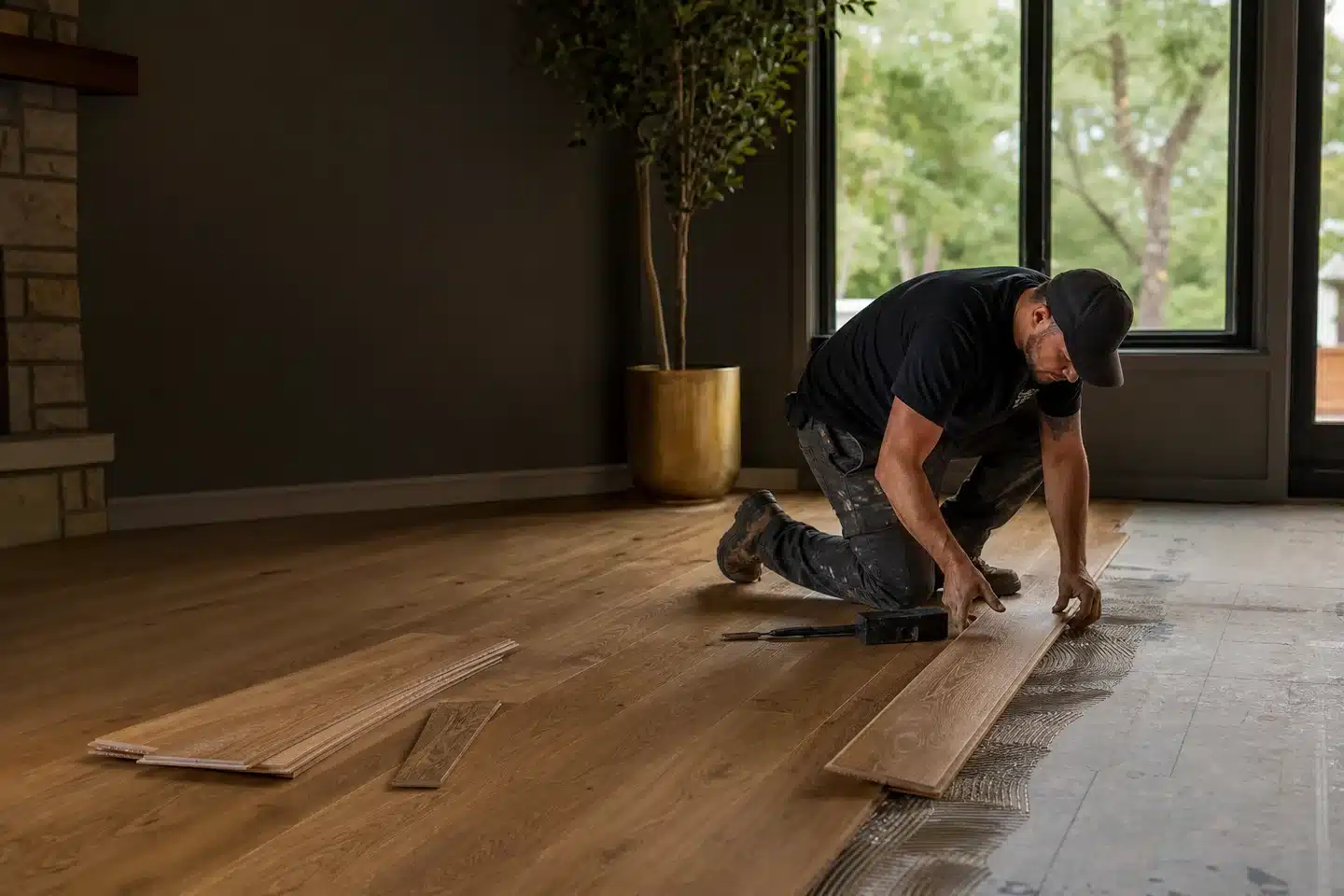
Hardwood floor installation services cover product planning, subfloor review, acclimation, layout, installation method, trim, transitions, and cleanup. The work can include solid hardwood, engineered hardwood, unfinished wood, prefinished boards, nail-down systems, glue-down applications, or floating products depending on the property. In Austin TX, the planning stage matters because many homes have concrete slabs, remodel additions, mixed floor heights, and indoor humidity changes that affect wood movement. A hardwood installer should review room use, pets, sunlight, moisture exposure, plank width, finish expectations, and whether adjacent floors need a flush or reduced transition. Installation is not just laying boards in a straight line; it is building a system that respects the wood. A clear quote should explain what preparation is included, what materials are supplied, how boards will be acclimated, and how details such as baseboards, stair noses, thresholds, and vents will be handled.
- Solid, engineered, prefinished, and unfinished wood options
- Layout, acclimation, subfloor, trim, and transition planning
- Room use, pets, sunlight, and moisture considerations
Solid Hardwood vs Engineered Hardwood for Austin TX Projects
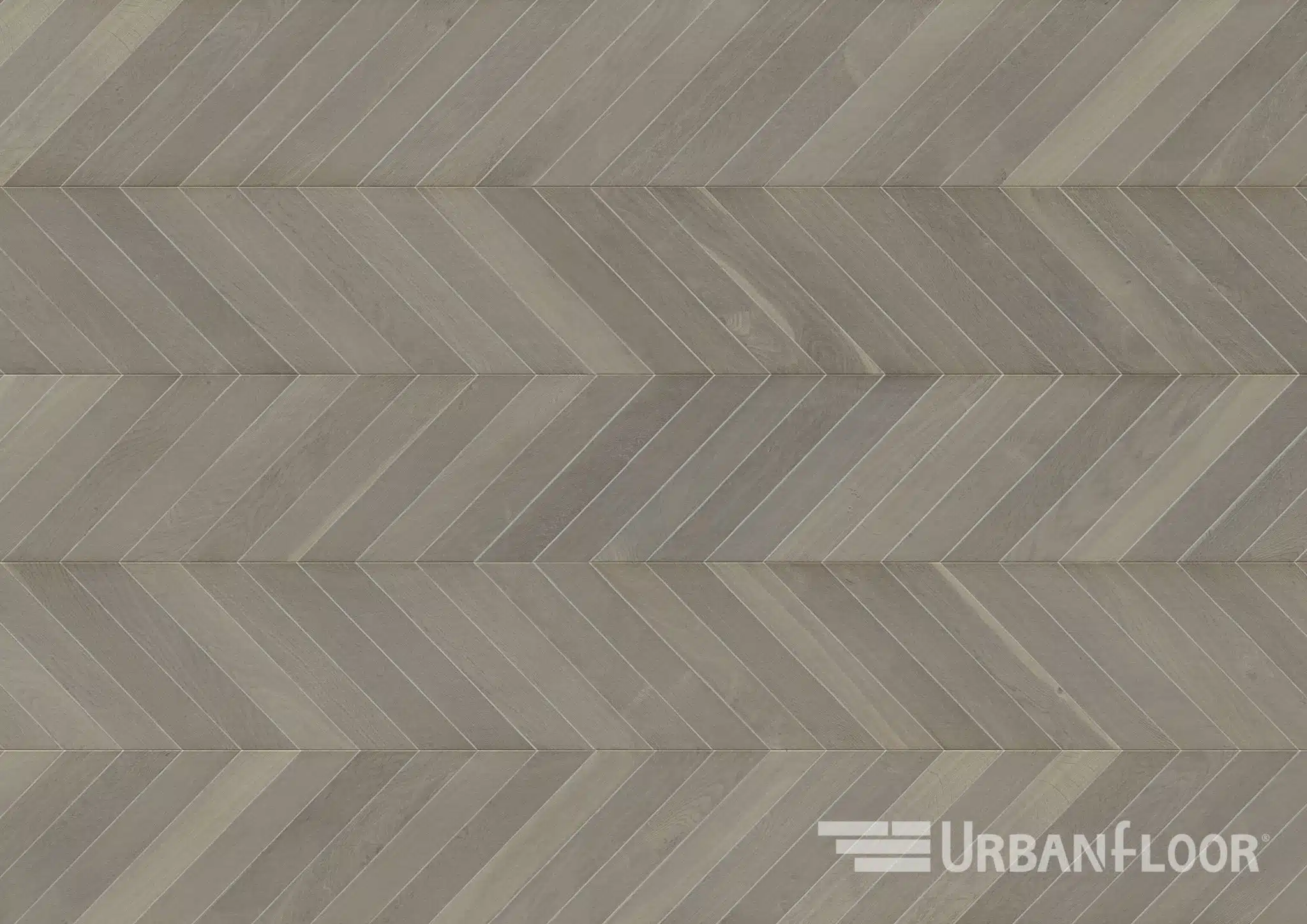
Solid hardwood and engineered hardwood are both real wood options, but they solve different problems. Solid hardwood is one piece of wood from top to bottom, usually chosen for long-term value, traditional construction, and future sanding potential. It is often best over suitable wood subfloors and in rooms where moisture risk is controlled. Engineered hardwood has a real wood veneer over a layered or composite core, which can improve dimensional stability and open more installation options over slabs. That matters in Austin TX homes where concrete foundations are common. The choice should consider subfloor type, product thickness, veneer thickness, plank width, expected refinishing, indoor humidity, budget, and the look the customer wants. Solid wood may be the premium answer in the right room; engineered wood may be the smarter technical answer in another. A hardwood installer should explain the tradeoff before product selection becomes emotional.
- Solid hardwood: traditional feel and stronger future sanding potential
- Engineered hardwood: real wood surface with slab-friendly stability
- Decision factors: subfloor, moisture, veneer, plank width, and refinishing goals
Hardwood Acclimation Moisture and Slab Planning

Acclimation and moisture planning are central to hardwood performance. Wood expands and contracts as conditions change, so the material, subfloor, and home environment need to be reviewed before installation. In Austin TX, slab foundations, seasonal humidity, air conditioning patterns, and remodel timing can all affect the plan. Some products need jobsite acclimation, while others require conditions to be within manufacturer limits before cartons are opened. Moisture checks may include concrete slab review, wood subfloor readings, visible water history, exterior door areas, plumbing-adjacent rooms, and appliance zones. The installer should also think about vapor control, adhesive compatibility, expansion space, and plank width. Installing wood before the site is ready can lead to cupping, gaps, buckling, adhesive failure, or finish complaints. Good acclimation is not a waiting ritual; it is a decision based on product instructions, site readings, and stable living conditions.
- Review manufacturer acclimation and jobsite condition requirements
- Check slabs, wood subfloors, exterior doors, and plumbing-adjacent areas
- Plan vapor control, expansion space, adhesive, and product compatibility
Nail Glue and Floating Hardwood Installation Options

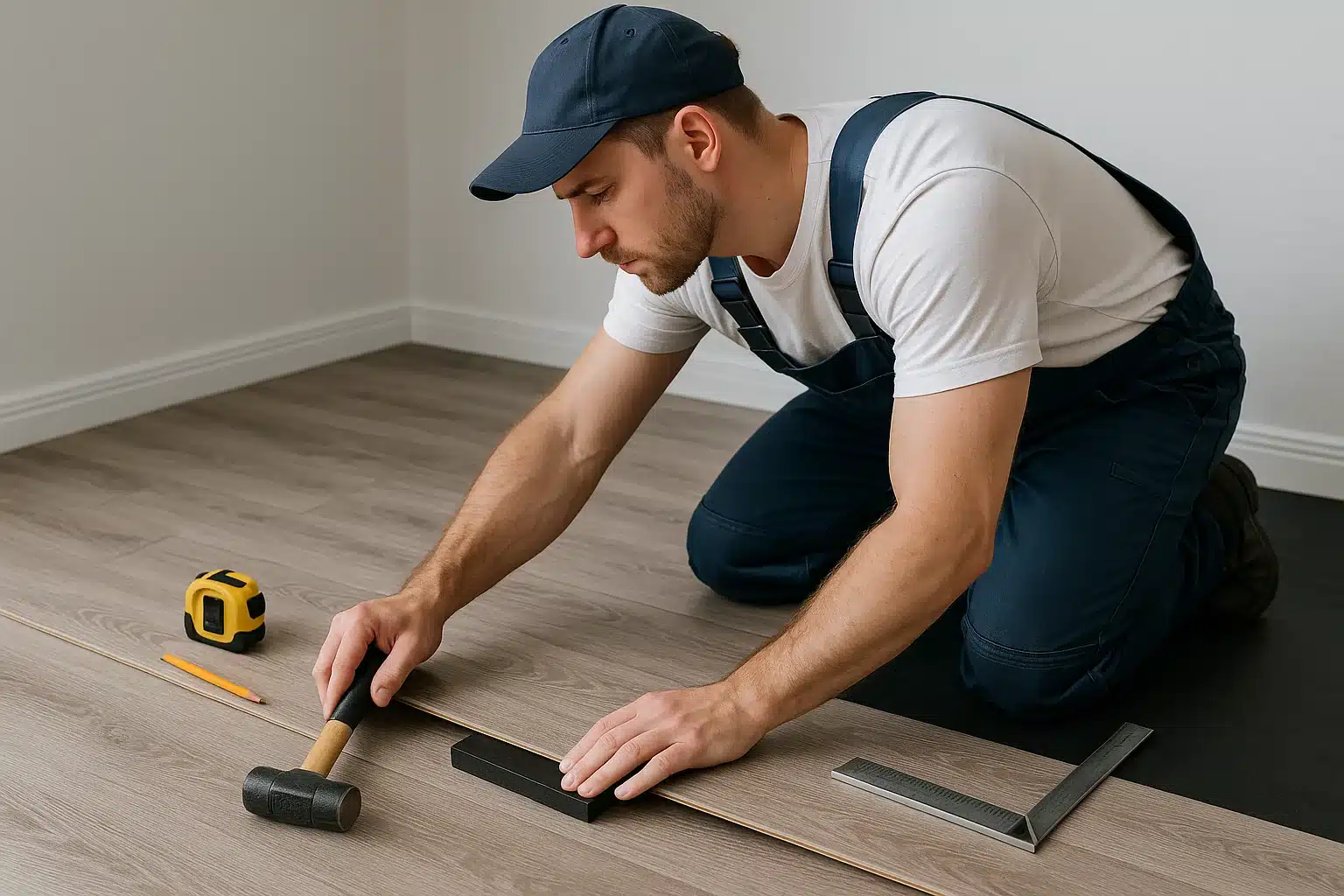
Hardwood installation method depends on the product, subfloor, room conditions, and performance goals. Nail-down installation is common for suitable wood subfloors and certain solid hardwood products. Glue-down installation can be used for many engineered hardwoods and some wood systems over properly prepared concrete slabs, but adhesive choice, moisture control, trowel size, and slab flatness matter. Floating hardwood products lock or connect above an underlayment and may fit some engineered systems, though sound, movement, transitions, and manufacturer limits need review. In Austin TX remodels, method selection is often shaped by slab foundations, existing floor height, stair or hallway connections, and whether the customer wants a quieter, more permanent feel. No method is automatically best. The installer should match the method to the product warranty, subfloor condition, moisture readings, plank dimensions, and expected room use before quoting labor.
- Nail-down for suitable wood subfloors and compatible products
- Glue-down for selected products over properly prepared slabs
- Floating systems when product design, underlayment, and transitions support them
Hardwood Floor Repair Refinishing or Replacement

Not every worn hardwood floor needs replacement. If the boards are thick enough, stable, and not deeply damaged by moisture, refinishing may restore the surface while preserving existing material. Repair can also work for isolated board damage, small gaps, squeaks, or limited stains if matching wood and finish are feasible. Replacement becomes more reasonable when the floor has severe cupping, widespread pet damage, repeated water exposure, poor previous installation, structural issues, or a wear layer too thin to sand. This section should guide visitors away from unnecessary replacement while still explaining when new hardwood is the better investment. In Austin TX homes, refinishing can be a strong alternative for older wood floors with character, while replacement may fit remodels changing layout, plank width, species, or finish style. The quote conversation should identify whether the goal is restoration, selective repair, or a fresh installation.
- Refinish when the floor is stable and has enough sandable surface
- Repair isolated boards, stains, squeaks, or small problem areas when feasible
- Replace when moisture, structure, wear layer, or layout goals make restoration impractical
Hardwood Installer for Austin Homes Remodels and Premium Upgrades
Hardwood is often chosen because the customer wants a warmer, more permanent upgrade than a basic turnover floor. In Austin TX homes and remodels, it can fit living rooms, bedrooms, dining areas, studies, hallways, and premium additions where design, resale appeal, and long-term feel matter. It may not be the first choice for every bathroom, laundry, pet-heavy rental, or moisture-prone slab condition, so honest room-by-room guidance is important. Premium upgrades also involve decisions about species, board width, grade, color, sheen, bevel, texture, and whether the floor should match existing wood. Remodels may need coordination with cabinets, stairs, doors, baseboards, fireplaces, and adjacent tile or LVP. A hardwood installer should protect the design goal while grounding choices in site conditions. The best result is not just a beautiful sample board; it is a wood floor that belongs in the home and can be maintained realistically.
- Best-fit rooms: living spaces, bedrooms, studies, dining rooms, and hallways
- Premium choices: species, width, grade, texture, color, sheen, and bevel
- Remodel details: stairs, cabinets, doors, baseboards, and adjacent floors
Hardwood Flooring Materials Wholesale Pricing Bulk Deals and Supply Options
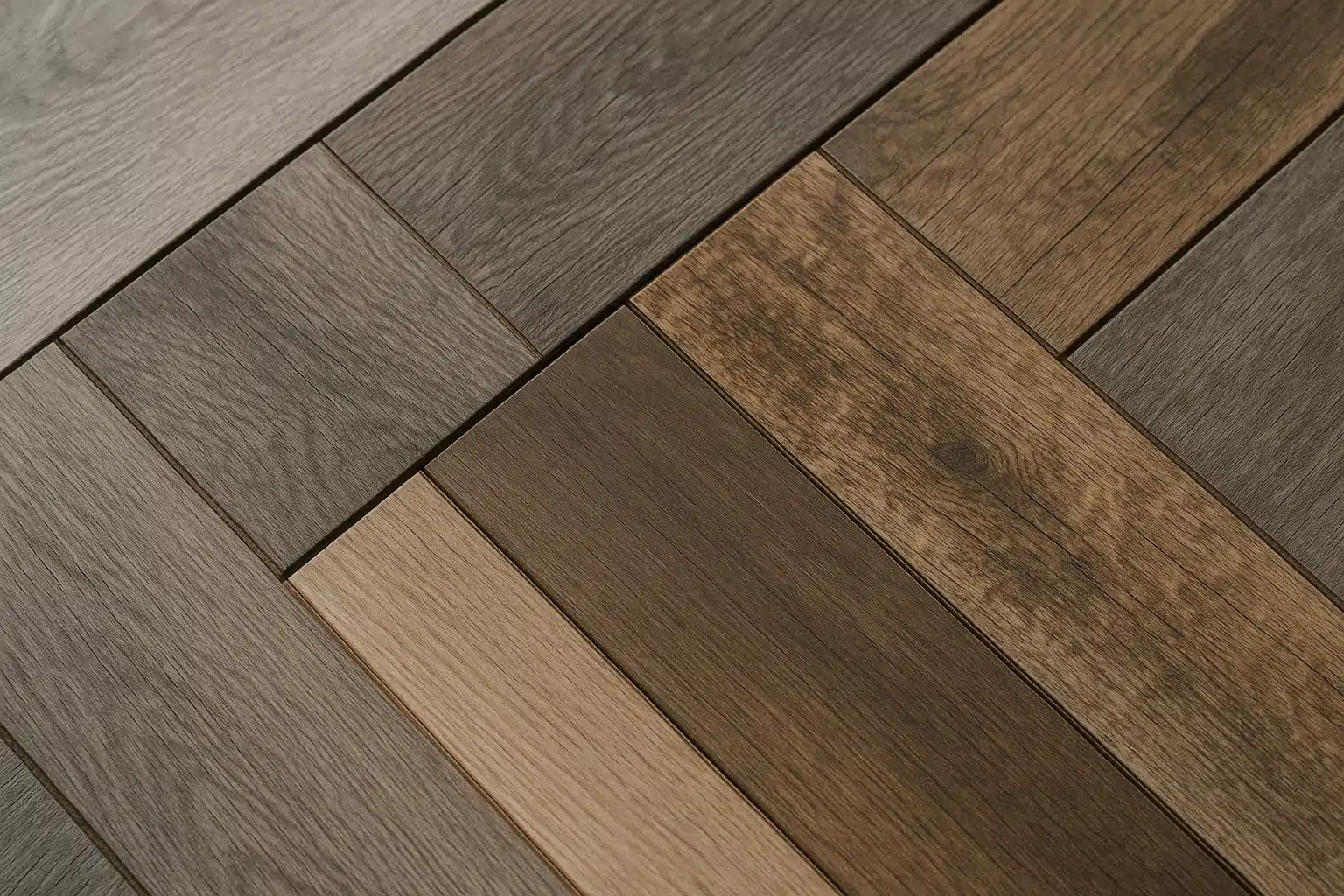
Hardwood material pricing depends on species, construction, grade, finish, width, length, veneer thickness, milling quality, and availability. Wholesale or bulk supply options can help larger remodels, builders, and multi-room upgrades, but product suitability still matters more than a low box price. A discounted wood floor that does not fit the slab, moisture conditions, installation method, or refinishing goal can become expensive later. Austin TX projects should also account for lead times, freight, trim packages, stair parts, vents, transitions, waste factor, and attic stock for future repairs. Customers comparing materials should ask whether the quoted product is solid or engineered, prefinished or unfinished, what finish system is used, how much usable wear surface exists, and what installation methods the manufacturer allows. Supply planning and installation planning should happen together. That keeps the selected hardwood aligned with the actual property instead of just the showroom display.
- Compare species, grade, finish, width, veneer, and milling quality
- Include trims, vents, stair parts, transitions, waste, and attic stock
- Confirm manufacturer-approved installation methods before purchasing
Looking for a Hardwood Floor Installer Near Me in Austin TX
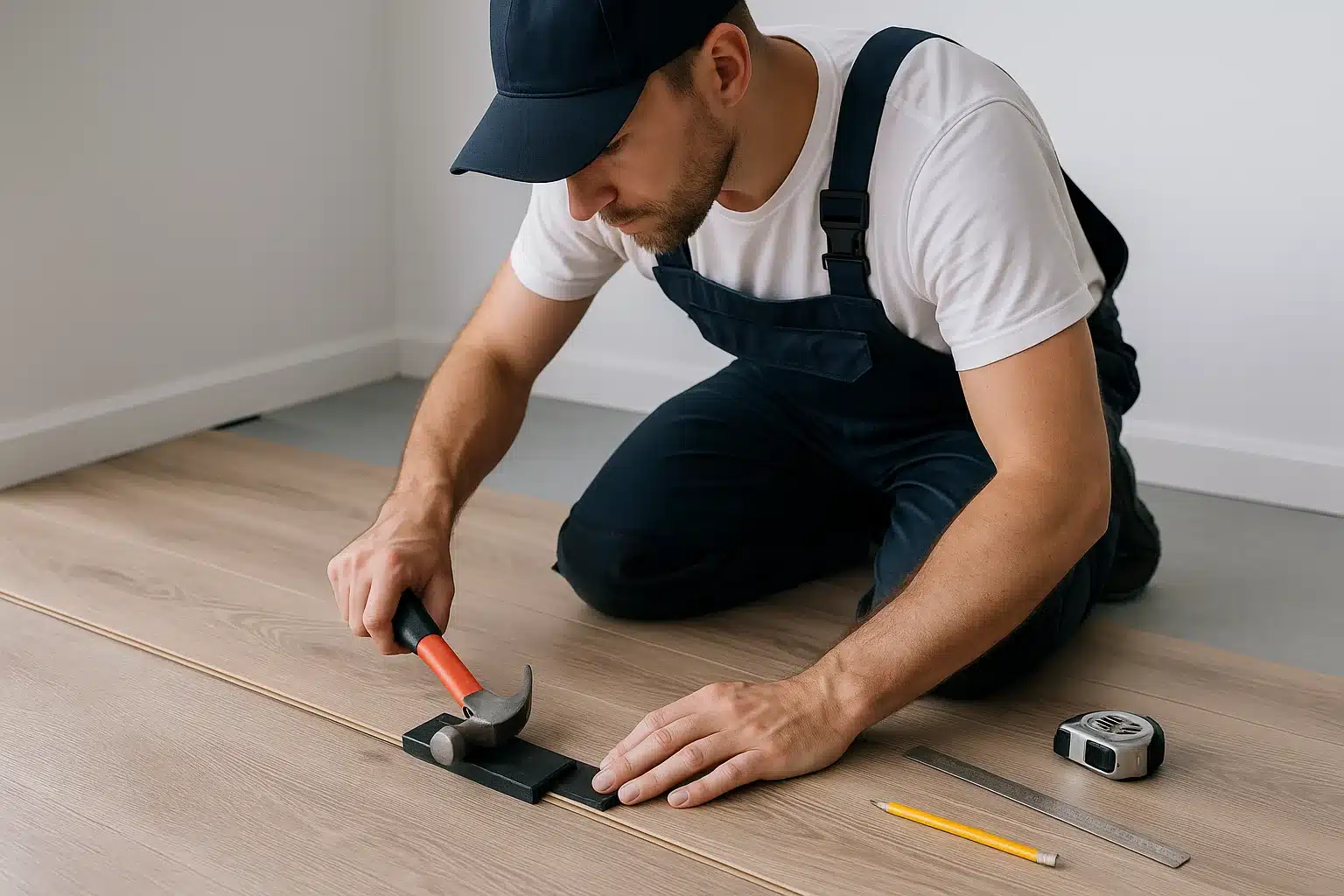
A near-me search for hardwood installation should lead to more than a quick labor quote. Local experience matters because Austin TX properties often combine slab foundations, older remodel work, mixed flooring materials, indoor humidity swings, and design expectations that vary from rental upgrades to premium custom homes. The right installer should ask about the subfloor, current flooring, moisture history, room use, pets, sunlight, stairs, transitions, and whether the customer is considering refinishing instead. They should also explain when engineered hardwood may be safer than solid hardwood and when a non-wood product may be more practical for a wet or heavily abused space. Before reaching out, gather photos of the rooms, adjacent floors, exterior doors, any damage, and labels from any product you are considering. That turns a local search into a useful planning conversation instead of a generic price request.
- Share photos of rooms, transitions, stairs, exterior doors, and existing damage
- Ask about acclimation, moisture review, slab prep, and installation method
- Compare installation, refinishing, and engineered hardwood alternatives
Request a Hardwood Floor Installation Quote in Austin TX
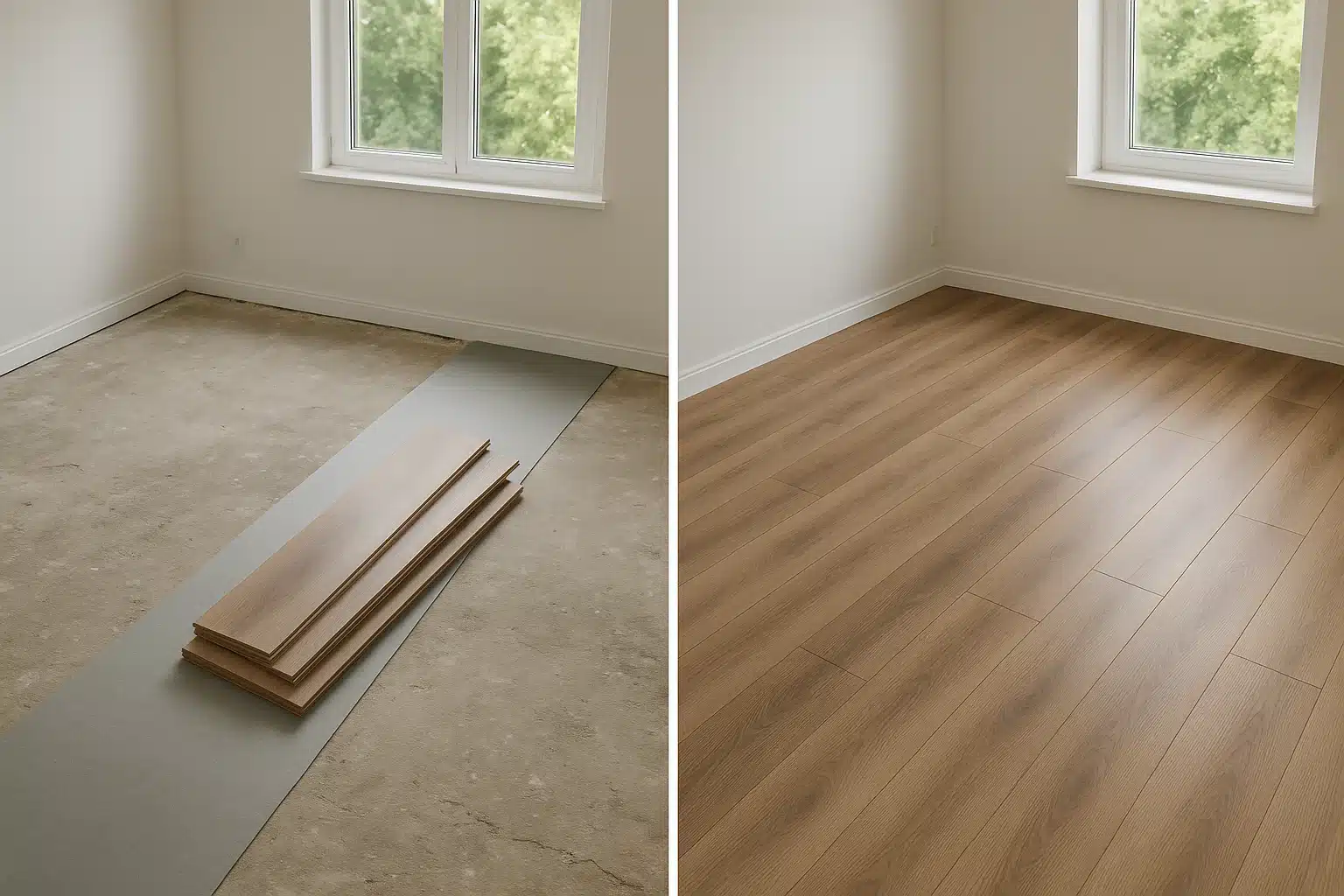
A hardwood floor installation quote should identify the product, installation method, prep requirements, trim details, transitions, acclimation expectations, and any moisture or slab concerns. For Austin TX projects, include the room list, approximate square footage, subfloor type if known, current flooring, desired wood species or color, plank width, photos, timeline, and whether the home is occupied. If you already have product picked out, include the manufacturer name, collection, installation instructions, and carton label photos. If you are still choosing, ask for guidance on solid versus engineered hardwood, nail versus glue versus floating methods, and whether refinishing the existing floor might be smarter. Use the quote form when you can share details and photos. Use the phone CTA when scheduling, water history, or existing damage needs a faster conversation. A good quote should reduce uncertainty before expensive material is ordered.
- Send room sizes, photos, product details, current flooring, and timeline
- Ask about acclimation, slab moisture, transitions, trim, and prep
- Use the phone CTA for urgent scheduling, damage, or moisture concerns
Solid Hardwood vs Engineered Hardwood vs Refinish Table
| Choice | Best fit | Key quote question |
|---|---|---|
| Solid hardwood | Long-term wood floor projects where substrate and method fit | Can the installation method and acclimation requirements be met? |
| Engineered hardwood | Real wood look with more slab-aware options | What wear layer, core, and method are approved? |
| Refinishing | Existing hardwood has enough surface and damage is not structural | Is sanding/refinishing better than removal and replacement? |
Hardwood Installation Quote Checklist
- Room list and approximate square footage
- Photos of current flooring, subfloor concerns, transitions, stairs, closets, and exterior doors
- Material preference, product name, or decision questions
- Removal, disposal, furniture, trim, and access expectations
- Timing, deadline, property type, and whether the space is occupied or operating
Hardwood Installation Trust Process
- Scope review: Confirm rooms, material, use case, current floor, access, and timing before treating the quote as final.
- Prep review: Separate visible conditions from items that may require on-site inspection after removal.
- Installation plan: Document transitions, trim, product requirements, cleanup, and change-order handling.
- Closeout: Review visible finish details, care guidance, and spare material recommendations.
Hardwood Floor Installer in Austin TX FAQs
Is solid hardwood a good choice for Austin TX homes?
Solid hardwood can be an excellent choice when the room, subfloor, and moisture conditions support it. It is valued for its traditional feel, long service life, and stronger refinishing potential. It may not be the best fit for every concrete slab, wet area, or high-risk rental situation. The decision should include subfloor type, indoor humidity, plank width, installation method, pets, sunlight, and expectations for future sanding. Engineered hardwood may be better when slab stability is a major concern. The USDA Forest Products Laboratory’s Wood Handbook is a useful background read for understanding wood movement, moisture, and product performance.
How long does hardwood need to acclimate before installation?
Acclimation depends on the product, manufacturer instructions, jobsite conditions, and moisture readings. Some hardwoods need time in the controlled living environment before installation, while others focus more on verifying that the home and subfloor are within approved conditions. The installer should not rely on a generic number of days alone. They should review carton guidance, room temperature, humidity, subfloor readings, and whether the wood moisture content is balanced with the site. Installing before conditions are ready can lead to gaps, cupping, buckling, or finish complaints. A quote should explain how acclimation will be handled.
Can hardwood be installed over a concrete slab?
Hardwood over concrete requires careful product and method selection. Many solid hardwood products are not ideal directly over slab conditions, while engineered hardwood is often designed for greater stability and may allow glue-down or floating installation. The slab still needs to be flat, clean, dry, and compatible with the adhesive or underlayment system. Moisture review is important before any wood is installed. The installer should verify manufacturer instructions instead of assuming every hardwood product can go over concrete.
What is the difference between nail-down, glue-down, and floating hardwood?
Nail-down hardwood is fastened to a suitable wood subfloor and is common with many solid wood installations. Glue-down hardwood uses adhesive and is often considered for compatible engineered products over prepared slabs or other approved surfaces. Floating hardwood connects above an underlayment without being fixed to the subfloor, but it must be allowed by the product manufacturer. Each method affects sound, feel, height, transitions, moisture planning, and repair options. The best method depends on product and site conditions.
Should I refinish my hardwood floor or replace it?
Refinishing may be the better choice when the floor is stable, has enough sandable surface, and the main issue is wear, scratches, or outdated color. Replacement may be better when boards are severely cupped, water damaged, structurally weak, poorly installed, or too thin to sand again. Replacement also makes sense when you want a different plank width, species, layout, or room connection. A good installer should discuss refinishing and repair alternatives before recommending a full new hardwood floor.
Is engineered hardwood the same as laminate or LVP?
No. Engineered hardwood has a real wood veneer on top of a layered or composite core. Laminate uses a printed design layer under a wear surface, and LVP uses vinyl construction with a printed visual layer. Engineered hardwood can offer a more authentic wood surface, while laminate and LVP may be more budget-friendly or moisture-tolerant depending on the room. The right choice depends on slab conditions, pets, budget, desired feel, maintenance, and whether future refinishing matters. NALFA’s laminate flooring resources are a useful background read when comparing wear layers, underlayment, and room suitability.
What should be included in a hardwood installation quote?
A hardwood installation quote should identify the product, square footage, installation method, subfloor preparation, acclimation expectations, moisture review, trims, transitions, stair parts if needed, disposal of old flooring, and cleanup. It should also state whether materials are supplied by the installer or customer. If the project involves a slab, adhesive, underlayment, or leveling, those details should be clear. A vague quote can miss important costs, especially when premium wood and finish details are involved. The FTC’s home-improvement guidance can also help you compare written estimates, deposits, and project terms before hiring.
Can hardwood floors handle pets?
Hardwood can work in homes with pets, but expectations matter. Pet nails, water bowls, accidents, and tracked grit can scratch or damage the finish. Harder species, textured finishes, lower sheen, rugs, quick cleanup, and regular nail trimming can help. Engineered hardwood, LVP, or laminate may be more practical in some pet-heavy rentals or wet areas. If pets are a major factor, tell the installer before choosing a product so the recommendation fits real daily use, not just the showroom look.
How do I prepare for hardwood floor installation?
Preparation usually includes clearing small items, discussing furniture movement, confirming product delivery, controlling indoor temperature and humidity, and identifying access needs. If old flooring is being removed, plan for noise, dust, debris, and temporary loss of use in those rooms. Share any history of leaks, pet accidents, slab moisture, or previous flooring failures. Keep pets and children away from work areas. For occupied homes, ask how rooms will be sequenced so daily routines are disrupted as little as possible.
How is this hardwood installer page different from the engineered hardwood page?
This page covers hardwood installation broadly, including solid hardwood, engineered hardwood, acclimation, moisture planning, nail-down, glue-down, floating methods, and refinishing alternatives. The engineered hardwood page should go deeper into veneer thickness, core construction, slab suitability, and engineered-specific product selection. Keeping the pages separate helps users choose the right wood category without repeating the same content. This page is best for someone who wants hardwood but still needs help deciding which type and method fits the property.
What should be checked before hardwood installation?
Before hardwood installation, review substrate, moisture, acclimation needs, plank width, installation method, transitions, stairs, trim, and manufacturer requirements.
Can hardwood floors be installed in every room?
Hardwood can work well in many rooms, but moisture exposure, pets, traffic, slab conditions, and maintenance expectations should be considered before choosing it.
How does plank width affect hardwood installation?
Wider planks can change appearance and may require closer attention to subfloor flatness, moisture, acclimation, fastening, and manufacturer installation guidelines.
What can cause hardwood flooring gaps?
Seasonal movement, moisture changes, product selection, acclimation issues, installation method, and indoor humidity can all contribute to hardwood gaps.
Should hardwood installation include care guidance?
Yes. Care guidance helps protect the finished floor by covering cleaning methods, humidity expectations, furniture protection, and maintenance planning.
Related Austin Flooring Company Services
Related Austin Flooring pages
These related pages may help with the next step in planning this flooring project.