
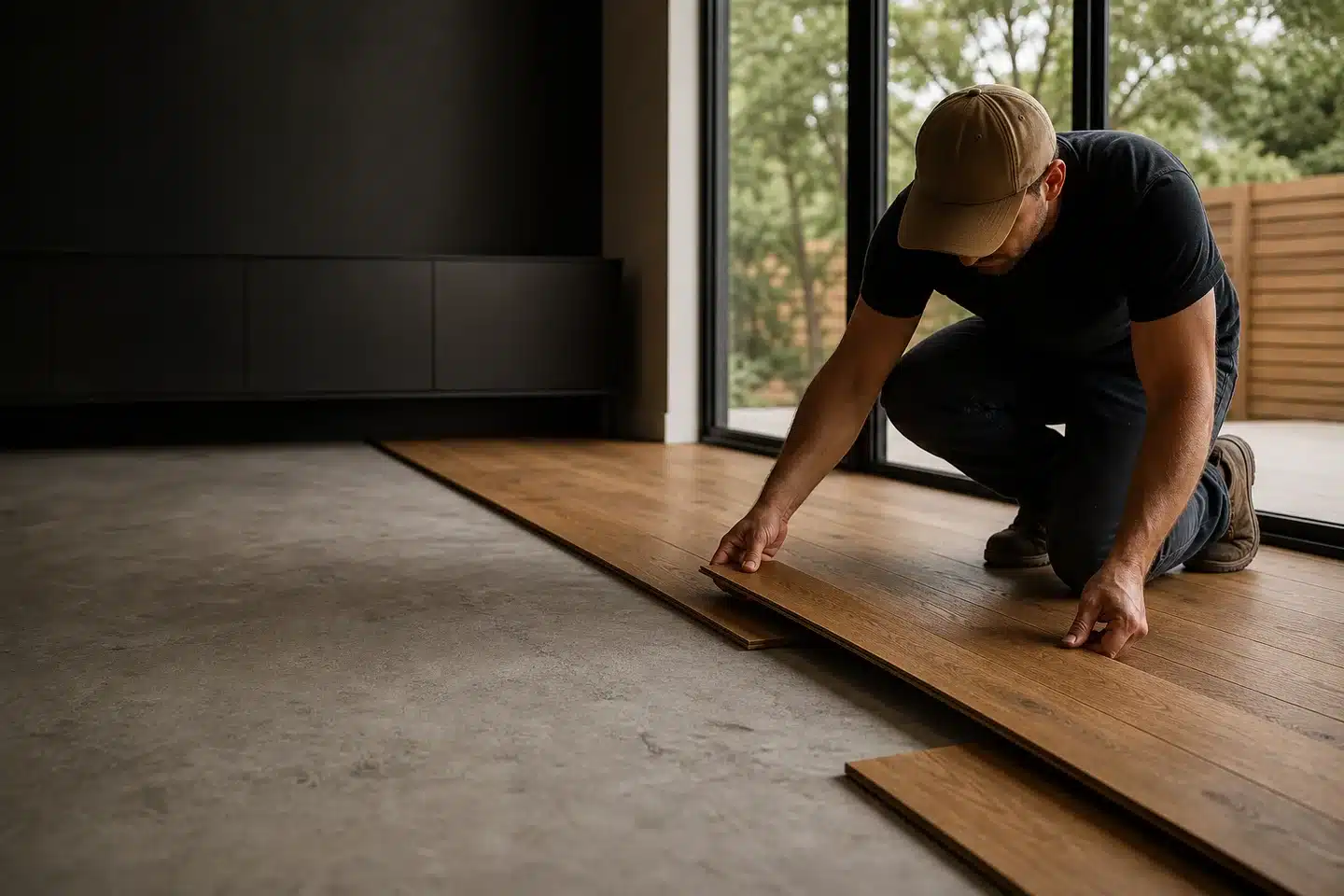
Engineered hardwood is often the real-wood option Austin TX property owners consider when they want the look and feel of hardwood without forcing a solid plank into every condition. It can work well for remodels, slab-foundation homes, townhomes, offices, and upgraded rental spaces, but only when the product construction and installation method match the subfloor. The top veneer, wear layer thickness, core stability, plank width, adhesive or underlayment system, and moisture readings all affect how the finished floor performs. A quote should not treat engineered wood like laminate, LVP, or solid hardwood. It needs its own review because some products can be glued directly to concrete, some are better floated, and some are designed for nail-down installation over wood subfloors. Austin Flooring Company helps buyers sort through those choices before installation begins, including slab compatibility, acclimation, transitions, trim, stair details, and realistic refinish expectations. If you are comparing engineered hardwood with solid hardwood or luxury vinyl plank, the best next step is a quote that includes material specs, room photos, existing flooring, subfloor conditions, and timing so the scope is clear before work starts.
Engineered Hardwood Installation Services in Austin TX
Engineered hardwood installation in Austin TX should begin with the product, not just the room size. A real-wood veneer bonded to a plywood, hardwood, or composite core behaves differently from solid hardwood and from vinyl plank. That construction can make engineered wood a strong fit for slab-foundation homes, remodels where floor height matters, and properties that need a wood look with more installation flexibility. The installer still has to confirm the subfloor, door clearances, transition points, plank width, manufacturer instructions, and whether the floor will be glued, floated, or nailed. A good quote should separate labor, prep, trims, adhesive or underlayment, removal, and material waste instead of giving one vague square-foot number. For Austin homes, rental upgrades, and office finishes, this service is most useful when the buyer already likes real wood but needs help avoiding the wrong plank construction or installation method.
Where Engineered Wood Fits Best
What the Installer Needs to Confirm

Engineered Hardwood for Austin TX Slab Foundations
Many Austin TX homes and commercial spaces are built on concrete slabs, which is one reason engineered hardwood gets considered instead of solid hardwood. Solid planks are usually more restrictive over concrete, while engineered products may allow glue-down or floating installation when the slab meets the manufacturer’s moisture and flatness requirements. That does not mean every engineered floor belongs on every slab. The concrete must be checked for cracks, high spots, low areas, residue, old adhesive, vapor concerns, and curing or moisture history when relevant. Wider planks and thinner products can be less forgiving if the slab is uneven. The quote should identify whether leveling compound, crack treatment, vapor control, or adhesive upgrade is needed before installation day. Slab compatibility is a technical decision, not a sales label on the box. The right engineered hardwood scope protects the finished wood surface and reduces the chance of hollow spots, cupping, loose boards, or noisy movement.
Concrete Slab Compatibility
Moisture and Flatness Limits

Wear Layer Core Construction and Real Wood Veneer Choices
Engineered hardwood quality depends heavily on what is above and below the surface. The visible face is a real wood veneer, and its thickness helps determine how much sanding or refinishing may be possible later. A very thin veneer may look attractive when new but can limit long-term repair options. A thicker wear layer generally gives more room for future screening or refinishing, although the exact limit depends on the product and manufacturer. The core matters too. Multi-ply plywood cores, hardwood cores, and high-density composite cores do not all respond the same way to moisture, temperature changes, plank width, or installation method. For Austin TX projects, product selection should account for slab use, sunlight exposure, pets, furniture, expected traffic, and whether the floor needs to continue through several rooms. A quote that lists species, finish, wear layer, core type, plank dimensions, and installation method gives the buyer a clearer way to compare engineered hardwood products.
Veneer and Wear Layer
Core Stability
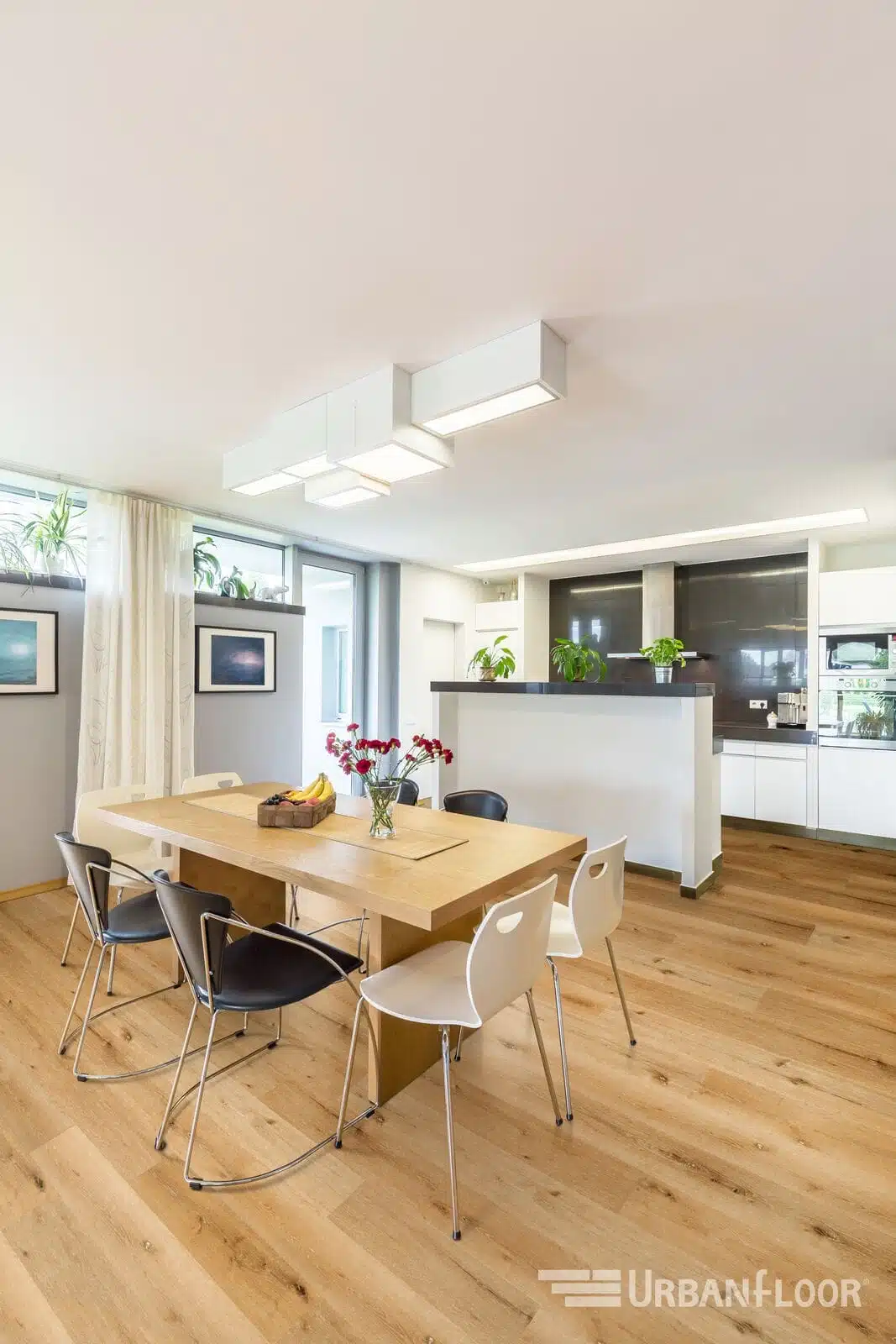
Glue Down Floating and Nail Down Engineered Hardwood Methods
Engineered hardwood can be installed several ways, but the correct method depends on the product and subfloor. Glue-down installation is common over concrete slabs when moisture conditions and adhesive requirements are satisfied. It can provide a firm feel underfoot, but it requires clean slab preparation and careful spread rates. Floating engineered hardwood uses a click or tongue-and-groove system over an approved underlayment, making it useful where direct adhesion is not preferred or where sound control is part of the scope. Nail-down or staple-down methods are usually reserved for wood subfloors and products approved for that fastening schedule. Each method affects cost, height, sound, transition planning, and future repair. The installation quote should name the method, not just say “install hardwood,” because adhesives, underlayments, fasteners, moisture barriers, expansion spacing, and trim details change with the method. Choosing the wrong approach can turn a good product into a noisy or unstable floor.
Glue Down
Floating
Nail Down
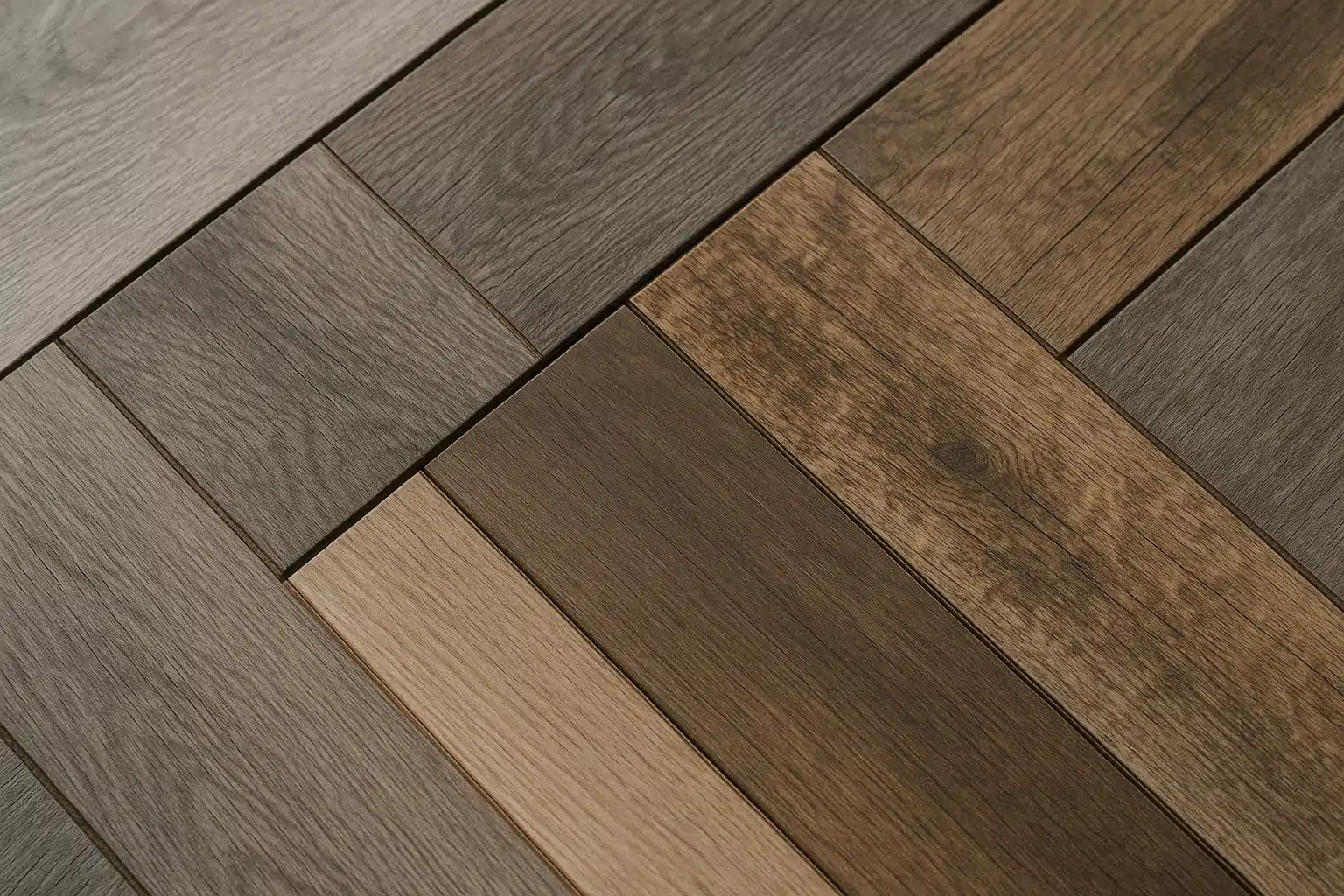
Moisture Acclimation and Subfloor Prep for Engineered Wood
Engineered wood is more dimensionally stable than many solid hardwood products, but it is not immune to moisture or site conditions. Before installation, the product should be stored and handled according to the manufacturer’s instructions, with the home or business operating under normal interior conditions when possible. Some engineered floors require acclimation; others specify that the jobsite conditions matter more than a fixed number of days. Subfloor prep is just as important. Concrete may need moisture testing, flattening, residue removal, or primer. Wood subfloors may need fastening, sanding, panel replacement, or squeak correction. Austin TX projects can also involve older remodel layers, tile removal, high door thresholds, or room additions with uneven surfaces. The best time to find those issues is before the installation crew is scheduled. A complete quote should call out testing, leveling, demo, disposal, and drying time so the floor is not rushed onto a subfloor that is not ready.
Acclimation Is Product-Specific
Prep Before Planks Arrive
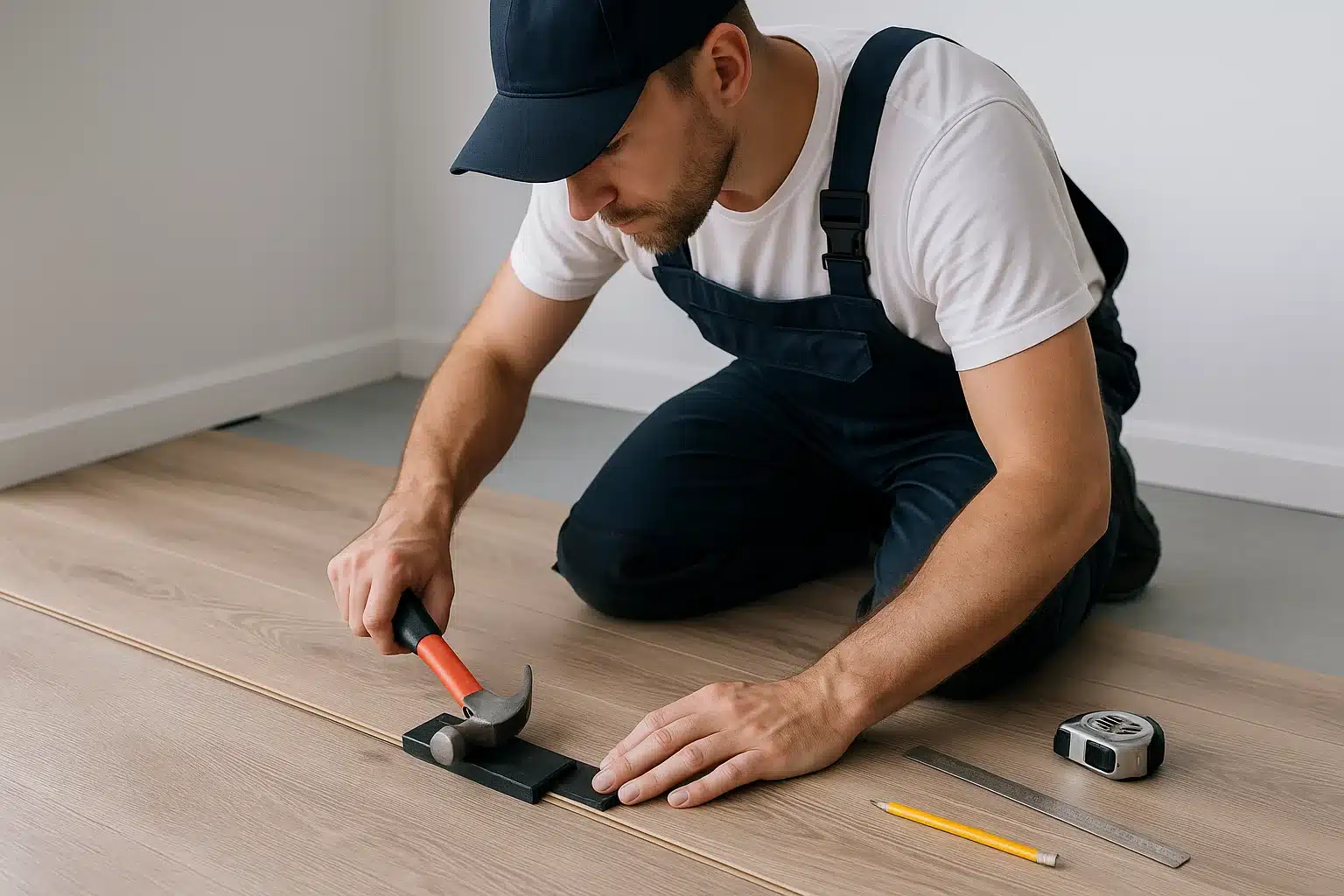
Engineered Hardwood vs Solid Hardwood vs LVP for Austin TX Projects
Engineered hardwood, solid hardwood, and luxury vinyl plank solve different problems. Engineered hardwood offers a real wood surface with construction that may be more practical over slabs or in remodels where solid hardwood is not the best fit. Solid hardwood is often chosen for traditional wood-floor projects and can usually be refinished more times, but it has stricter subfloor and moisture considerations. LVP is not real wood; it is a resilient plank that can be a better fit for wet-risk spaces, heavy rental turnover, or budgets that prioritize scratch and water resistance over wood authenticity. Austin TX buyers often compare these three because they can look similar in photos. The differences show up in feel, repair options, installation method, moisture tolerance, resale expectations, and long-term maintenance. If real wood matters and the slab or project conditions make solid hardwood difficult, engineered hardwood may be the middle ground worth pricing carefully.
Real Wood vs Wood Look
Refinish Expectations
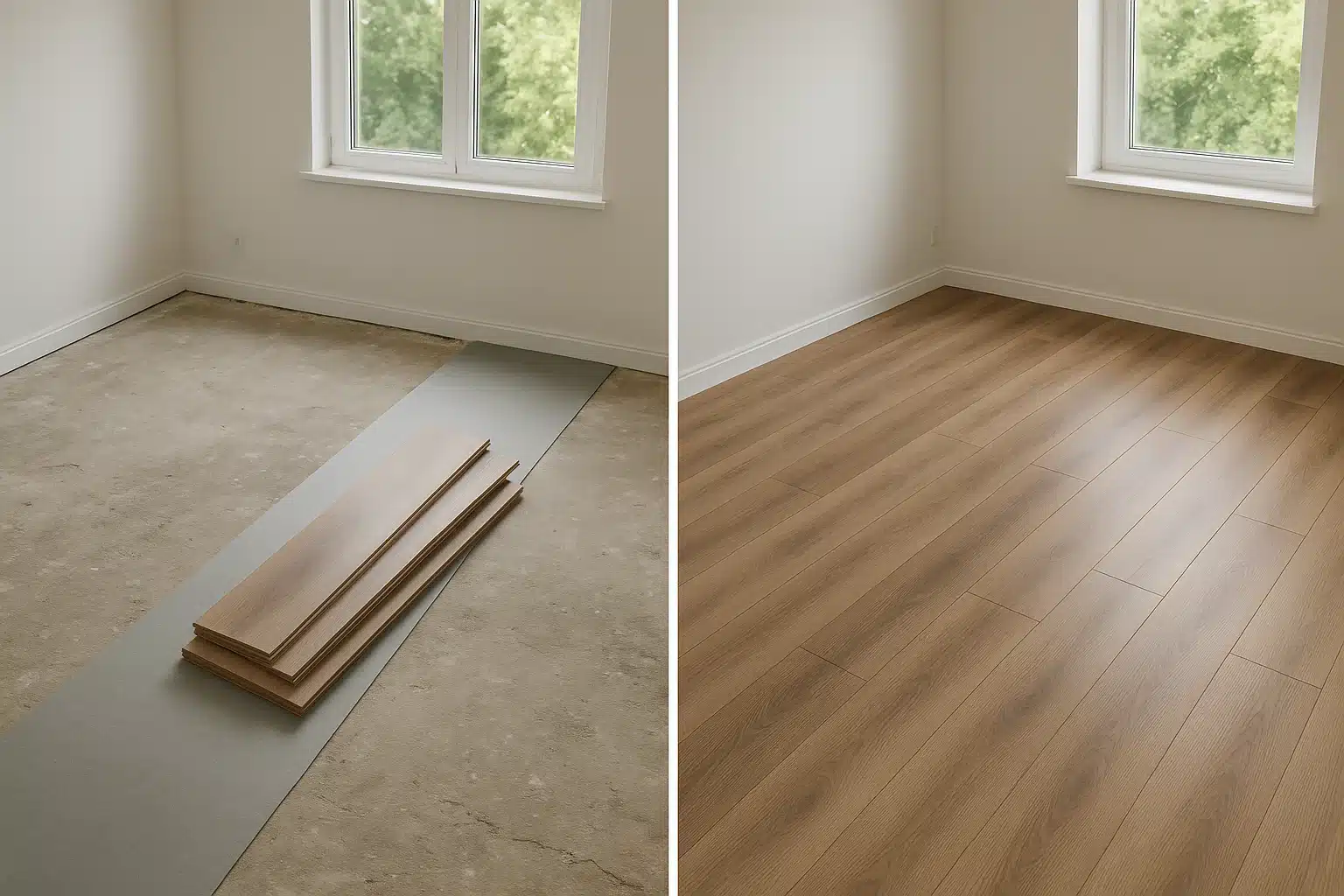
Engineered Hardwood Transitions Trim and Stair Details
The finished look of engineered hardwood depends on the details around the field of flooring. Doorways, tile edges, carpet breaks, stair noses, vents, cabinets, exterior doors, and long hallway runs all need transition planning before installation. Engineered planks have specific thicknesses, locking profiles, and trim pieces, so a transition that works for laminate or LVP may not match the wood floor correctly. Stair details require extra attention because stair noses, risers, landings, and code-sensitive edges need compatible parts and secure installation. Baseboards, shoe molding, undercut door jambs, and expansion spacing can also change the final quote. For Austin TX remodels, mismatched flooring heights are common when old tile, carpet, glue-down wood, or multiple remodel layers are removed. A stronger estimate includes photos of adjoining surfaces and notes about each transition, not just square footage. These details help the project look intentional instead of patched together at the end.
Transitions and Doorways
Stairs and Edge Details
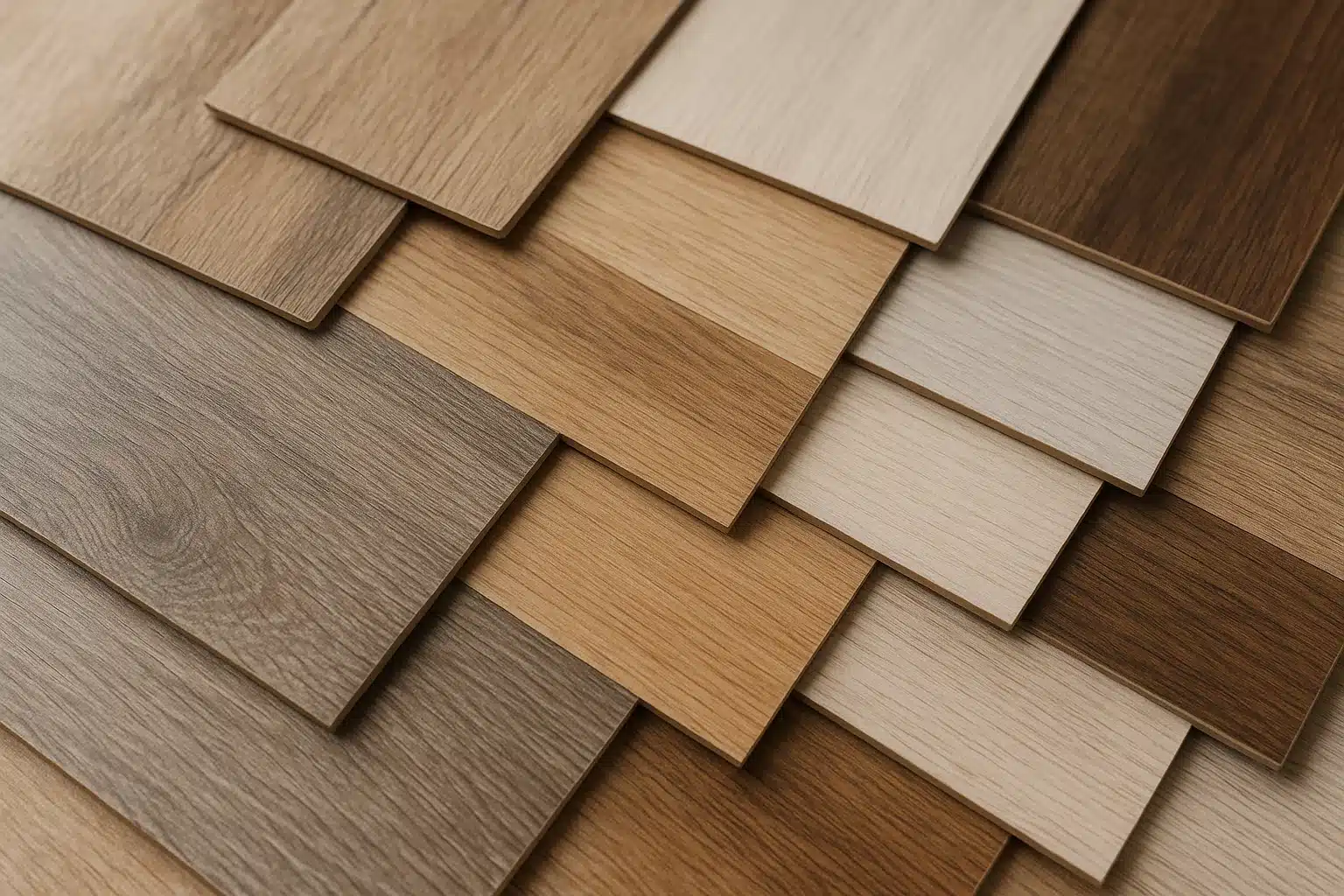
Request an Engineered Hardwood Installation Quote in Austin TX
An engineered hardwood installation quote should make the project easier to understand before anyone commits to a product. Useful details include room measurements or rough square footage, photos of the current flooring, slab or wood subfloor clues, stairs, closets, transitions, baseboards, doorways, and the engineered hardwood product you are considering. If you do not have a product yet, send the look, plank width, color range, durability expectations, and whether real wood veneer or future refinishing is important. The quote should clarify installation method, prep, moisture review, waste factor, trim, demo, haul-away, furniture handling, timeline, and any conditions that could change after removal. Austin Flooring Company can then help compare glue-down, floating, and nail-down options for the same property instead of forcing the project into one method. The goal is a scope that matches the floor, the building, and the way the space will be used.
What to Send
What the Quote Should Clarify
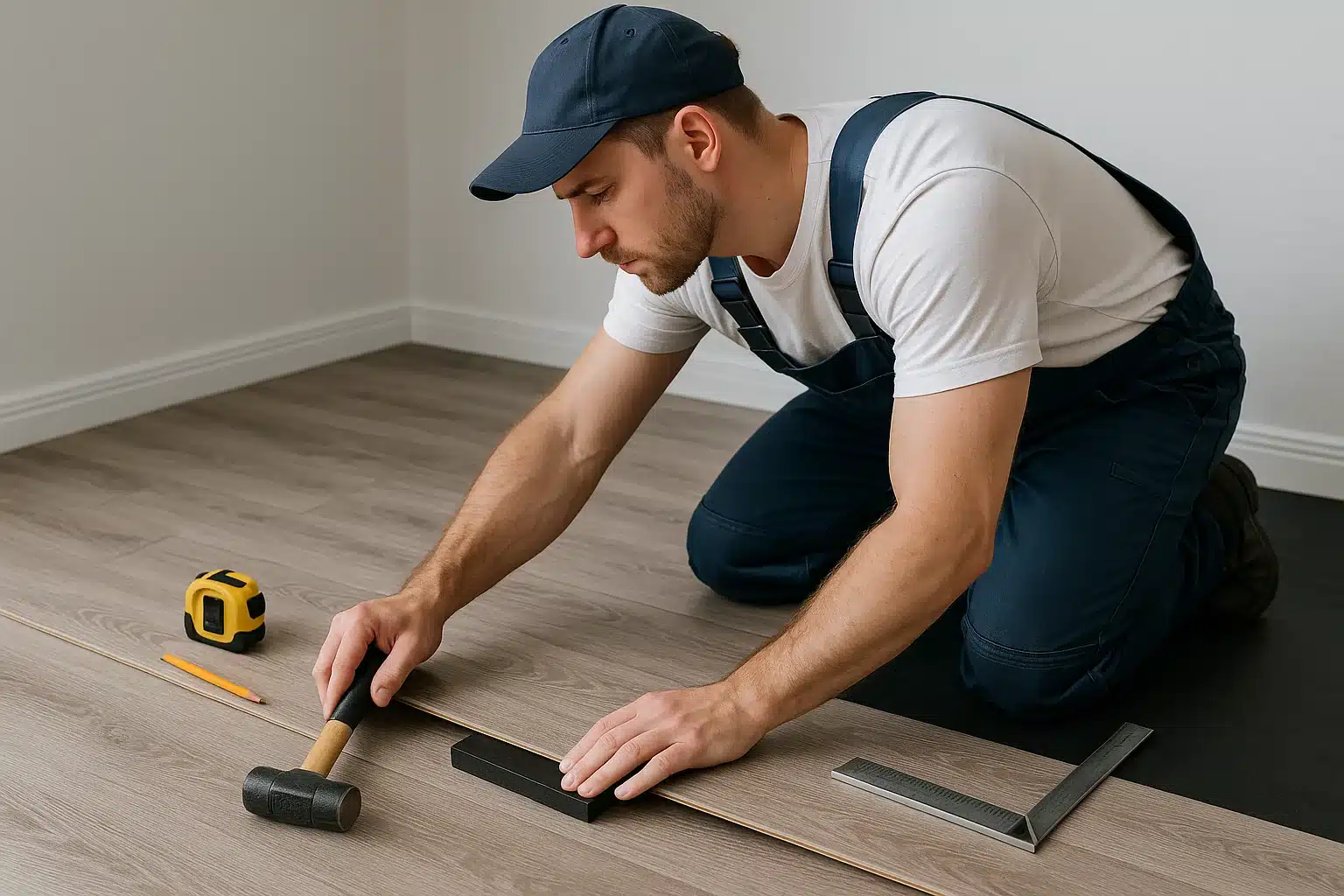
Engineered Hardwood Installer in Austin TX comparison table
| Option | Best Fit | Watch Before Choosing | Quote Implication |
|---|---|---|---|
| Engineered hardwood | Real wood look and feel where slab compatibility or remodel height matters | Veneer thickness, core type, moisture readings, approved install method, refinish limits | Quote should include moisture review, glue/floating/nail-down method, trims, waste, and product specs |
| Solid hardwood | Traditional wood-floor projects over suitable wood subfloors with strong refinish expectations | Concrete slab restrictions, acclimation, movement, height buildup, longer prep needs | Quote may need subfloor build-up, nail-down planning, sanding/finishing decisions, and longer schedule |
| Luxury vinyl plank | Wet-risk rooms, rentals, offices, pets, or budgets prioritizing resilience over real wood | Not a real wood veneer; different feel, repair logic, resale perception, and transition parts | Quote focuses on flatness, underlayment or adhesive, plank layout, waterproof claims, and wear layer |
| Laminate | Budget-sensitive bedrooms, offices, and rental refreshes where floating installation fits | Moisture limitations, expansion gaps, AC rating, sound, and inability to refinish | Quote should address underlayment, floor flatness, transitions, and room suitability before material purchase |
Engineered Hardwood Installer in Austin TX quote checklist
- Room list, rough square footage, and whether areas connect continuously
- Photos of current flooring, doorways, stairs, closets, and adjoining floor surfaces
- Known subfloor type: concrete slab, plywood, OSB, or unknown
- Engineered hardwood product link or specs, including veneer thickness, core type, plank width, and installation approvals
- Preferred installation method if already known: glue-down, floating, or nail-down
- Moisture concerns, prior leaks, old adhesive, cracks, uneven areas, or hollow tile sounds
- Trim expectations: remove and reinstall baseboards, add shoe molding, undercut jambs, stair noses, reducers, or thresholds
- Demo and haul-away needs for carpet, tile, laminate, vinyl, or old wood flooring
- Furniture moving, appliance areas, occupied-space limits, elevator or access constraints, and parking notes
- Project timing, budget range, city, and whether product has already been purchased
Engineered Hardwood Installer in Austin TX process and trust checks
- 1. Product and scope review: Confirm the engineered hardwood specs, veneer thickness, core, plank width, approved methods, project rooms, and finish expectations before pricing labor.
- 2. Subfloor and moisture planning: Review slab or wood subfloor conditions, flatness, cracks, residue, moisture concerns, and prep needs that could affect installation or warranty compliance.
- 3. Method and materials decision: Select glue-down, floating, or nail-down installation only after matching the product instructions to the building conditions and desired floor performance.
- 4. Detail confirmation: Plan transitions, stair parts, vents, door jambs, baseboards, expansion spacing, demo, haul-away, and access before scheduling the crew.
- 5. Installation and closeout: Install to the agreed scope, keep change-order items visible, clean the work areas, review care basics, and note any product-specific maintenance limits.
Engineered Hardwood Installer in Austin TX FAQs
Is engineered hardwood better than solid hardwood over Austin TX slab foundations?
Engineered hardwood is often more practical than solid hardwood over a concrete slab because many products are built for glue-down or floating installation. Solid hardwood usually needs a wood subfloor or a more involved sleeper system. The deciding factors are the slab moisture readings, flatness, product approval, plank width, adhesive system, and desired floor height. For an Austin TX slab project, send photos of the current floor and the product specs so the quote can confirm whether engineered wood is appropriate before material is ordered. The USDA Forest Products Laboratory’s Wood Handbook is a useful background read for understanding wood movement, moisture, and product performance.
Can engineered hardwood be glued down or floated?
Yes, many engineered hardwood products can be glued down or floated, but the manufacturer’s instructions control which methods are allowed. Glue-down installation can feel solid over concrete and is common for slab projects when moisture and surface prep pass. Floating installation uses an approved underlayment and may help where direct adhesion is not ideal. Some engineered products can also be nailed to wood subfloors. A useful quote should identify the method, adhesive or underlayment, moisture plan, expansion spacing, and transition approach.
What wear layer should I look for in engineered hardwood?
The wear layer is the real wood surface above the core. A thicker wear layer usually gives better long-term repair potential and may allow screening or limited refinishing, while a very thin veneer is mostly a one-finish surface. The right choice depends on budget, traffic, pets, sunlight, plank width, and how long you expect to keep the floor. For Austin TX homes or offices, compare the veneer thickness, finish durability, core construction, and warranty language before choosing only by color.
Does engineered hardwood need acclimation before installation?
Engineered hardwood may need acclimation, but the requirement is product-specific. Some manufacturers specify a time period; others require the building and subfloor to stay within temperature and humidity ranges before and during installation. The cartons should be stored as instructed, not left in a garage or exposed space. In Austin TX, normal interior conditioning matters because wood still responds to moisture changes. The installation plan should include product instructions, subfloor readings, and jobsite conditions rather than using a generic acclimation rule.
Can engineered hardwood be refinished later?
Sometimes, but not always. Refinish potential depends on veneer thickness, surface condition, bevel depth, previous sanding, and the product manufacturer’s limits. A thick wear layer may allow a future screen-and-coat or careful sanding, while thin veneer products may only support maintenance or board replacement. Buyers who want long-term refinish options should discuss that before choosing material. An engineered hardwood quote can note whether the selected plank is mainly a finished-surface product or a better candidate for future refinishing.
What core construction works best for engineered hardwood in Austin homes?
There is no single best core for every Austin home. Multi-ply plywood cores are commonly valued for dimensional stability, while other hardwood or composite cores may be used in specific product lines. The better choice depends on slab use, installation method, plank width, room conditions, and the manufacturer’s approval for the project. Ask for the core type, total plank thickness, veneer thickness, and installation instructions before comparing prices. Two engineered floors can look similar on top but perform differently underneath.
Is engineered hardwood a good choice for kitchens or entry areas?
Engineered hardwood can be used in some kitchens and entries, but it is still real wood and should not be treated as waterproof flooring. Spills, tracked-in rain, pet bowls, and exterior door areas need realistic maintenance habits and compatible mats. If moisture risk is high, LVP or tile may be safer. If the buyer wants real wood through connected living areas, engineered hardwood may work with proper product selection, moisture planning, and transition details. The quote should flag wet-risk zones before installation.
What moisture testing is needed before engineered hardwood installation?
Moisture testing depends on the subfloor and product instructions. Concrete slabs may require relative humidity testing, calcium chloride testing, or other manufacturer-approved checks, along with surface condition review. Wood subfloors are typically checked with a suitable moisture meter and compared against the flooring. The point is not just to collect numbers; it is to decide whether adhesive, vapor control, drying time, or postponement is needed. For engineered hardwood, documented moisture review is especially important when the project is over slab.
How much extra engineered hardwood material should I order?
Most engineered hardwood projects need extra material for cuts, layout, damaged boards, color sorting, closets, angles, and future repairs. The exact waste factor depends on room shape, plank width, installation pattern, stairs, and whether multiple rooms flow together. Ordering too tightly can delay the job if matching material is unavailable later. Ordering too much ties up budget. A quote should calculate waste after reviewing measurements, layout direction, transitions, and product availability instead of using one percentage for every project.
What information helps with an engineered hardwood installation quote?
Send the address city, room list, rough square footage, photos of the existing flooring, pictures of transitions and stairs, and the engineered hardwood product link if you have one. Mention whether the subfloor is concrete slab or wood if known, whether furniture moving or demo is needed, and your preferred timing. Product details such as veneer thickness, core type, plank width, and approved installation methods make the estimate more accurate. Clear quote inputs help separate material cost, prep, trim, and labor. The FTC’s home-improvement guidance can also help you compare written estimates, deposits, and project terms before hiring.
What should I compare when choosing engineered hardwood?
Compare veneer thickness, core construction, wear layer, finish, warranty, installation method, slab compatibility, moisture limits, and long-term maintenance expectations.
Can engineered hardwood be floated or glued down?
Some engineered hardwood products can be floated, glued, or fastened, but the correct method depends on the product, subfloor, room, and manufacturer instructions.
Is engineered hardwood better than LVP?
Neither is automatically better. Engineered hardwood offers real wood character, while LVP may fit projects that prioritize cleanup, water resistance, or budget control. The EPA’s VOC guidance is helpful background when indoor air quality, adhesives, or resilient flooring products are part of the decision.
What can damage engineered hardwood?
Excess moisture, poor cleaning methods, heavy scratches, inadequate protection, wrong installation method, and ignored manufacturer requirements can damage engineered hardwood.
What photos help with an engineered hardwood quote?
Photos of rooms, current flooring, slab or subfloor conditions, transitions, stairs, baseboards, doors, and any moisture-prone areas help clarify quote scope.
Related Austin Flooring Company Services
- Texas Flooring Installers: Parent hub for Austin-area flooring installer pages.
- Hardwood Floor Installer in Austin TX: Related wood-floor page for solid hardwood and broader hardwood installation questions.
- Floor Replacement Contractor in Austin TX: Useful when engineered hardwood installation includes demo, removal, hidden damage, or replacement decisions.
- LVP Flooring Installer in Austin TX: Comparison option for buyers weighing real wood against water-resistant resilient plank.
- Laminate Flooring Installer in Austin TX: Comparison option for budget floating-floor projects that do not require real wood veneer.
- Request a Flooring Quote: Primary conversion link for engineered hardwood project details and quote requests.
- Contact Austin Flooring Company: Contact path for questions before submitting a full quote request.
- Texas Flooring Installers
- Request a flooring quote
- Contact Austin Flooring Company
Related Austin Flooring pages
These related pages may help with the next step in planning this flooring project.