
Why Tile Flooring Is the Best Choice for Austin Homes in 2026
Tile flooring is one of the strongest flooring choices for Austin homes in 2026 because it fits the way many Central Texas spaces are actually used: hot summers, active kitchens, wet bathrooms, pets, sandy entryways, rental turnover, and design-focused remodels. It is not automatically the right floor for every room, but when the subfloor, tile type, grout, layout, and installation details are handled correctly, tile can outperform softer or more moisture-sensitive materials in the rooms that take the most abuse.
For homeowners comparing flooring options this year, tile deserves a serious look because it combines durability, easy cleanup, cooling comfort, and broad style range. The best tile projects start with a practical question: what does this room need to survive every day? If the answer includes water, heat, traffic, muddy shoes, pets, kids, or frequent cleaning, tile is often near the top of the list.
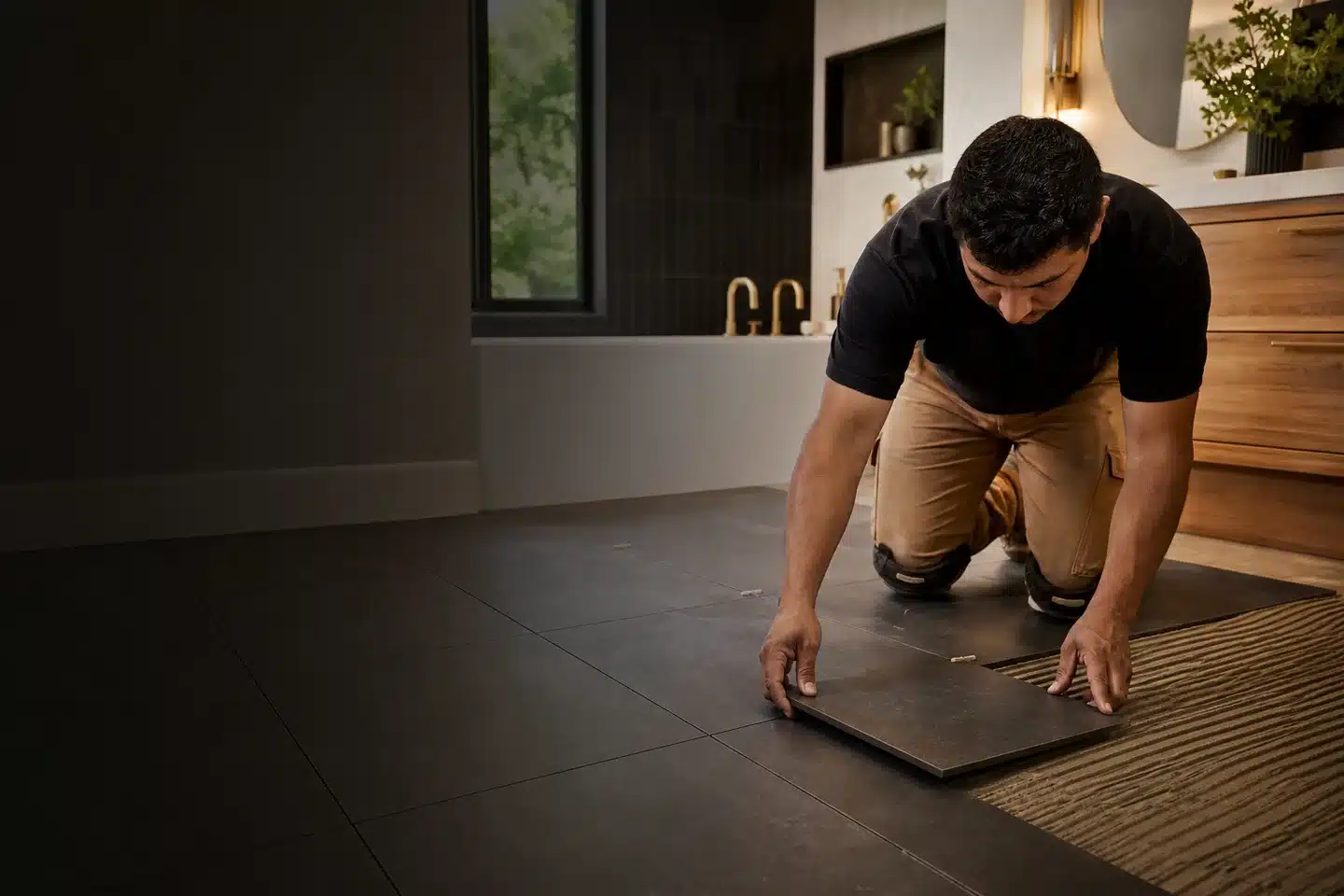
1. Tile handles water-prone rooms better than many flooring options
Bathrooms, laundry rooms, kitchens, mudrooms, and entries all expose flooring to spills, splashes, tracked-in rain, cleaning products, and occasional plumbing surprises. In those spaces, tile has a clear advantage over materials that can swell, stain, delaminate, or trap moisture when conditions are not ideal.
The important detail is that tile is a system, not just a surface. The right backer or substrate, waterproofing where needed, slope, grout selection, expansion planning, and edge details all affect performance. For wet rooms, the smartest 2026 tile choice is not simply the tile that looks best in the showroom. It is the tile assembly that fits the room’s moisture risk.
2. Tile stays practical in Austin heat
Austin homes often need flooring that feels clean and comfortable through long warm seasons. Tile can help because it does not hold heat in the same way as many soft flooring materials. In kitchens, bathrooms, sunrooms, entries, and high-traffic living spaces, that cooler underfoot feel can be a real comfort advantage.
That does not mean every room should be tile. Bedrooms and media rooms may still call for carpet, wood, or resilient flooring depending on comfort and sound goals. But for spaces where a clean, cool, hard-wearing surface matters, tile fits Austin’s climate better than many buyers expect.
3. 2026 tile designs look warmer and more natural
One reason tile is especially strong for 2026 is design flexibility. Homeowners are no longer limited to cold, glossy, builder-basic squares. Modern tile options include stone looks, handmade textures, concrete tones, warm neutrals, matte finishes, terrazzo-inspired visuals, patterned accents, and larger formats that create a calmer, more continuous look.
Wood-look tile can work where the design goal is warmth but the room still needs a surface that can handle water and cleaning. Stone-look porcelain can give bathrooms and entries a more elevated feel without requiring the same maintenance expectations as some natural stone products. The key is choosing a tile that fits the room, not just a trend photo.
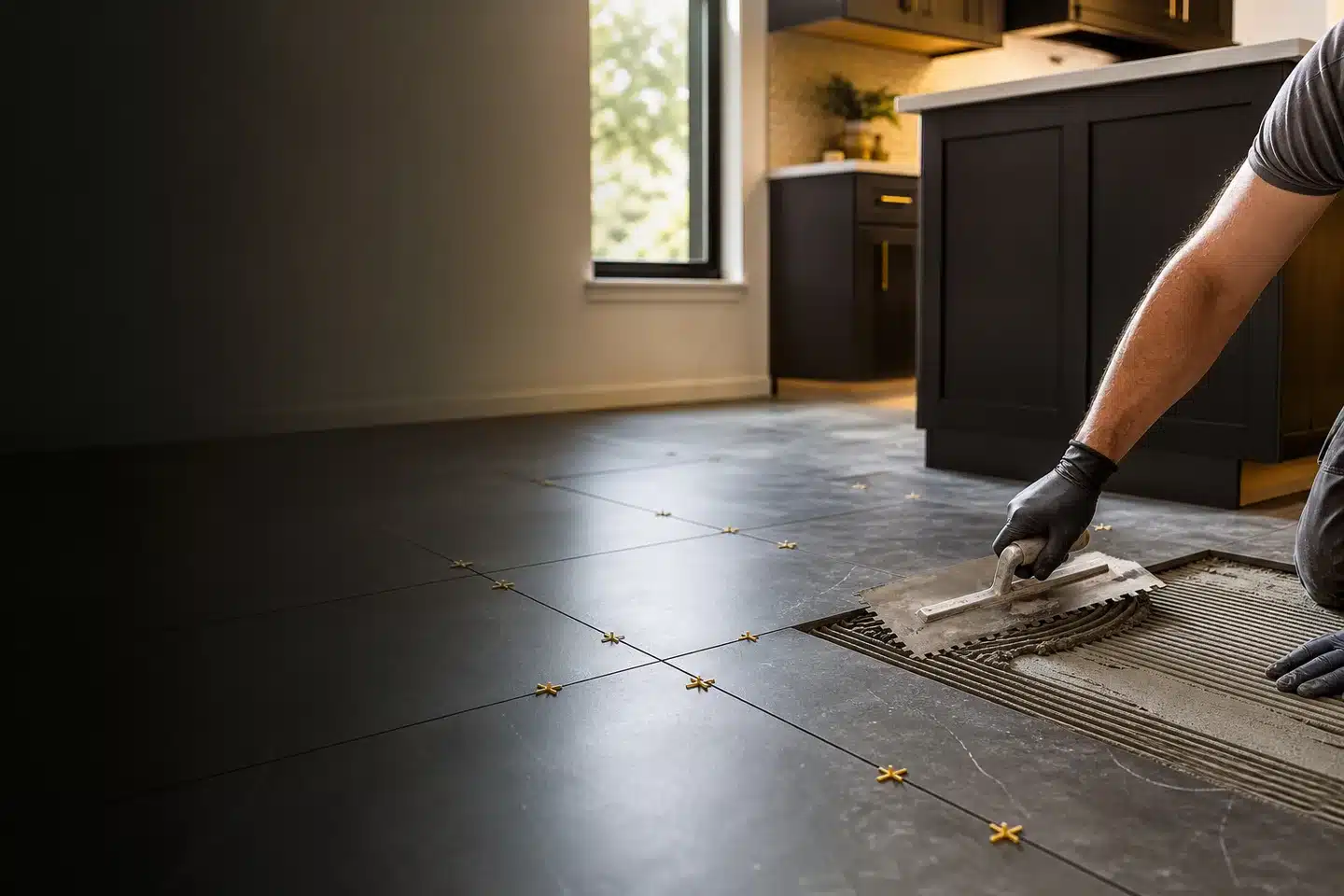
4. Tile is a strong match for pets, kids, and busy entryways
Pet bowls, muddy paws, backpacks, bicycles, strollers, sports gear, and grocery traffic can be hard on flooring. Tile stands out because it is easy to sweep, mop, and spot clean. It also resists many of the surface problems that make softer flooring look worn too quickly in busy rooms.
For families and rental owners, this can make tile a practical long-term choice. A well-selected tile floor can reduce the stress of everyday messes while still looking intentional. For entries, baths, laundry rooms, kitchens, and utility areas, that combination of appearance and toughness is one reason tile remains a smart investment heading into 2026.
5. Tile can support better long-term value when installed correctly
Tile is not always the cheapest flooring to install, especially when old flooring removal, subfloor repair, leveling, waterproofing, layout planning, or detailed cuts are involved. But the value case is strong when the floor lasts, cleans easily, and still looks current years later.
The best return comes from avoiding shortcuts. Uneven subfloors, weak prep, wrong mortar, poor layout decisions, missing movement joints, or rushed grout work can turn a good tile into a frustrating floor. A clear quote should explain prep, removal, underlayment or backer, waterproofing where relevant, grout, transitions, trim, and cleanup before installation begins.
6. Tile pairs well with Austin remodel priorities
Many Austin remodels are trying to do more than replace a worn floor. They need better bathroom function, a kitchen that can handle daily cooking, cleaner rental turnover, updated entryways, or a more modern look without constant maintenance. Tile fits those priorities because it can solve performance and design problems at the same time.
For example, a porcelain tile can give a bathroom a cleaner, more durable surface. A textured tile can improve confidence in an entry or laundry room. A large-format tile can make a kitchen feel more open. A patterned accent can update a powder bath without changing every finish in the house.
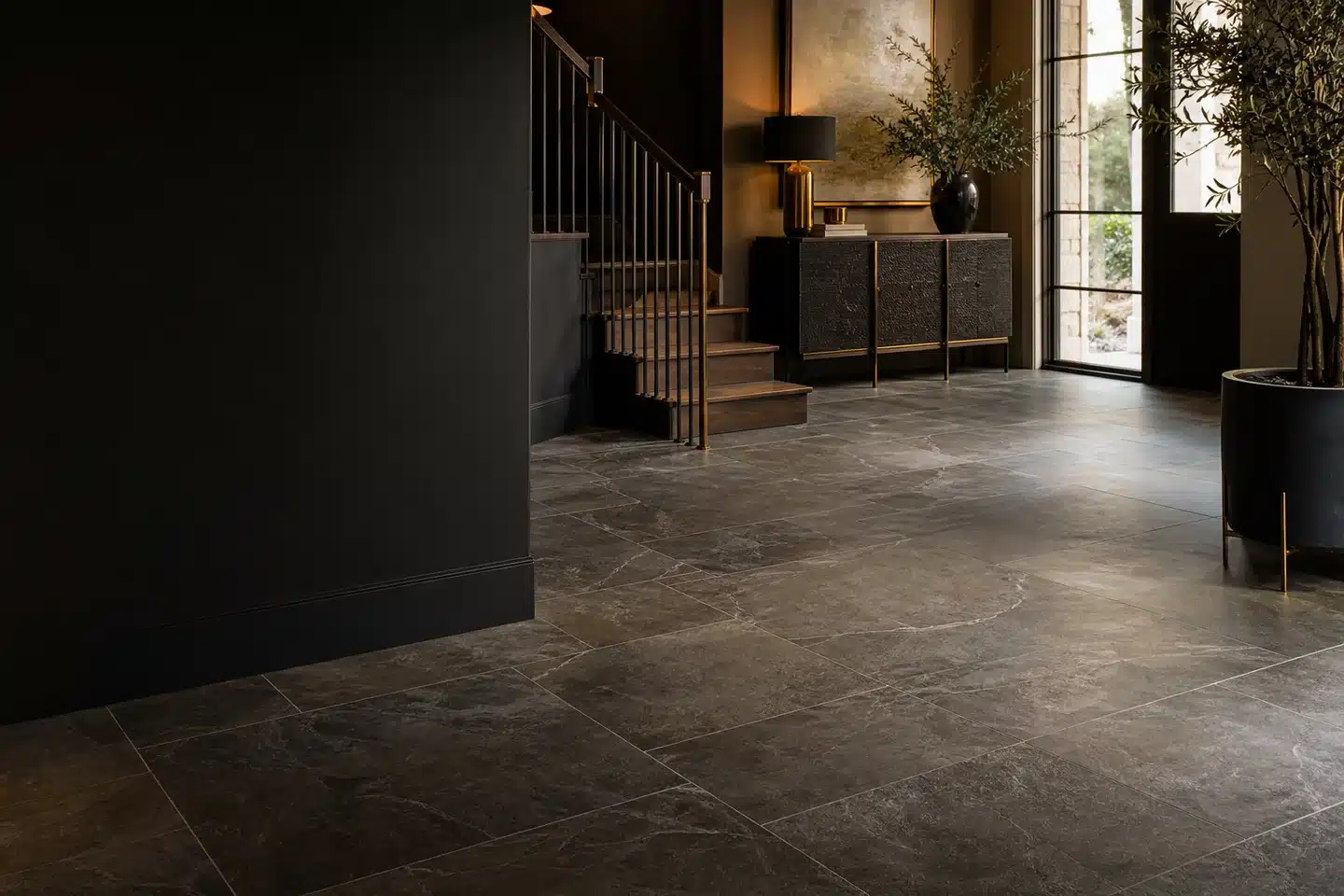
Where tile flooring makes the most sense in 2026
- Bathrooms: tile handles splashes, cleaning, and humidity better than many materials when the waterproofing plan is right.
- Kitchens: tile can stand up to spills, cooking traffic, pets, and daily cleanup.
- Laundry rooms: tile is a practical choice around appliances, moisture risk, and utility traffic.
- Entries and mudrooms: tile handles grit, rain, shoes, and frequent cleaning.
- Rental and high-traffic spaces: durable tile can reduce replacement frequency when the product and installation fit the property.
- Commercial rooms: tile can work well for customer-facing or service areas that need a clean, professional surface.
When tile may not be the best answer
Tile has real advantages, but it is not perfect for every room. It is a hard surface, so some homeowners prefer carpet, hardwood, engineered wood, laminate, or luxury vinyl plank in bedrooms, playrooms, or spaces where warmth and sound control matter more than water resistance. Tile can also feel less forgiving underfoot without rugs or mats in standing areas.
The honest answer is that tile is best when the room needs toughness, cleanability, moisture resistance, and design flexibility. If the room needs softness, quiet, or a lower installed cost, another flooring material may be smarter. That is why Austin Flooring Company compares flooring choices by room use before recommending a material.
Tile flooring quote checklist for Austin homeowners
Before asking for a tile flooring quote, gather details that help the installer separate a simple floor update from a project that needs extra prep. Useful quote details include room photos, current flooring, square footage, slab or subfloor concerns, visible cracks, moisture history, appliance areas, transitions, baseboards, doorways, and whether old tile or adhesive needs removal.
- Photos of the room from multiple corners
- Close-ups of current flooring, cracks, loose areas, or water damage
- Approximate square footage and room dimensions
- Whether the room is a kitchen, bath, laundry, entry, rental, or commercial space
- Preferred tile type, size, color, finish, or product link if already chosen
- Notes about pets, kids, heavy traffic, cleaning routine, and timeline
- Photos of transitions where tile will meet wood, carpet, vinyl, or exterior doors
Bottom line: tile is one of the best 2026 flooring choices for the right rooms
Tile flooring is a top 2026 choice for Austin homes because it answers the problems many rooms actually have: water, heat, traffic, mess, cleaning, and long-term wear. It also offers more design range than many homeowners remember. The smartest tile project is not just about picking a beautiful sample. It is about matching the tile, substrate, grout, layout, and installation plan to the way the room will be used.
If you are comparing tile with vinyl, laminate, hardwood, engineered wood, stone, or carpet, start with the room’s daily needs. For water-prone, high-traffic, easy-clean spaces, tile is often the flooring choice that makes the most sense for 2026 and beyond.
Plan a tile flooring project in Austin
Austin Flooring Company can help compare tile options, review subfloor and moisture concerns, and prepare a clearer installation quote. Start with Austin tile flooring services, compare ceramic tile flooring and stone and tile services, or send project details through the flooring quote page. If you are still comparing materials, review the guide to flooring materials for Austin homes.
Tile flooring FAQs for 2026
Is tile flooring better than LVP in 2026?
Tile can be better than LVP in wet, hot, high-traffic, or design-focused rooms where a hard, long-lasting surface is the priority. LVP may be better when lower installed cost, softer feel, or faster replacement matters more. The best choice depends on the room, subfloor, budget, and maintenance expectations.
What type of tile is best for Austin homes?
Porcelain tile is often a strong option because it is dense, durable, and available in many designs. Ceramic tile can also work well in the right rooms. Natural stone offers a premium look but may need more maintenance. The best tile depends on moisture exposure, traffic, slip resistance, cleaning habits, and design goals.
Is tile too cold or hard for a house?
Tile is a hard surface, so it may not be ideal for every bedroom or lounge space. In Austin, the cooler feel can be an advantage in kitchens, baths, entries, laundry rooms, sunrooms, and busy spaces. Rugs or mats can add comfort in standing areas.
What makes a tile installation quote accurate?
An accurate quote should account for removal, subfloor condition, leveling, waterproofing where needed, tile size, layout, grout, transitions, trim, stairs, appliance areas, and cleanup. Photos and measurements help the installer identify issues before old flooring is removed.