
Waterproof Flooring for Texas Homes: Best Options for Heat, Humidity, Pets, and Slab Floors
Texas homeowners often search for waterproof flooring because daily life is hard on floors. Kitchens, bathrooms, laundry rooms, pets, pool traffic, storms, slab homes, rentals, kids, and spills all create moisture risk. In Austin and Central Texas, the right waterproof floor also needs to handle heat, busy households, and rooms where flooring meets tile, concrete, carpet, hardwood, or exterior doors.
This guide compares the best waterproof flooring options for Texas homes in 2026 and explains what to check before installation. The goal is not to name one material for every room. The right answer depends on the room, subfloor, style, budget, maintenance expectations, and how much water or traffic the floor may actually face.
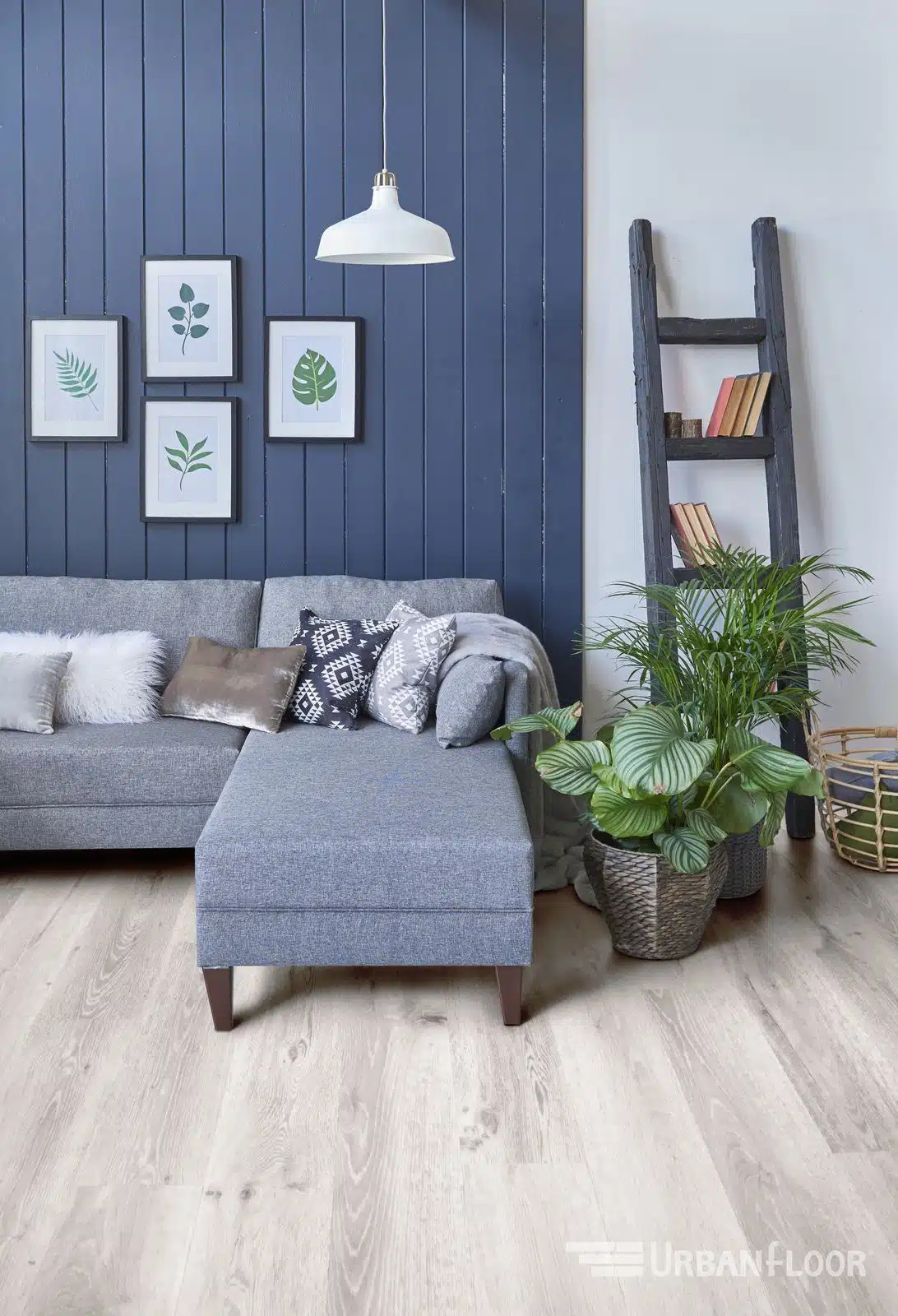
What “waterproof flooring” really means
Waterproof flooring usually means the surface material can resist water better than traditional wood, carpet, or standard laminate. That does not mean every installation is immune to every moisture problem. Edges, seams, transitions, baseboards, wall gaps, subfloor moisture, standing water, and manufacturer instructions still matter.
For example, a waterproof vinyl plank may resist spills on top, but the floor still needs a flat subfloor, correct expansion gaps, clean transitions, and proper trim. Tile handles water extremely well on the surface, but grout, substrate, movement, and waterproofing details matter in showers, bathrooms, and wet areas. Product claims are only one part of the project.
Best waterproof flooring options for Texas homes
The most common waterproof and water-resistant options for Texas homes include luxury vinyl plank, tile, sheet vinyl, waterproof laminate, and some engineered flooring systems. Each one has strengths and tradeoffs.
Luxury vinyl plank
Luxury vinyl plank is one of the most popular waterproof flooring choices for Texas homeowners because it combines moisture resistance, wood-look styles, comfort, and practical maintenance. It can work well in living rooms, kitchens, hallways, bedrooms, rental properties, and pet-friendly homes when the product and subfloor are appropriate.
The biggest installation concerns are flatness, product quality, locking system, transitions, expansion space, trim, and how the floor meets wet rooms or exterior entries. LVP is not a substitute for fixing an uneven slab, but it can be a strong choice when installed over a properly prepared surface.
Tile flooring
Tile flooring is a classic waterproof choice for Texas homes, especially bathrooms, kitchens, laundry areas, entries, patios, and high-traffic rooms. Porcelain tile is durable, heat-tolerant, and easy to clean. It also fits many Texas design styles, from modern to rustic to stone-look interiors.
Tile can be more demanding to install. Substrate, layout, crack isolation, grout, slope, waterproofing where needed, and movement joints all matter. It may also feel harder underfoot than LVP. For homes where water exposure is frequent or heavy, tile is often one of the most durable options when installed correctly.
Sheet vinyl
Sheet vinyl can be a practical water-resistant option for laundry rooms, rentals, utility spaces, and budget-conscious projects. Because it has fewer seams than planks or tiles, it can perform well in certain moisture-prone rooms. It is also often faster to clean and maintain.
The tradeoff is style, edge detailing, repair flexibility, and how well the product fits the room shape. Sheet vinyl still needs smooth prep because bumps, dips, and debris can telegraph through the finished surface.
Waterproof laminate
Waterproof laminate has improved, and some products can work in living areas, bedrooms, and certain kitchens when installed according to manufacturer instructions. It can provide a wood-like feel with better moisture resistance than older laminate products.
Still, waterproof laminate is not all the same. Edge sealing, standing water limits, underlayment, expansion gaps, room use, and warranty language matter. If pets, spills, kids, or rental traffic are the main concern, compare laminate against LVP versus laminate before choosing.
Engineered wood and water-resistant wood-look options
Some engineered wood and hybrid products offer improved moisture resistance, but they are usually not the same as fully waterproof vinyl or tile. They may be better for style-focused rooms where true wood character matters, but they need careful product selection, moisture review, and maintenance expectations.
If you love wood but are concerned about Texas humidity, slab conditions, pets, or spills, compare engineered wood, LVP, and tile side by side. In many busy homes, a wood-look waterproof floor can give the appearance buyers want with easier maintenance.
Best rooms for waterproof flooring in Texas homes
Waterproof flooring is most useful in rooms where spills, humidity, tracking water, cleaning, pets, and daily traffic are common. It can also simplify maintenance in rentals and family homes.
- Kitchens: LVP, tile, and sheet vinyl are common because cooking spills, sinks, dishwashers, and heavy traffic are normal.
- Bathrooms: tile is often strongest for wet areas, while LVP may work in half baths or certain full baths with proper details.
- Laundry rooms: waterproof surfaces help around washers, utility sinks, and cleaning traffic.
- Entries and mudrooms: tile and LVP handle shoes, rain, dust, and exterior door traffic.
- Living rooms and bedrooms: LVP can offer water resistance with a warmer look and softer feel than tile.
- Rental homes: waterproof and easy-clean materials can reduce maintenance between tenants.
- Pet-friendly homes: LVP and tile are often easier to clean than carpet or traditional wood.
Why Texas slab homes need extra planning
Many Austin-area homes have concrete slab foundations. A slab can be a good base, but it should still be checked for flatness, cracks, old adhesive, paint, moisture signs, and previous flooring residue. Waterproof flooring does not remove the need for subfloor prep.
Flatness is especially important for floating LVP and laminate. If the slab has dips or high spots, the locking system can flex, separate, or feel uneven. Tile has different substrate needs, and large-format tile may reveal floor variation quickly. Good prep protects the floor you paid for.
Common mistakes when buying waterproof flooring
Most waterproof flooring mistakes happen before installation starts. Buyers focus on color and price, then discover product, trim, prep, or warranty issues too late. Use this checklist before ordering material.
- Assuming “waterproof” means standing water can sit forever
- Ignoring subfloor flatness or old adhesive
- Buying flooring without matching stair noses, reducers, or transitions
- Choosing a product too thin or weak for pets, rentals, or rolling chairs
- Skipping moisture review on slab floors
- Installing before reading manufacturer requirements
- Using a material in a room it was not designed for
- Forgetting baseboards, shoe molding, door cuts, closets, and exterior entries
How to choose between LVP and tile
LVP and tile are often the two strongest waterproof flooring choices for Texas homes. LVP usually feels warmer and softer, can be faster in many rooms, and offers many wood-look styles. Tile is harder, extremely durable, heat-tolerant, and often best where water exposure is frequent or heavy.
Choose LVP when you want comfort, wood-look style, easier maintenance, and a practical surface for living spaces, bedrooms, hallways, rentals, and pets. Choose tile when you want maximum durability in bathrooms, kitchens, laundry rooms, entries, or rooms where wet cleaning and heavy traffic are the biggest concerns.
What to ask before installation
Before hiring a flooring installer, ask questions that connect the product to your actual home conditions.
- Is this product approved for my room and subfloor?
- What flatness or prep does the floor require?
- Are transitions, stair parts, underlayment, and trim included?
- How should spills, wet shoes, pet accidents, and cleaning be handled?
- Does the manufacturer require expansion gaps or special installation details?
- What happens if old flooring removal reveals cracks, moisture, or uneven areas?
- How will the floor meet tile, carpet, hardwood, concrete, or exterior doors?
Best next step for Texas waterproof flooring
Austin Flooring Company can help you compare vinyl flooring installation, LVP, tile, laminate, engineered wood, and other waterproof or water-resistant options for Texas homes. If you are choosing flooring for a kitchen, bathroom, rental, pet-friendly home, slab foundation, or whole-home replacement, start with the flooring quote page and include room photos, current flooring, moisture concerns, pets, and product links if you have them.
Waterproof flooring FAQs
What is the best waterproof flooring for Texas homes?
For many Texas homes, luxury vinyl plank and tile are the strongest waterproof flooring options. The best choice depends on room use, subfloor condition, budget, pets, style, and how much standing water or heavy traffic the floor may face.
Is waterproof laminate a good choice in Texas?
Waterproof laminate can work in some Texas rooms, but it should be chosen carefully. It is usually more moisture-resistant than traditional laminate, but edges, installation details, standing water, and manufacturer requirements still matter.
Does waterproof flooring still need subfloor prep?
Yes. Waterproof flooring still needs proper subfloor prep. Flatness, cracks, old adhesive, moisture, transitions, and trim planning affect how the finished floor performs even when the surface material resists water.
How Much Does Flooring Installation Cost in Austin, TX? 2026 Guide
Flooring installation cost in Austin, TX is one of the first questions customers search before choosing a contractor. The honest answer is that cost depends on more than square footage. Material choice, removal, subfloor prep, stairs, transitions, trim, furniture, timeline, and room conditions can change the final scope quickly.
This 2026 guide explains the cost factors Austin homeowners and property managers should understand before requesting a flooring quote. It is designed to help you compare estimates more clearly, avoid hidden surprises, and send the right information before installation day.
Why Austin flooring installation prices vary
Two flooring projects with the same square footage can have very different costs. One room may be open, empty, flat, and ready for click-lock LVP. Another may have old tile, adhesive residue, uneven concrete, several doorways, baseboard work, furniture, appliance movement, and a tight move-in deadline. The square footage may be similar, but the labor and risk are not.
That is why the best flooring quote explains the conditions behind the price. A useful estimate should not only say what the new floor costs. It should show what the installer expects to remove, prepare, install, trim, clean, and finish.
1. Flooring material changes the installation cost
Material choice affects both product cost and labor. Vinyl flooring and LVP may be faster in many rooms, but they still need flatness and transition planning. Tile flooring may require more layout, substrate, grout, and setting work. Hardwood and engineered wood need moisture awareness, acclimation, fastening or adhesive decisions, and careful trim details. Carpet, laminate, and floor replacement each have their own scope drivers.
Do not choose material only by the carton price. A floor that is cheaper to buy may be more expensive to install if it requires more prep, has missing trim parts, needs special underlayment, or is not a good match for the room.
2. Removal and disposal can change the budget
Old flooring removal is often one of the biggest reasons quotes differ. Carpet removal is usually different from tile demolition, glued-down wood, sheet vinyl, laminate, old adhesive, or multiple remodel layers. Disposal, dust control, scraping, and haul-away should be listed clearly so you know whether removal is included.
If the existing floor hides slab cracks, moisture marks, loose panels, or uneven patches, additional prep may be needed after removal. A good quote explains how those discoveries will be handled instead of pretending every floor underneath will be perfect.
3. Subfloor prep is where cheap quotes often miss work
Subfloor prep may include patching, leveling, grinding high spots, scraping adhesive, fastening panels, treating cracks, moisture review, or correcting areas that move underfoot. This work is not glamorous, but it protects the finished floor. Many flooring failures begin below the surface.
Austin slab homes can have old adhesive, uneven room additions, previous tile removal, cracks, residue, or high and low spots. LVP, laminate, tile, engineered wood, and hardwood all have different prep tolerances. The estimate should explain what is assumed, what is included, and what may be conditional after the old floor is removed.
4. Stairs, transitions, and trim affect the final price
Doorways, stair noses, reducers, thresholds, baseboards, shoe molding, cabinets, fireplaces, closets, and exterior doors can all affect cost. A flooring project with many edges and transitions often takes more time than a simple open room. It may also need matching trim pieces ordered with the material.
Transitions matter because they are visible every day. If LVP meets tile, carpet, hardwood, concrete, or exterior doors, the quote should identify how those edges will be finished. Stairs need extra planning because not every product has a compatible stair-nose system.
5. Furniture, appliances, and access can add labor
A room that is empty and easy to access is different from an occupied home, upstairs condo, office suite, retail space, rental turnover, or property with appliances that must be moved. Furniture, refrigerators, washers, dryers, toilets, large cabinets, pets, elevators, parking limits, and work-hour restrictions can all affect schedule and labor.
Share access details early. If crews need to work around occupied rooms or phase the project so certain areas stay usable, that should be planned before installation day.
6. Timeline can affect flooring installation cost
Fast timelines can change the scope when material availability, trim ordering, demolition, dry time, leveling, adhesive cure time, or commercial access hours are involved. Some projects can move quickly. Others need more time because the prep work has to happen before the finished floor goes down.
If you have a move-in date, tenant turnover, business reopening, or real estate deadline, mention it in the first quote request. That helps the flooring company recommend a material and installation method that fits the schedule instead of discovering a timing conflict too late.
How to compare flooring quotes fairly
When comparing flooring installation quotes in Austin, do not look only at the final number. Compare what each company included. One quote may include removal, disposal, trim, transitions, prep, furniture movement, and cleanup. Another may only include basic installation over a ready floor. Those are not the same offer.
- Does the quote name the rooms and approximate square footage?
- Does it include the material, waste factor, and matching trim?
- Is old flooring removal included or separate?
- Is subfloor prep included, estimated, or conditional?
- Are stairs, doorways, transitions, baseboards, and shoe molding listed?
- Does it mention furniture, appliances, access, cleanup, and haul-away?
- Does it explain what could change after demolition?
- Does it match the product manufacturer’s installation requirements?
What to send for a better Austin flooring estimate
The more useful information you send, the better the first estimate can be. Photos are especially valuable because they show conditions that square footage alone cannot. You do not need a perfect measurement packet to start, but a few clear details can prevent a vague quote.
- Room photos from multiple angles
- Approximate square footage and room list
- Current flooring type and whether it needs removal
- Photos of transitions to tile, carpet, hardwood, concrete, stairs, or exterior doors
- Close-ups of cracks, loose areas, water marks, old adhesive, or uneven spots
- Material links or product names if you already selected flooring
- Notes about pets, tenants, children, rolling chairs, moisture, or heavy traffic
- Timeline, access, parking, furniture, appliances, and occupied-room limits
Cost planning by common flooring project type
Every project still needs its own quote, but these examples show why cost drivers vary by room and material.
- LVP or vinyl plank: common cost drivers include flatness, transitions, trim, product quality, plank layout, stairs, and old flooring removal.
- Tile: cost drivers include demolition, substrate, waterproofing where needed, layout, grout, cuts, floor leveling, and transition details.
- Hardwood or engineered wood: cost drivers include moisture review, acclimation, fastening or adhesive method, trim, stair parts, and subfloor suitability.
- Carpet: cost drivers include pad selection, seams, stairs, furniture, tack strip, removal, and disposal.
- Rental or commercial projects: cost drivers include schedule, durability, access, phased work, material availability, and repair planning.
Best next step for an accurate quote
Austin Flooring Company can help compare material, installation method, prep, timeline, and quote scope for Austin flooring services, Texas flooring installers, vinyl plank, tile, laminate, carpet, hardwood, engineered wood, and floor replacement. Start with the flooring quote page and include photos, measurements, material details, and timing. If you are still deciding what material fits your rooms, review the flooring materials guide before buying.
Flooring installation cost FAQs
What affects flooring installation cost in Austin TX?
Flooring installation cost is affected by material, square footage, old flooring removal, subfloor prep, stairs, trim, transitions, furniture, appliances, access, timeline, and whether the project is residential, rental, or commercial.
Why do flooring quotes vary so much?
Flooring quotes vary because some include prep, removal, disposal, trim, transitions, and furniture handling while others price only basic installation. Compare the written scope before comparing price.
How can I get a more accurate flooring estimate?
Send room photos, measurements, current flooring details, material links, transition photos, stairs, damaged areas, timeline, and notes about furniture or appliance movement.
How to Choose a Flooring Company in Austin, TX: 2026 Buyer Guide
Search demand around Austin flooring companies shows buyers are not just looking for a pretty floor. They are trying to figure out who to trust, what a fair quote should include, whether reviews are meaningful, and how to avoid a project that gets more expensive after installation starts. That makes choosing the right flooring company in Austin, TX one of the most important steps before buying material.
This 2026 guide is written for homeowners, landlords, property managers, and small commercial buyers comparing flooring companies in Austin and Central Texas. Use it before requesting a quote, hiring an installer, or ordering vinyl plank, tile, laminate, carpet, hardwood, or engineered wood.
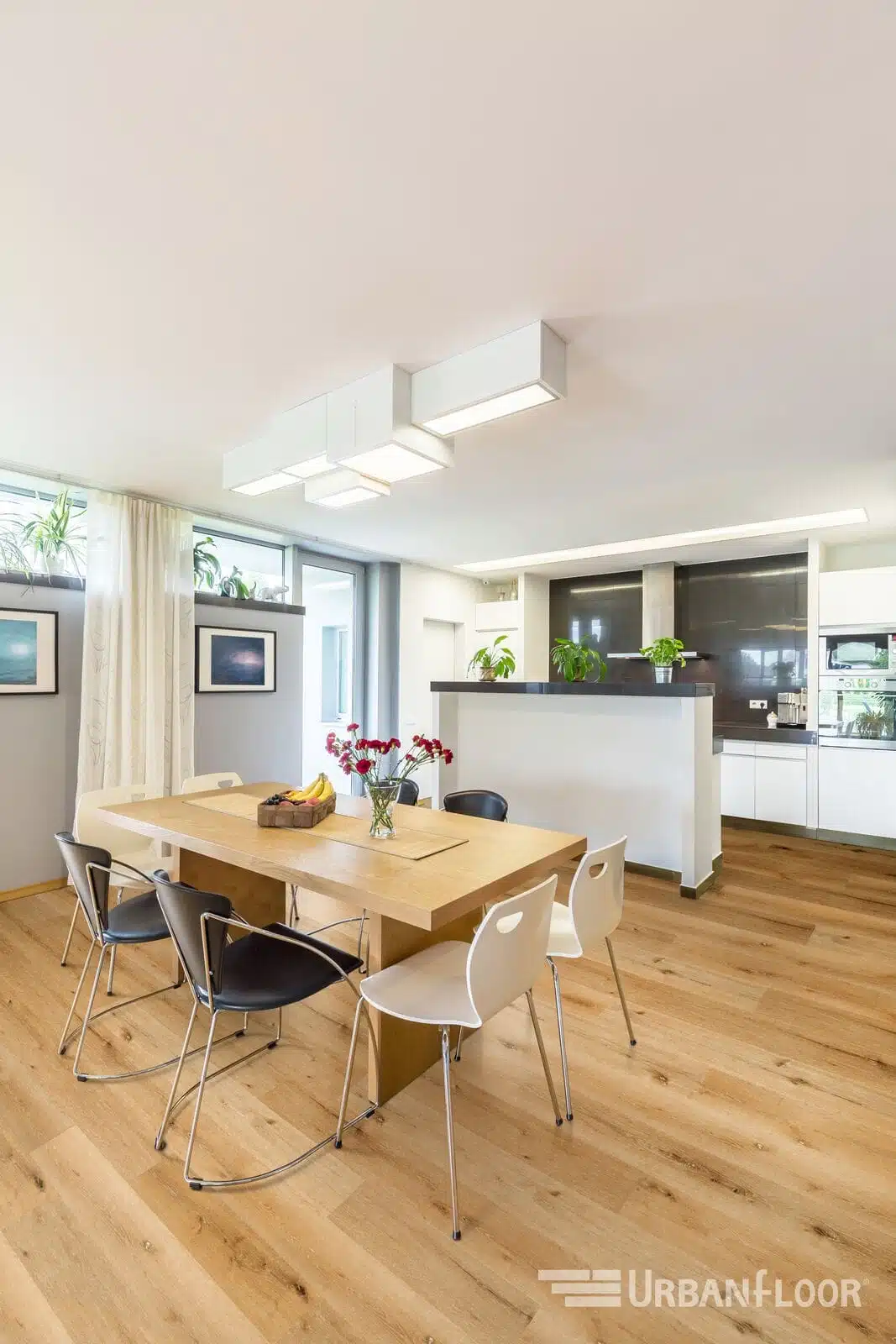
Start with the project type, not the company name
The best flooring company for a tile bathroom may not be the best fit for a fast rental turnover, commercial suite, whole-home LVP project, or detailed hardwood installation. Before comparing companies, write down what kind of project you actually have. Is it a moisture-prone kitchen? A concrete slab with old adhesive? A pet-friendly rental? A staircase? A design-focused living room? A tight move-in timeline?
Austin homes often include concrete slabs, mixed existing floors, older remodel layers, pets, heat, rental traffic, and rooms where flooring meets tile, carpet, hardwood, or exterior doors. The right installer should ask about those details early instead of giving a one-size-fits-all answer.
Compare flooring companies by what they inspect
A good flooring company should care about what is under and around the finished floor. The visible material matters, but most problems start with missed prep, poor flatness, old adhesive, moisture, loose flooring, bad transitions, or unclear trim expectations.
- Current flooring type and whether it must be removed
- Concrete slab or wood subfloor condition
- Flatness, cracks, dips, high spots, and old adhesive
- Moisture risk near kitchens, bathrooms, entries, laundry areas, and exterior doors
- Door clearances, closets, stairs, baseboards, cabinets, and transitions
- Furniture, appliance movement, access, parking, pets, and scheduling limits
If a company does not ask for photos, measurements, material details, transition views, or site conditions, the first quote may be missing important work. That does not always mean the company is bad, but it does mean you should ask what is included and what could change later.
Look for material-specific guidance
Flooring companies should not treat every material the same. Vinyl flooring installation, LVP installation, tile flooring, hardwood flooring, laminate, carpet, and engineered wood all have different prep, trim, installation, maintenance, and warranty concerns.
For example, LVP depends heavily on flatness and transition planning. Tile depends on substrate, layout, grout, and movement details. Hardwood and engineered wood need moisture and acclimation awareness. Carpet needs pad, seams, stretch, and room-use planning. A stronger flooring company will explain why a material fits your rooms instead of just selling the product with the best margin.
Read reviews for specifics, not just stars
Reviews can help, but the most useful reviews describe the project. Look for mentions of communication, showing up on time, clean work, accurate expectations, careful prep, respectful crews, transition details, and how the company handled surprises. Generic five-star comments are nice, but detailed reviews tell you more about how the company works.
Also look for consistency. One perfect review does not prove much, and one complaint may not tell the whole story. Patterns matter. If multiple people mention clear estimates, good cleanup, careful installation, or honest handling of issues, that is stronger evidence than star count alone.
Ask what the quote includes before comparing prices
The cheapest flooring quote can become expensive if it leaves out removal, disposal, leveling, trim, transitions, stairs, furniture movement, appliance handling, floor prep, or change-order rules. A higher quote may be more honest if it includes work another proposal ignored.
Ask each flooring company to separate the main parts of the job. That makes it easier to compare the actual scope instead of comparing one vague square-foot number against another.
- Material and waste factor
- Old flooring removal and haul-away
- Subfloor prep, patching, leveling, or moisture review
- Installation labor and method
- Baseboards, shoe molding, stair parts, reducers, thresholds, and door trims
- Furniture, appliances, cleanup, and project timing
- Warranty notes and what could change after demolition
Watch for red flags before you hire
A flooring project does not have to be complicated, but it should be clear. Be careful when a company gives a firm price without understanding the rooms, pushes you to buy material before checking compatibility, dismisses subfloor concerns, avoids written scope, cannot explain trim details, or treats every material as interchangeable.
Another red flag is a quote that sounds too simple for a project with stairs, old tile, uneven concrete, moisture risk, multiple transitions, commercial access limits, or a strict move-in deadline. Simple rooms can have simple scopes. Complicated rooms need more detail.
Use this Austin flooring company checklist
- Send photos from each corner of the room.
- Include close-ups of transitions, stairs, closets, damage, old adhesive, cracks, or water marks.
- Share approximate square footage and room list.
- Note pets, children, tenants, rolling chairs, heavy traffic, or commercial use.
- Provide product links if you already chose material.
- Ask how the quote handles removal, prep, trim, and change orders.
- Confirm timeline, access, furniture, appliances, parking, and cleanup.
- Ask what warranty or workmanship expectations apply.
Best next step for Austin flooring buyers
If you are comparing flooring companies in Austin, start by making the scope clear. Austin Flooring Company can help review room photos, product choices, installation method, prep concerns, and quote details across Austin flooring services, Texas flooring installers, vinyl, LVP, tile, laminate, carpet, hardwood, engineered wood, and floor replacement.
Use the flooring quote page to send photos and project details, or contact Austin Flooring Company if you want to ask questions before choosing a material or installer.
FAQs about choosing a flooring company in Austin
How do I compare flooring companies in Austin TX?
Compare flooring companies by asking how they inspect the rooms, document subfloor prep, explain material options, handle transitions, price removal and trim, schedule installation, and respond to reviews or warranty questions.
What should a flooring quote include?
A useful flooring quote should include room scope, material, removal, disposal, subfloor prep, installation method, trim, transitions, stairs, furniture handling, timeline, warranty notes, and any items that could change after old flooring is removed.
Should I choose the cheapest flooring installer?
The cheapest installer is not always the best choice because flooring problems often come from missed prep, poor transitions, weak material selection, or unclear scope. Compare what is included before comparing only price.
Why Hardwood Flooring Isn’t Ideal for Many Austin Homes in 2026
Hardwood flooring still has a premium look. It can make a living room feel warm, classic, and valuable. But for many Austin homes in 2026, traditional hardwood is not the most practical first choice. The issue is not that hardwood is bad. The issue is that Austin rooms often have heat, moisture swings, slab conditions, pets, kids, rental turnover, and cleaning demands that can make hardwood harder to live with than homeowners expect.
If you love hardwood, the best approach is to compare it honestly against how the room will be used. A formal dining room or lower-traffic living space may still be a good fit. A wet bathroom, busy kitchen, laundry room, rental entry, pet-heavy hallway, or slab-on-grade remodel may call for something more forgiving. In 2026, Austin homeowners have strong alternatives, including engineered wood, porcelain tile, luxury vinyl plank, stone-look tile, and carpet in rooms where comfort matters most.
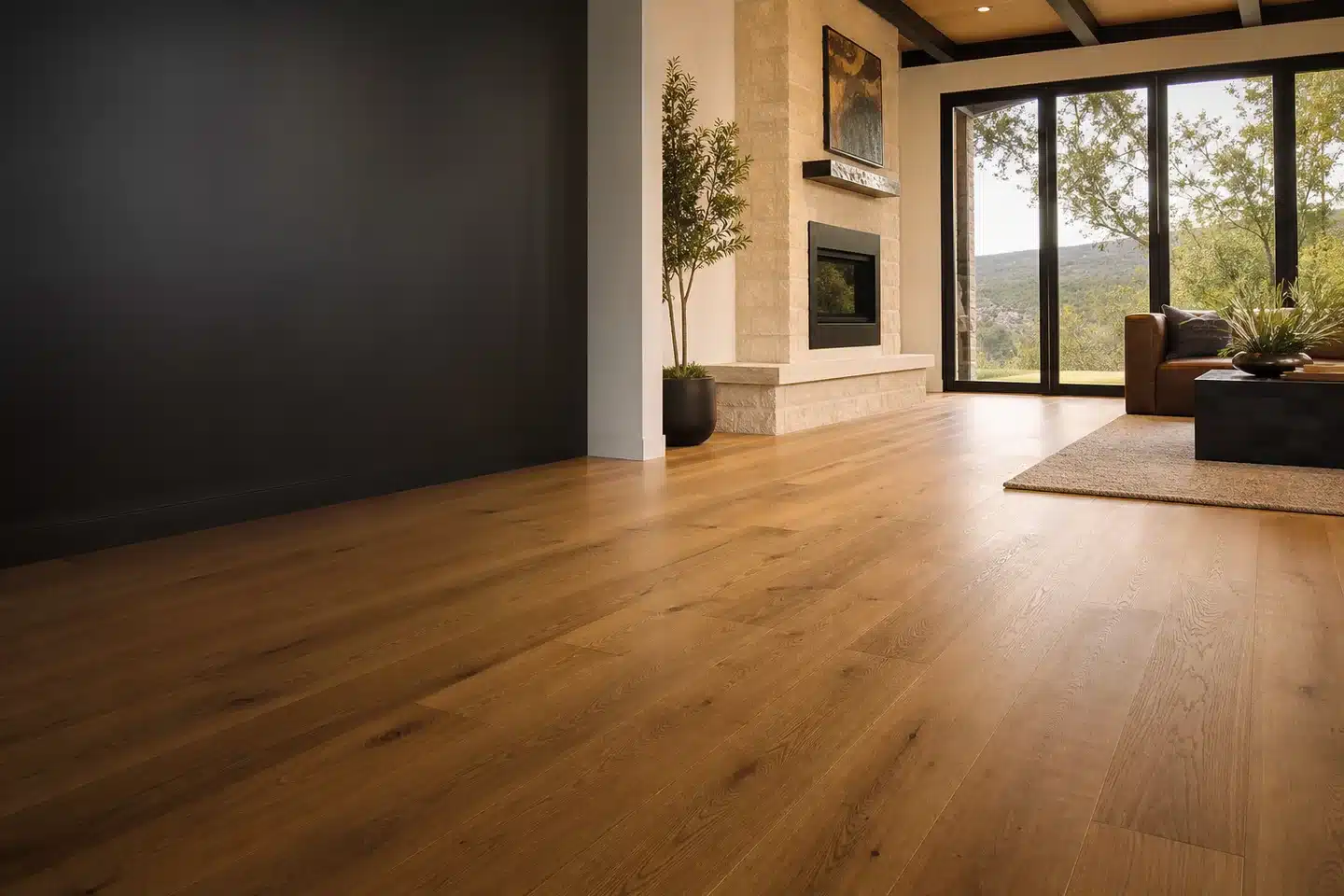
1. Hardwood is more sensitive to moisture than many 2026 flooring alternatives
Moisture is one of the biggest reasons hardwood may not be ideal for many Austin rooms. Wood is a natural material, so it can react when the environment changes. Spills, plumbing leaks, appliance leaks, damp mopping, humidity swings, and moisture coming through a slab can all create problems if the floor is not selected and installed for those conditions.
Bathrooms, laundry rooms, entries, mudrooms, and kitchens are the highest-risk areas. A single spill will not automatically ruin a hardwood floor, but repeated moisture exposure can cause swelling, cupping, staining, finish damage, edge darkening, or board movement. That is why many homeowners now compare hardwood against tile flooring or resilient flooring before choosing a material for water-prone rooms.
2. Austin slab conditions can complicate hardwood installation
Many Austin homes are built on concrete slabs. Hardwood can be installed over some slabs, but the details matter. Moisture testing, flatness, vapor control, adhesives, underlayment, acclimation, and product selection all affect whether the finished floor performs well. A hardwood project can become expensive quickly if the slab needs leveling, moisture mitigation, or extra preparation before installation.
This is one reason engineered wood flooring is often part of the conversation. Engineered wood can offer a real wood surface or wood-forward appearance with more dimensional stability than many solid hardwood products. It is still not the same as waterproof flooring, but it can be a better match for certain slab-on-grade homes when the product and installation method are chosen correctly.
3. Pets, kids, and high traffic expose hardwood faster
Hardwood can age beautifully in the right home. It can also show life quickly in a busy one. Pet nails, sandy shoes, dragged chairs, rolling office chairs, backpacks, toys, sports gear, and daily hallway traffic can scratch or dull the finish. Some homeowners like that natural patina. Others expect the floor to keep a cleaner, newer appearance for longer.
For active households, the question is not only whether hardwood can be repaired. It is whether the homeowner wants the maintenance cycle that comes with it. Area rugs, felt pads, careful cleaning, humidity control, regular sweeping, and occasional refinishing may be part of ownership. If the goal is easier cleanup and less worry, vinyl flooring, tile, or a tougher engineered product may be more practical.
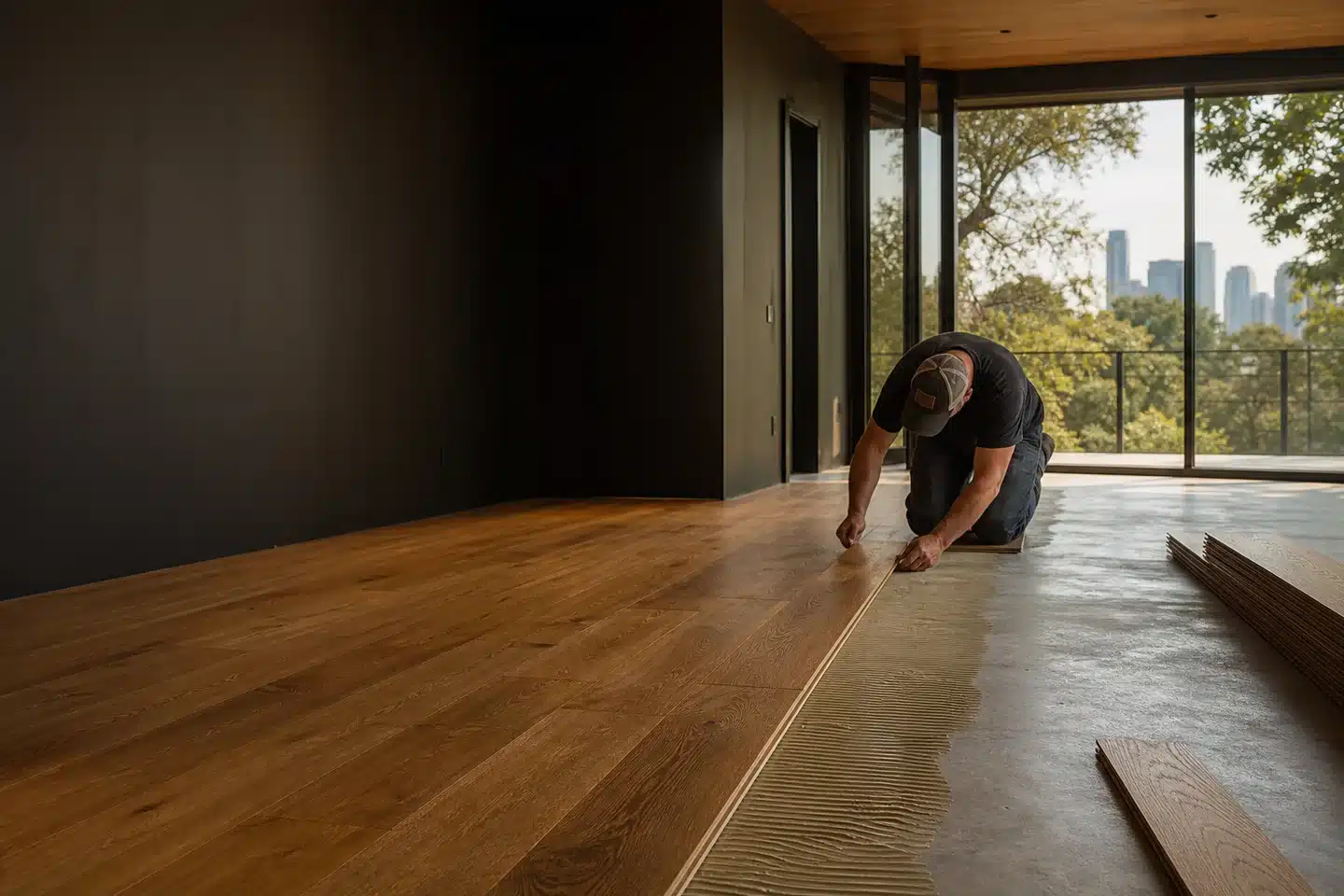
4. Hardwood is often a higher-maintenance choice
Hardwood rewards careful care. It does best with dry sweeping, controlled cleaning products, quick spill cleanup, furniture protection, rug planning, and attention to indoor conditions. That is not a dealbreaker for every homeowner. It can be exactly what someone expects from a premium natural floor. But it is not the easiest flooring choice for people who want simple, low-stress maintenance.
In 2026, many Austin homeowners are prioritizing floors that clean quickly and handle everyday mess. Kitchens, rental properties, short-term rentals, home offices, pet areas, and open-plan living spaces often need durability more than tradition. Hardwood can still work, but the maintenance expectations should be clear before the quote is approved.
5. Refinishing is useful, but it is not free or effortless
One of hardwood’s biggest advantages is that many floors can be refinished. That can extend the life of the floor and restore a worn surface. But refinishing is still a project. It can involve sanding, dust control, odor, drying time, furniture movement, temporary disruption, and a real budget. Some engineered wood products can be refinished only a limited number of times, depending on the wear layer.
Refinishing should be seen as a strength, not a reason to ignore product fit. If a room is likely to see water, heavy pet traffic, repeated scratches, or frequent tenant turnover, the better question may be whether a different material would avoid the refinishing cycle altogether. For some homes, floor repair and refinishing make sense. For others, replacement with a more practical surface may be the better long-term plan.
6. Hardwood may not match 2026 budget priorities
Hardwood can be a premium investment. Product cost, removal, subfloor prep, installation method, trim work, transitions, stairs, acclimation, and finishing details all affect the final number. If the budget needs to cover multiple rooms, repairs, moisture work, or a fast move-in timeline, hardwood may compete with other priorities.
That does not mean cheaper is always better. A low-cost floor that fails early is not a bargain. But homeowners should compare the full installed cost and the expected maintenance cost over time. In many 2026 projects, tile, engineered wood, or vinyl can provide a stronger balance of appearance, durability, schedule, and cost for the room’s actual use.
7. Hardwood is not ideal for every design trend
Hardwood has timeless appeal, but 2026 design trends are broader than traditional wood floors. Homeowners are using large-format tile, warm stone looks, matte porcelain, wood-look tile, waterproof resilient flooring, lighter engineered wood, and mixed-material layouts to solve specific design and performance goals. A bathroom may need texture and water resistance. A kitchen may need easy cleanup. A rental may need fast turnover. A home office may need chair resistance and stable performance.
Hardwood can still be part of a beautiful home, but it should not be chosen only because it feels like the default premium option. The best 2026 flooring decision starts with the room’s use, then compares materials by moisture risk, cleaning needs, comfort, sound, durability, budget, and style.
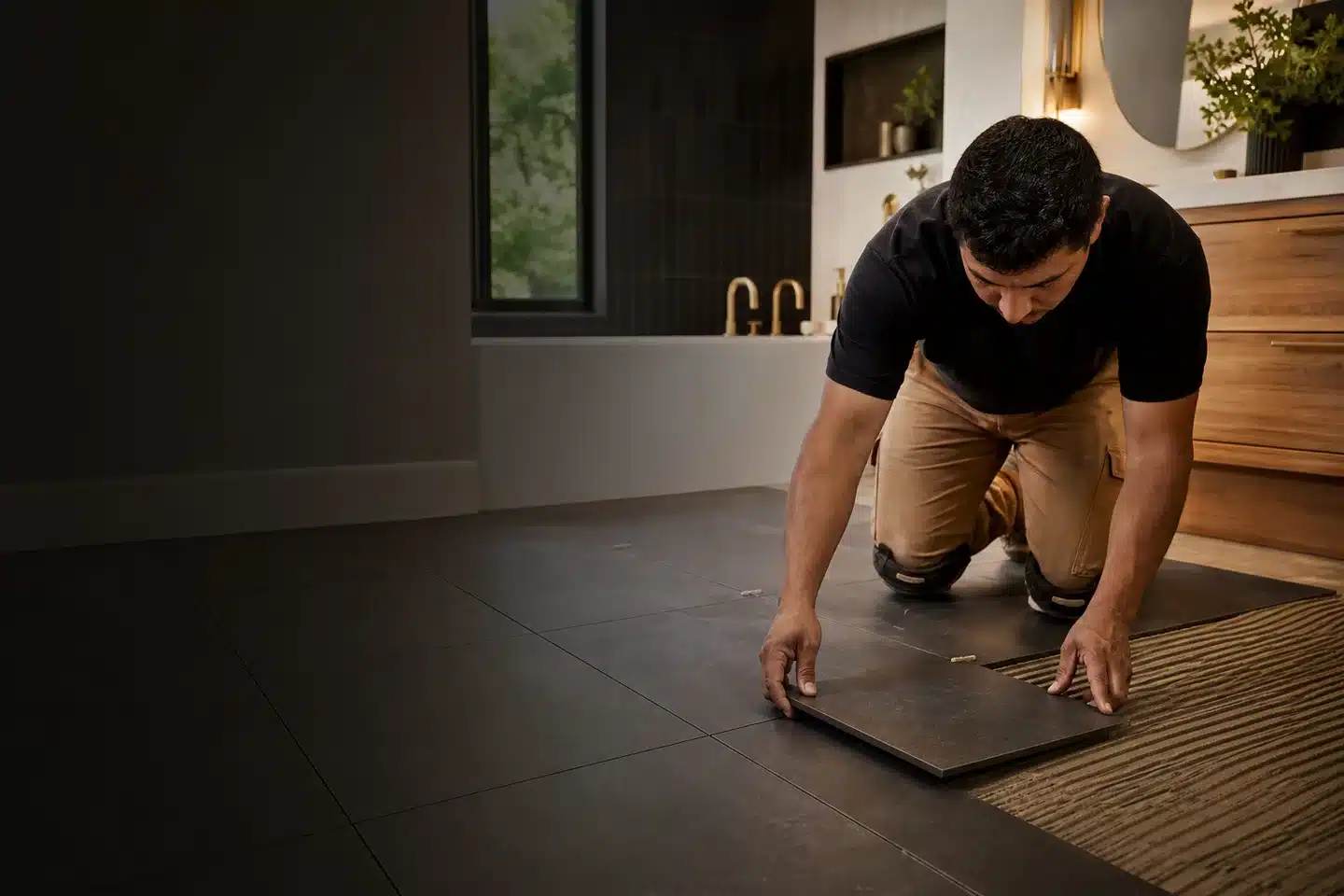
Where hardwood still makes sense
A balanced flooring plan does not dismiss hardwood completely. Hardwood can still be a strong option for living rooms, dining rooms, bedrooms, hallways, and design-focused areas where moisture risk is controlled and the homeowner wants a natural material. It can be especially attractive when the home already has hardwood that can be extended, repaired, or refinished for a consistent look.
The key is setting expectations. Hardwood is best for homeowners who value natural character and are comfortable with care requirements. It is less ideal when the floor needs to resist water, heavy scratching, frequent cleaning, tenant turnover, or budget pressure. A good flooring quote should explain those tradeoffs clearly instead of pushing one material for every room.
Better 2026 alternatives to compare before choosing hardwood
- Engineered wood: a good comparison when you want wood warmth with better dimensional stability than many solid hardwood products.
- Porcelain or ceramic tile: strong for bathrooms, kitchens, laundry rooms, entries, and high-traffic spaces that need moisture resistance and easy cleanup.
- Luxury vinyl plank: useful when budget, softer feel, fast installation, and everyday cleanability matter.
- Stone-look tile: helpful for homeowners who want a premium design direction in wet or high-use spaces.
- Carpet: still worth considering for bedrooms, media rooms, and areas where warmth, sound control, and softness matter more than water resistance.
Hardwood quote questions to ask in 2026
Before approving a hardwood quote, ask practical questions that reveal whether the floor fits the room. The answer should include more than square footage and product price. It should address slab conditions, moisture, installation method, trim, transitions, maintenance, and alternatives.
- Is this room a good candidate for hardwood based on moisture, traffic, pets, and cleaning habits?
- Will the slab or subfloor need moisture testing, leveling, underlayment, or repair?
- Is solid hardwood, engineered wood, tile, or vinyl the better fit for this room?
- What maintenance will this product need after installation?
- How will transitions, baseboards, doorways, stairs, and adjacent flooring be handled?
- Can this product be refinished later, and if so, how many times?
- What happens if there is a plumbing leak, appliance leak, or repeated spill exposure?
Bottom line: hardwood is beautiful, but it is not the default best choice for 2026
Hardwood remains one of the most attractive flooring materials, but many Austin homes need something more practical in 2026. Heat, slab conditions, moisture risk, pets, traffic, maintenance, and budget can make hardwood less ideal than engineered wood, tile, vinyl, or another room-specific option.
The smartest decision is not to avoid hardwood everywhere. It is to use hardwood where its strengths matter and choose other materials where the room demands more moisture resistance, scratch tolerance, easy cleanup, or cost control. That room-by-room approach usually creates a better floor plan than choosing one material for the whole house.
Compare flooring options for your Austin home
Austin Flooring Company can help you compare hardwood flooring, engineered wood flooring, vinyl flooring, stone and tile flooring, and other materials by room use, budget, subfloor, and maintenance expectations. Start with the flooring materials guide, request a project review through the flooring quote page, or contact Austin Flooring Company for help planning the right surface.
Hardwood flooring FAQs for 2026
Is hardwood flooring still worth it in 2026?
Hardwood can still be worth it in rooms where moisture is controlled, traffic is manageable, and the homeowner values natural wood character. It may not be worth it in wet, high-traffic, pet-heavy, or budget-sensitive rooms where another material will be easier to maintain.
What is better than hardwood for Austin kitchens?
Tile, luxury vinyl plank, and some engineered products are often worth comparing for Austin kitchens because they can handle spills and cleaning better than many traditional hardwood floors. The right answer depends on subfloor, budget, design goals, and how the kitchen is used.
Is engineered wood better than hardwood?
Engineered wood is not automatically better, but it can be a better fit for some Austin homes because it is built for more dimensional stability. Solid hardwood may still be preferred when refinishing potential, long-term natural character, and traditional construction are the priority.
Should I replace hardwood with tile or vinyl?
Replacement may make sense if the hardwood is repeatedly damaged by moisture, pets, traffic, or maintenance challenges. Tile can be stronger for wet and high-traffic rooms, while vinyl can be useful when budget, comfort, and quick installation matter. A flooring review can compare repair, refinishing, and replacement before you decide.
Why Tile Flooring Is the Best Choice for Austin Homes in 2026
Tile flooring is one of the strongest flooring choices for Austin homes in 2026 because it fits the way many Central Texas spaces are actually used: hot summers, active kitchens, wet bathrooms, pets, sandy entryways, rental turnover, and design-focused remodels. It is not automatically the right floor for every room, but when the subfloor, tile type, grout, layout, and installation details are handled correctly, tile can outperform softer or more moisture-sensitive materials in the rooms that take the most abuse.
For homeowners comparing flooring options this year, tile deserves a serious look because it combines durability, easy cleanup, cooling comfort, and broad style range. The best tile projects start with a practical question: what does this room need to survive every day? If the answer includes water, heat, traffic, muddy shoes, pets, kids, or frequent cleaning, tile is often near the top of the list.
1. Tile handles water-prone rooms better than many flooring options
Bathrooms, laundry rooms, kitchens, mudrooms, and entries all expose flooring to spills, splashes, tracked-in rain, cleaning products, and occasional plumbing surprises. In those spaces, tile has a clear advantage over materials that can swell, stain, delaminate, or trap moisture when conditions are not ideal.
The important detail is that tile is a system, not just a surface. The right backer or substrate, waterproofing where needed, slope, grout selection, expansion planning, and edge details all affect performance. For wet rooms, the smartest 2026 tile choice is not simply the tile that looks best in the showroom. It is the tile assembly that fits the room’s moisture risk.
2. Tile stays practical in Austin heat
Austin homes often need flooring that feels clean and comfortable through long warm seasons. Tile can help because it does not hold heat in the same way as many soft flooring materials. In kitchens, bathrooms, sunrooms, entries, and high-traffic living spaces, that cooler underfoot feel can be a real comfort advantage.
That does not mean every room should be tile. Bedrooms and media rooms may still call for carpet, wood, or resilient flooring depending on comfort and sound goals. But for spaces where a clean, cool, hard-wearing surface matters, tile fits Austin’s climate better than many buyers expect.
3. 2026 tile designs look warmer and more natural
One reason tile is especially strong for 2026 is design flexibility. Homeowners are no longer limited to cold, glossy, builder-basic squares. Modern tile options include stone looks, handmade textures, concrete tones, warm neutrals, matte finishes, terrazzo-inspired visuals, patterned accents, and larger formats that create a calmer, more continuous look.
Wood-look tile can work where the design goal is warmth but the room still needs a surface that can handle water and cleaning. Stone-look porcelain can give bathrooms and entries a more elevated feel without requiring the same maintenance expectations as some natural stone products. The key is choosing a tile that fits the room, not just a trend photo.
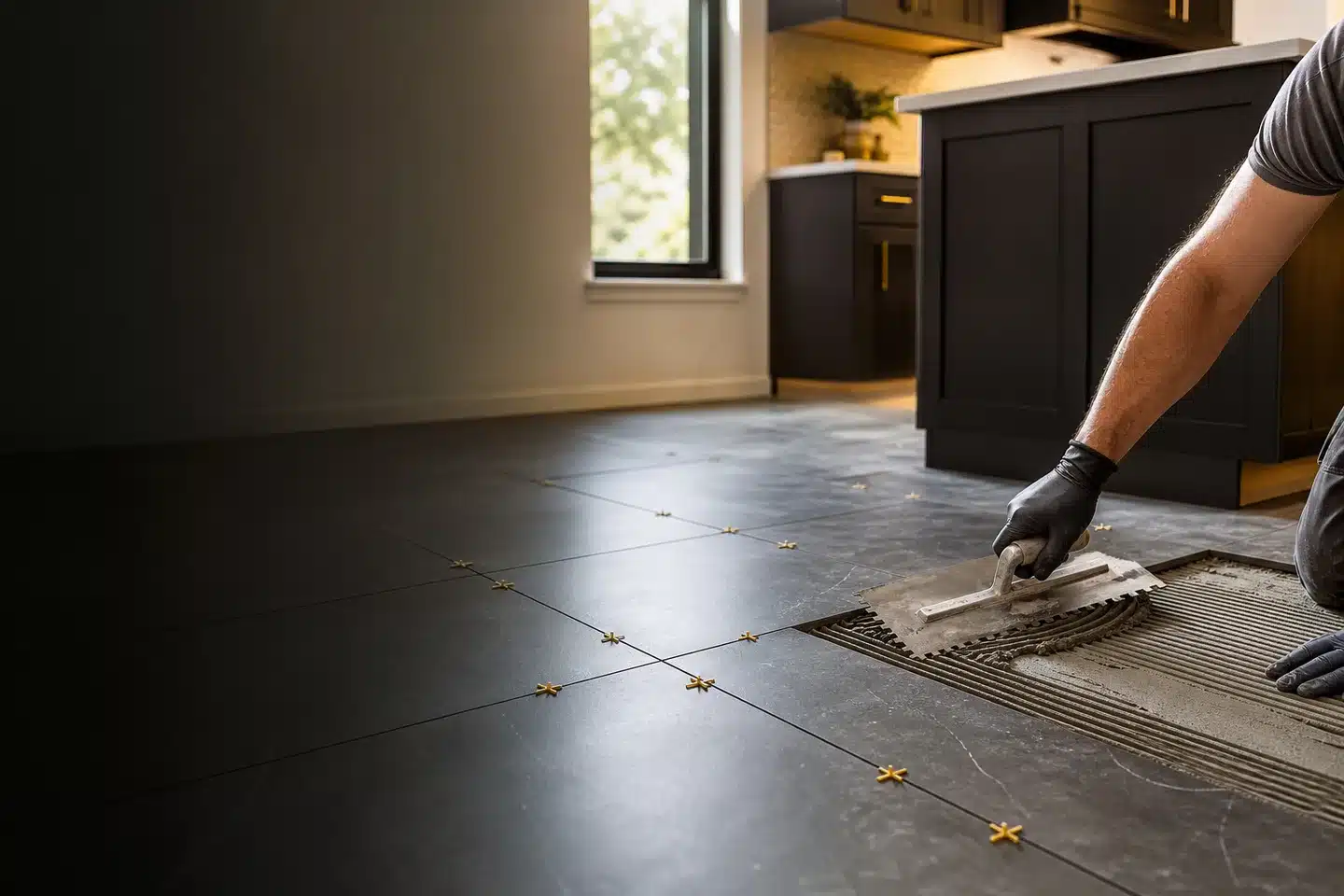
4. Tile is a strong match for pets, kids, and busy entryways
Pet bowls, muddy paws, backpacks, bicycles, strollers, sports gear, and grocery traffic can be hard on flooring. Tile stands out because it is easy to sweep, mop, and spot clean. It also resists many of the surface problems that make softer flooring look worn too quickly in busy rooms.
For families and rental owners, this can make tile a practical long-term choice. A well-selected tile floor can reduce the stress of everyday messes while still looking intentional. For entries, baths, laundry rooms, kitchens, and utility areas, that combination of appearance and toughness is one reason tile remains a smart investment heading into 2026.
5. Tile can support better long-term value when installed correctly
Tile is not always the cheapest flooring to install, especially when old flooring removal, subfloor repair, leveling, waterproofing, layout planning, or detailed cuts are involved. But the value case is strong when the floor lasts, cleans easily, and still looks current years later.
The best return comes from avoiding shortcuts. Uneven subfloors, weak prep, wrong mortar, poor layout decisions, missing movement joints, or rushed grout work can turn a good tile into a frustrating floor. A clear quote should explain prep, removal, underlayment or backer, waterproofing where relevant, grout, transitions, trim, and cleanup before installation begins.
6. Tile pairs well with Austin remodel priorities
Many Austin remodels are trying to do more than replace a worn floor. They need better bathroom function, a kitchen that can handle daily cooking, cleaner rental turnover, updated entryways, or a more modern look without constant maintenance. Tile fits those priorities because it can solve performance and design problems at the same time.
For example, a porcelain tile can give a bathroom a cleaner, more durable surface. A textured tile can improve confidence in an entry or laundry room. A large-format tile can make a kitchen feel more open. A patterned accent can update a powder bath without changing every finish in the house.
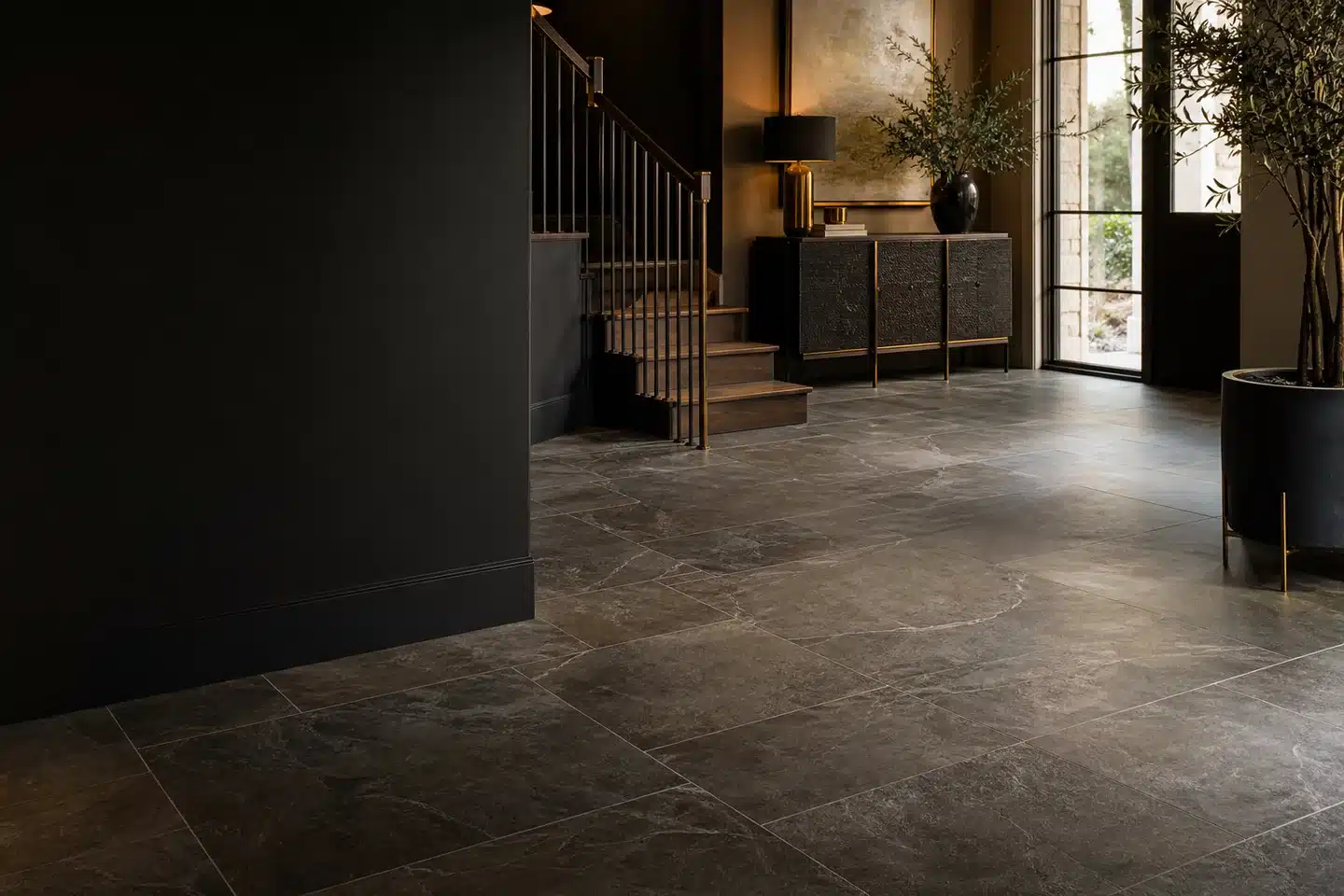
Where tile flooring makes the most sense in 2026
- Bathrooms: tile handles splashes, cleaning, and humidity better than many materials when the waterproofing plan is right.
- Kitchens: tile can stand up to spills, cooking traffic, pets, and daily cleanup.
- Laundry rooms: tile is a practical choice around appliances, moisture risk, and utility traffic.
- Entries and mudrooms: tile handles grit, rain, shoes, and frequent cleaning.
- Rental and high-traffic spaces: durable tile can reduce replacement frequency when the product and installation fit the property.
- Commercial rooms: tile can work well for customer-facing or service areas that need a clean, professional surface.
When tile may not be the best answer
Tile has real advantages, but it is not perfect for every room. It is a hard surface, so some homeowners prefer carpet, hardwood, engineered wood, laminate, or luxury vinyl plank in bedrooms, playrooms, or spaces where warmth and sound control matter more than water resistance. Tile can also feel less forgiving underfoot without rugs or mats in standing areas.
The honest answer is that tile is best when the room needs toughness, cleanability, moisture resistance, and design flexibility. If the room needs softness, quiet, or a lower installed cost, another flooring material may be smarter. That is why Austin Flooring Company compares flooring choices by room use before recommending a material.
Tile flooring quote checklist for Austin homeowners
Before asking for a tile flooring quote, gather details that help the installer separate a simple floor update from a project that needs extra prep. Useful quote details include room photos, current flooring, square footage, slab or subfloor concerns, visible cracks, moisture history, appliance areas, transitions, baseboards, doorways, and whether old tile or adhesive needs removal.
- Photos of the room from multiple corners
- Close-ups of current flooring, cracks, loose areas, or water damage
- Approximate square footage and room dimensions
- Whether the room is a kitchen, bath, laundry, entry, rental, or commercial space
- Preferred tile type, size, color, finish, or product link if already chosen
- Notes about pets, kids, heavy traffic, cleaning routine, and timeline
- Photos of transitions where tile will meet wood, carpet, vinyl, or exterior doors
Bottom line: tile is one of the best 2026 flooring choices for the right rooms
Tile flooring is a top 2026 choice for Austin homes because it answers the problems many rooms actually have: water, heat, traffic, mess, cleaning, and long-term wear. It also offers more design range than many homeowners remember. The smartest tile project is not just about picking a beautiful sample. It is about matching the tile, substrate, grout, layout, and installation plan to the way the room will be used.
If you are comparing tile with vinyl, laminate, hardwood, engineered wood, stone, or carpet, start with the room’s daily needs. For water-prone, high-traffic, easy-clean spaces, tile is often the flooring choice that makes the most sense for 2026 and beyond.
Plan a tile flooring project in Austin
Austin Flooring Company can help compare tile options, review subfloor and moisture concerns, and prepare a clearer installation quote. Start with Austin tile flooring services, compare ceramic tile flooring and stone and tile services, or send project details through the flooring quote page. If you are still comparing materials, review the guide to flooring materials for Austin homes.
Tile flooring FAQs for 2026
Is tile flooring better than LVP in 2026?
Tile can be better than LVP in wet, hot, high-traffic, or design-focused rooms where a hard, long-lasting surface is the priority. LVP may be better when lower installed cost, softer feel, or faster replacement matters more. The best choice depends on the room, subfloor, budget, and maintenance expectations.
What type of tile is best for Austin homes?
Porcelain tile is often a strong option because it is dense, durable, and available in many designs. Ceramic tile can also work well in the right rooms. Natural stone offers a premium look but may need more maintenance. The best tile depends on moisture exposure, traffic, slip resistance, cleaning habits, and design goals.
Is tile too cold or hard for a house?
Tile is a hard surface, so it may not be ideal for every bedroom or lounge space. In Austin, the cooler feel can be an advantage in kitchens, baths, entries, laundry rooms, sunrooms, and busy spaces. Rugs or mats can add comfort in standing areas.
What makes a tile installation quote accurate?
An accurate quote should account for removal, subfloor condition, leveling, waterproofing where needed, tile size, layout, grout, transitions, trim, stairs, appliance areas, and cleanup. Photos and measurements help the installer identify issues before old flooring is removed.