
Why Hardwood Flooring Isn’t Ideal for Many Austin Homes in 2026
Hardwood flooring still has a premium look. It can make a living room feel warm, classic, and valuable. But for many Austin homes in 2026, traditional hardwood is not the most practical first choice. The issue is not that hardwood is bad. The issue is that Austin rooms often have heat, moisture swings, slab conditions, pets, kids, rental turnover, and cleaning demands that can make hardwood harder to live with than homeowners expect.
If you love hardwood, the best approach is to compare it honestly against how the room will be used. A formal dining room or lower-traffic living space may still be a good fit. A wet bathroom, busy kitchen, laundry room, rental entry, pet-heavy hallway, or slab-on-grade remodel may call for something more forgiving. In 2026, Austin homeowners have strong alternatives, including engineered wood, porcelain tile, luxury vinyl plank, stone-look tile, and carpet in rooms where comfort matters most.
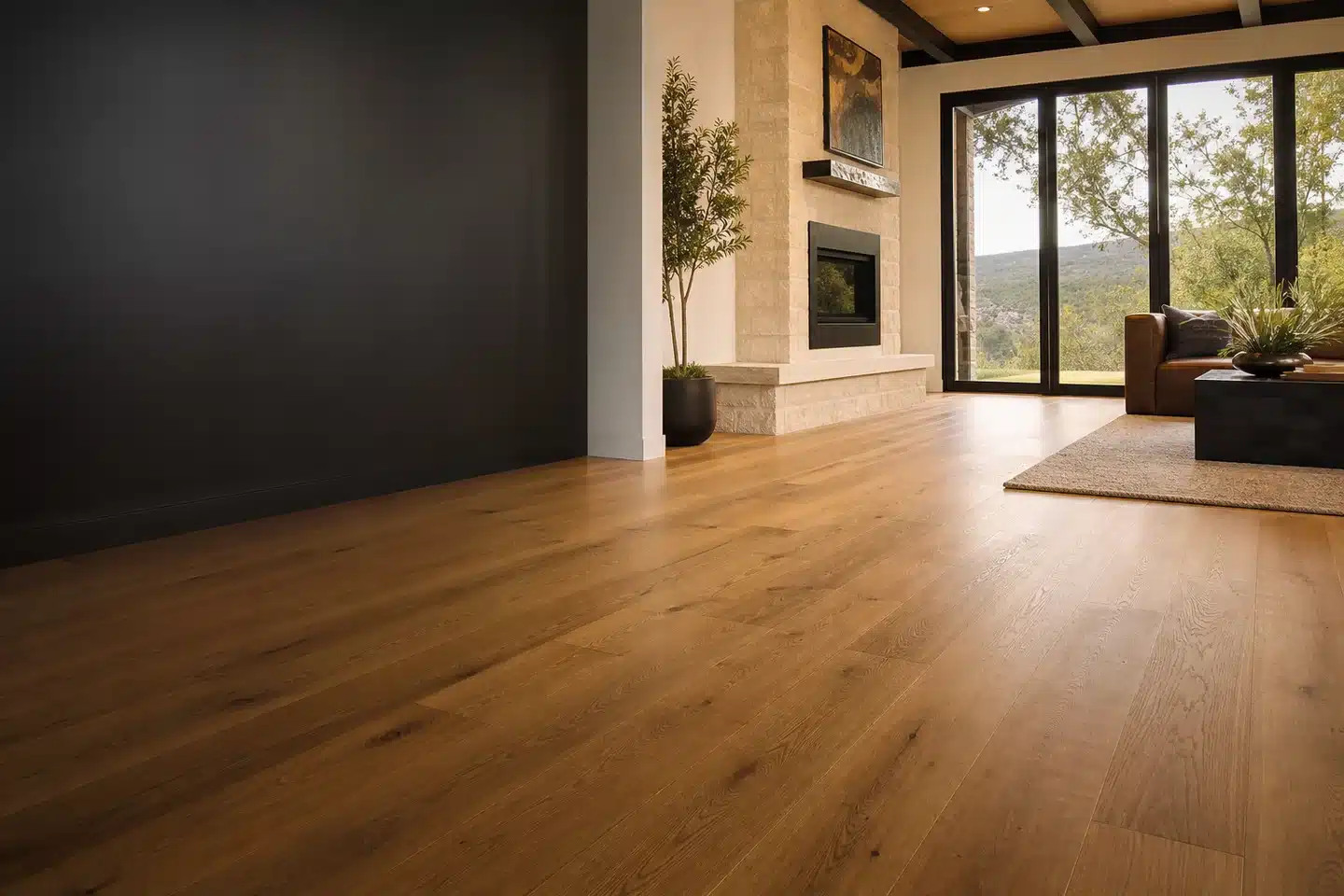
1. Hardwood is more sensitive to moisture than many 2026 flooring alternatives
Moisture is one of the biggest reasons hardwood may not be ideal for many Austin rooms. Wood is a natural material, so it can react when the environment changes. Spills, plumbing leaks, appliance leaks, damp mopping, humidity swings, and moisture coming through a slab can all create problems if the floor is not selected and installed for those conditions.
Bathrooms, laundry rooms, entries, mudrooms, and kitchens are the highest-risk areas. A single spill will not automatically ruin a hardwood floor, but repeated moisture exposure can cause swelling, cupping, staining, finish damage, edge darkening, or board movement. That is why many homeowners now compare hardwood against tile flooring or resilient flooring before choosing a material for water-prone rooms.
2. Austin slab conditions can complicate hardwood installation
Many Austin homes are built on concrete slabs. Hardwood can be installed over some slabs, but the details matter. Moisture testing, flatness, vapor control, adhesives, underlayment, acclimation, and product selection all affect whether the finished floor performs well. A hardwood project can become expensive quickly if the slab needs leveling, moisture mitigation, or extra preparation before installation.
This is one reason engineered wood flooring is often part of the conversation. Engineered wood can offer a real wood surface or wood-forward appearance with more dimensional stability than many solid hardwood products. It is still not the same as waterproof flooring, but it can be a better match for certain slab-on-grade homes when the product and installation method are chosen correctly.
3. Pets, kids, and high traffic expose hardwood faster
Hardwood can age beautifully in the right home. It can also show life quickly in a busy one. Pet nails, sandy shoes, dragged chairs, rolling office chairs, backpacks, toys, sports gear, and daily hallway traffic can scratch or dull the finish. Some homeowners like that natural patina. Others expect the floor to keep a cleaner, newer appearance for longer.
For active households, the question is not only whether hardwood can be repaired. It is whether the homeowner wants the maintenance cycle that comes with it. Area rugs, felt pads, careful cleaning, humidity control, regular sweeping, and occasional refinishing may be part of ownership. If the goal is easier cleanup and less worry, vinyl flooring, tile, or a tougher engineered product may be more practical.
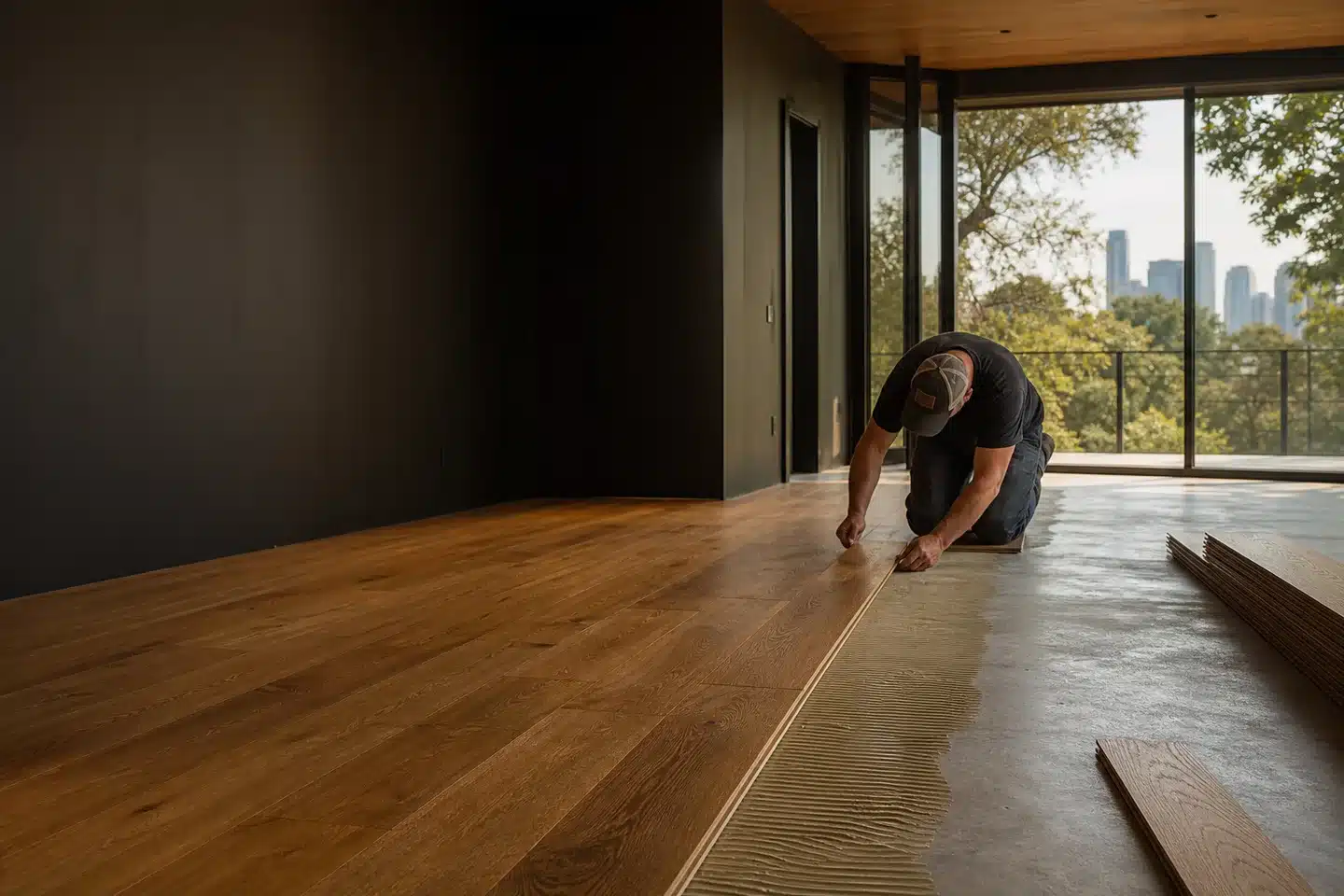
4. Hardwood is often a higher-maintenance choice
Hardwood rewards careful care. It does best with dry sweeping, controlled cleaning products, quick spill cleanup, furniture protection, rug planning, and attention to indoor conditions. That is not a dealbreaker for every homeowner. It can be exactly what someone expects from a premium natural floor. But it is not the easiest flooring choice for people who want simple, low-stress maintenance.
In 2026, many Austin homeowners are prioritizing floors that clean quickly and handle everyday mess. Kitchens, rental properties, short-term rentals, home offices, pet areas, and open-plan living spaces often need durability more than tradition. Hardwood can still work, but the maintenance expectations should be clear before the quote is approved.
5. Refinishing is useful, but it is not free or effortless
One of hardwood’s biggest advantages is that many floors can be refinished. That can extend the life of the floor and restore a worn surface. But refinishing is still a project. It can involve sanding, dust control, odor, drying time, furniture movement, temporary disruption, and a real budget. Some engineered wood products can be refinished only a limited number of times, depending on the wear layer.
Refinishing should be seen as a strength, not a reason to ignore product fit. If a room is likely to see water, heavy pet traffic, repeated scratches, or frequent tenant turnover, the better question may be whether a different material would avoid the refinishing cycle altogether. For some homes, floor repair and refinishing make sense. For others, replacement with a more practical surface may be the better long-term plan.
6. Hardwood may not match 2026 budget priorities
Hardwood can be a premium investment. Product cost, removal, subfloor prep, installation method, trim work, transitions, stairs, acclimation, and finishing details all affect the final number. If the budget needs to cover multiple rooms, repairs, moisture work, or a fast move-in timeline, hardwood may compete with other priorities.
That does not mean cheaper is always better. A low-cost floor that fails early is not a bargain. But homeowners should compare the full installed cost and the expected maintenance cost over time. In many 2026 projects, tile, engineered wood, or vinyl can provide a stronger balance of appearance, durability, schedule, and cost for the room’s actual use.
7. Hardwood is not ideal for every design trend
Hardwood has timeless appeal, but 2026 design trends are broader than traditional wood floors. Homeowners are using large-format tile, warm stone looks, matte porcelain, wood-look tile, waterproof resilient flooring, lighter engineered wood, and mixed-material layouts to solve specific design and performance goals. A bathroom may need texture and water resistance. A kitchen may need easy cleanup. A rental may need fast turnover. A home office may need chair resistance and stable performance.
Hardwood can still be part of a beautiful home, but it should not be chosen only because it feels like the default premium option. The best 2026 flooring decision starts with the room’s use, then compares materials by moisture risk, cleaning needs, comfort, sound, durability, budget, and style.
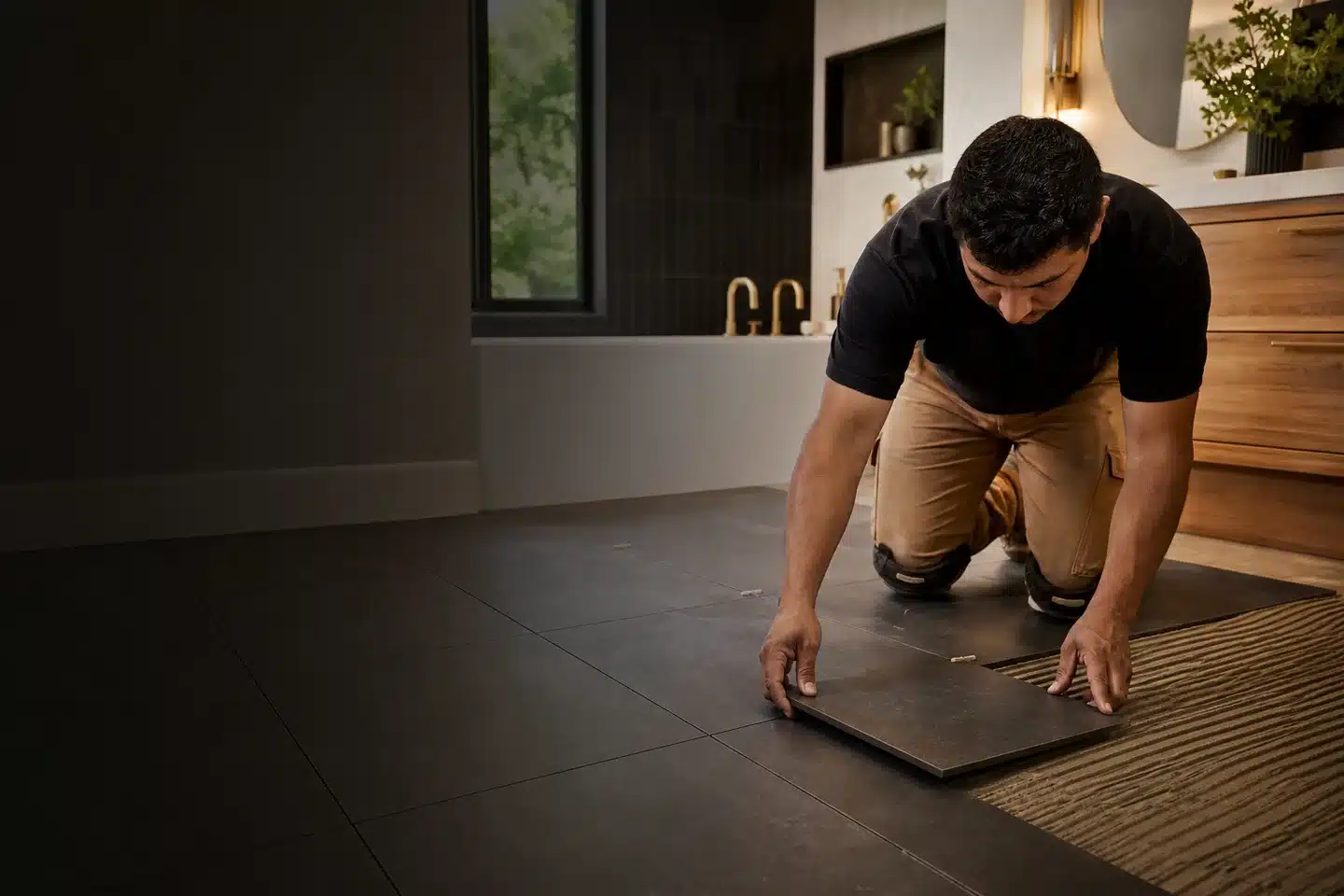
Where hardwood still makes sense
A balanced flooring plan does not dismiss hardwood completely. Hardwood can still be a strong option for living rooms, dining rooms, bedrooms, hallways, and design-focused areas where moisture risk is controlled and the homeowner wants a natural material. It can be especially attractive when the home already has hardwood that can be extended, repaired, or refinished for a consistent look.
The key is setting expectations. Hardwood is best for homeowners who value natural character and are comfortable with care requirements. It is less ideal when the floor needs to resist water, heavy scratching, frequent cleaning, tenant turnover, or budget pressure. A good flooring quote should explain those tradeoffs clearly instead of pushing one material for every room.
Better 2026 alternatives to compare before choosing hardwood
- Engineered wood: a good comparison when you want wood warmth with better dimensional stability than many solid hardwood products.
- Porcelain or ceramic tile: strong for bathrooms, kitchens, laundry rooms, entries, and high-traffic spaces that need moisture resistance and easy cleanup.
- Luxury vinyl plank: useful when budget, softer feel, fast installation, and everyday cleanability matter.
- Stone-look tile: helpful for homeowners who want a premium design direction in wet or high-use spaces.
- Carpet: still worth considering for bedrooms, media rooms, and areas where warmth, sound control, and softness matter more than water resistance.
Hardwood quote questions to ask in 2026
Before approving a hardwood quote, ask practical questions that reveal whether the floor fits the room. The answer should include more than square footage and product price. It should address slab conditions, moisture, installation method, trim, transitions, maintenance, and alternatives.
- Is this room a good candidate for hardwood based on moisture, traffic, pets, and cleaning habits?
- Will the slab or subfloor need moisture testing, leveling, underlayment, or repair?
- Is solid hardwood, engineered wood, tile, or vinyl the better fit for this room?
- What maintenance will this product need after installation?
- How will transitions, baseboards, doorways, stairs, and adjacent flooring be handled?
- Can this product be refinished later, and if so, how many times?
- What happens if there is a plumbing leak, appliance leak, or repeated spill exposure?
Bottom line: hardwood is beautiful, but it is not the default best choice for 2026
Hardwood remains one of the most attractive flooring materials, but many Austin homes need something more practical in 2026. Heat, slab conditions, moisture risk, pets, traffic, maintenance, and budget can make hardwood less ideal than engineered wood, tile, vinyl, or another room-specific option.
The smartest decision is not to avoid hardwood everywhere. It is to use hardwood where its strengths matter and choose other materials where the room demands more moisture resistance, scratch tolerance, easy cleanup, or cost control. That room-by-room approach usually creates a better floor plan than choosing one material for the whole house.
Compare flooring options for your Austin home
Austin Flooring Company can help you compare hardwood flooring, engineered wood flooring, vinyl flooring, stone and tile flooring, and other materials by room use, budget, subfloor, and maintenance expectations. Start with the flooring materials guide, request a project review through the flooring quote page, or contact Austin Flooring Company for help planning the right surface.
Hardwood flooring FAQs for 2026
Is hardwood flooring still worth it in 2026?
Hardwood can still be worth it in rooms where moisture is controlled, traffic is manageable, and the homeowner values natural wood character. It may not be worth it in wet, high-traffic, pet-heavy, or budget-sensitive rooms where another material will be easier to maintain.
What is better than hardwood for Austin kitchens?
Tile, luxury vinyl plank, and some engineered products are often worth comparing for Austin kitchens because they can handle spills and cleaning better than many traditional hardwood floors. The right answer depends on subfloor, budget, design goals, and how the kitchen is used.
Is engineered wood better than hardwood?
Engineered wood is not automatically better, but it can be a better fit for some Austin homes because it is built for more dimensional stability. Solid hardwood may still be preferred when refinishing potential, long-term natural character, and traditional construction are the priority.
Should I replace hardwood with tile or vinyl?
Replacement may make sense if the hardwood is repeatedly damaged by moisture, pets, traffic, or maintenance challenges. Tile can be stronger for wet and high-traffic rooms, while vinyl can be useful when budget, comfort, and quick installation matter. A flooring review can compare repair, refinishing, and replacement before you decide.