
Why Vinyl Flooring Is Ideal for Austin Homes in 2026
Vinyl flooring is one of the most practical flooring choices for Austin homes in 2026 because it solves several real problems at once: busy rooms, pets, tracked-in grit, wet kitchens, rental turnover, design expectations, and budget pressure. It is not the perfect floor for every room, and not every vinyl product is built the same way. But when the product, subfloor, underlayment, installation method, and room use line up, vinyl flooring can give Austin homeowners a strong mix of durability, comfort, style, and easier maintenance.
The strongest vinyl options in 2026 are usually luxury vinyl plank, luxury vinyl tile, and rigid-core products. These can create realistic wood, stone, or tile looks without asking the homeowner to manage the same moisture sensitivity as hardwood or the same hardness as tile. For many Austin kitchens, rentals, home offices, playrooms, entries, and pet-heavy living areas, that balance is exactly why vinyl belongs on the shortlist.
1. Vinyl handles everyday Austin mess better than many floors
Austin homes deal with long warm seasons, outdoor traffic, pets, backyard dust, pool towels, kitchen spills, and active family rooms. Vinyl flooring is popular because it is easier to live with in those conditions than many more sensitive surfaces. Most modern LVP and LVT products are designed for quick sweeping, light mopping, and daily wear without requiring the same maintenance routine as hardwood.
That does not mean vinyl can ignore every problem. Standing water, poor seams, bad subfloor prep, wrong cleaning products, and weak installation can still cause issues. But for normal household use, vinyl often gives homeowners more margin for mistakes. A dropped drink, a muddy entry, a pet bowl, or a busy kitchen does not create the same level of stress as it can with a moisture-sensitive floor.
2. Luxury vinyl plank styles look much better in 2026
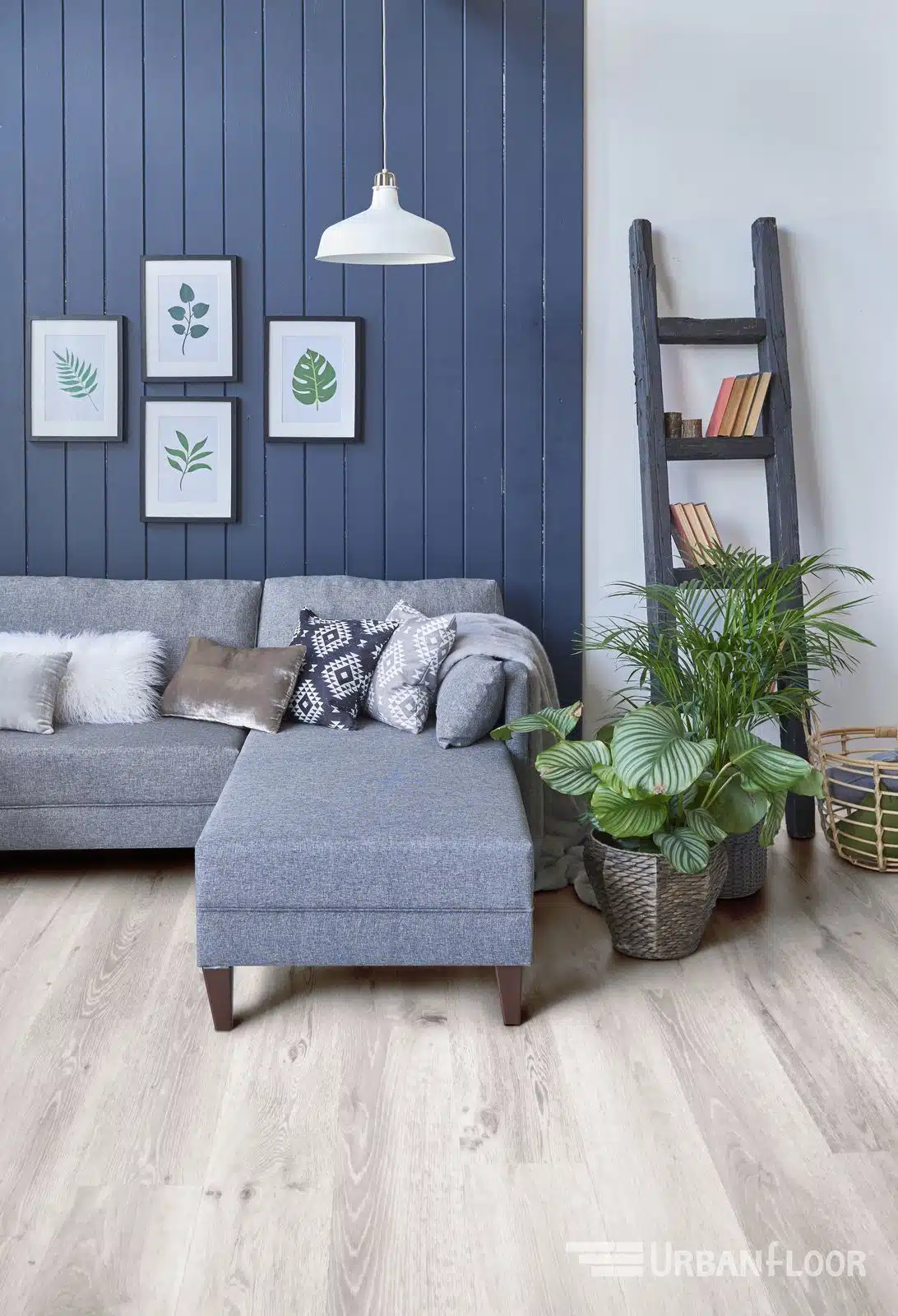
One reason vinyl flooring is ideal for 2026 is that the design quality has improved. Homeowners are no longer limited to flat, shiny, obviously printed patterns. Current LVP styles include warmer oak tones, wider planks, matte finishes, subtle texture, cleaner bevels, stone visuals, and calmer neutral colors that fit modern Austin remodels. Live search evidence also shows Austin competitors emphasizing LVP styles, warm wood visuals, wide planks, and local flooring trend guides, so this is a real customer-facing topic rather than a generic product claim.
For homeowners who like the look of hardwood but do not want hardwood maintenance, vinyl can be a smart compromise. It will not feel exactly like real wood, and it does not carry the same refinishing story. But in rooms where style, budget, moisture resistance, and quick cleanup all matter, vinyl often gives the best overall fit.
3. Vinyl is a strong option for pets, kids, and rentals
Pet nails, water bowls, toys, backpacks, rolling chairs, tenant move-ins, and everyday traffic can wear down flooring quickly. Vinyl is useful because many products are built with durable wear layers that help resist common surface damage. That is one reason landlords, property managers, and busy households often compare vinyl before choosing hardwood, laminate, carpet, or tile.
The wear layer matters. A thin or low-quality product may not perform the way a stronger rigid-core plank does. The quote should identify product thickness, wear layer, installation method, warranty limits, stair parts, transition pieces, and whether the floor is a good match for pets or tenants. Vinyl is practical, but it still needs the right product class for the room.
4. Vinyl can be more comfortable than tile in living areas
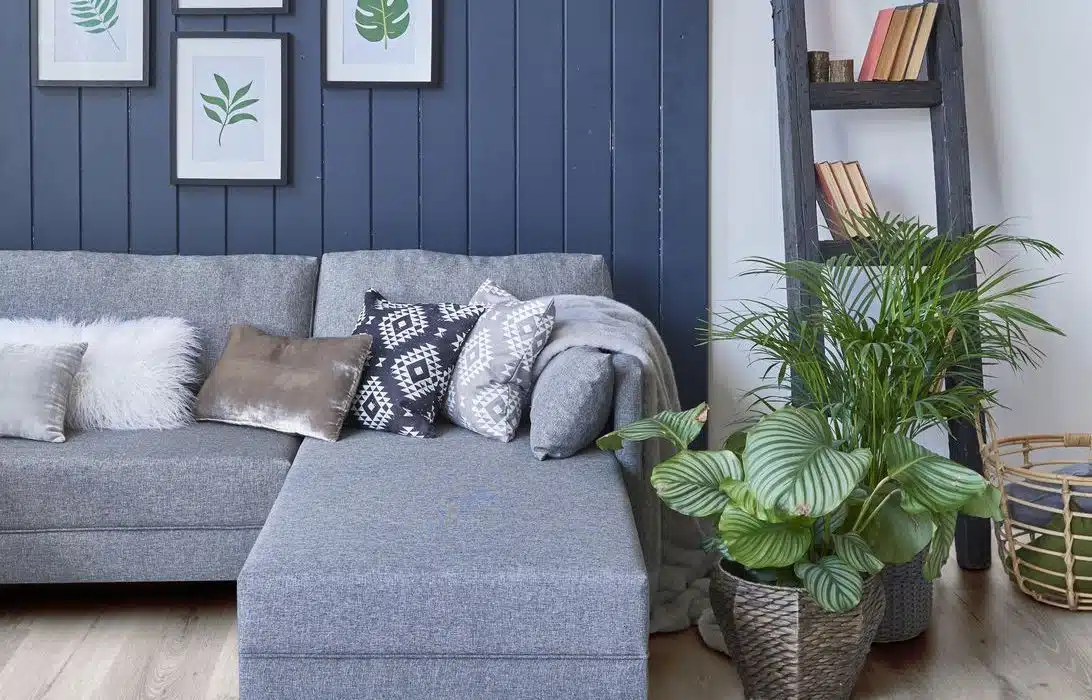
Tile flooring is excellent for many Austin rooms, especially bathrooms, kitchens, laundry spaces, and entries. But tile is hard underfoot. Some homeowners want a floor that still handles traffic and spills while feeling a little softer and warmer in family rooms, bedrooms, home offices, and upstairs spaces. Vinyl can fit that middle ground.
Comfort depends on product construction and underlayment. A rigid-core plank over a flat subfloor will feel different from a thin glue-down product or a poorly prepared floating floor. The best 2026 vinyl plan considers sound, feel, height, transitions, and room use before choosing the product. That is especially important when vinyl will connect to tile, carpet, hardwood, or exterior doors.
5. Vinyl is often easier to budget than hardwood
Hardwood is beautiful, but it can become expensive once product cost, subfloor prep, moisture review, trim, transitions, refinishing expectations, and long-term care are included. That is why the 2026 flooring conversation should compare vinyl against hardwood honestly. For some rooms, hardwood is still worth it. For others, vinyl gives a cleaner budget path without sacrificing the overall design goal.
If you read the companion article on why hardwood is not ideal for many Austin homes in 2026, the main point is not that hardwood is bad. It is that the floor should match the room. Vinyl is ideal when the room needs easier maintenance, moisture tolerance, pet-friendly durability, faster scheduling, or a lower installed cost than many premium wood options.
6. Vinyl can work well over many Austin slab conditions when prep is right
Many Austin properties are built on concrete slabs. Vinyl can be a good fit for slab projects, but the slab still has to be checked. Floor flatness, cracks, moisture, old adhesive, high spots, low spots, and residue can all affect installation. A floating rigid-core plank may need different preparation than a glue-down vinyl tile or plank.
This is where a good quote matters. A low square-foot price can miss the real work if the old floor hides uneven areas or adhesive. Before choosing vinyl, the installer should explain removal, leveling, underlayment, transitions, baseboards, moisture concerns, and any product-specific limits. Vinyl can be forgiving in daily life, but it should not be installed over a poorly prepared surface.
7. Vinyl is useful for fast flooring updates without losing style
Some Austin projects need a practical timeline. Rental turns, short remodel windows, home sale preparation, damaged room replacement, and business updates cannot always wait for a long material or finishing schedule. Vinyl can often move faster than projects that require sanding, finishing, or complicated wet-area tile work.
Speed should still be controlled. Rushing over moisture, skipping floor prep, or using the wrong transition parts can create problems later. The advantage of vinyl is that a well-planned project can often deliver a clean, modern result with less disruption than some alternatives. That makes it a strong 2026 choice for homeowners who need the room back quickly.
Where vinyl flooring makes the most sense in 2026
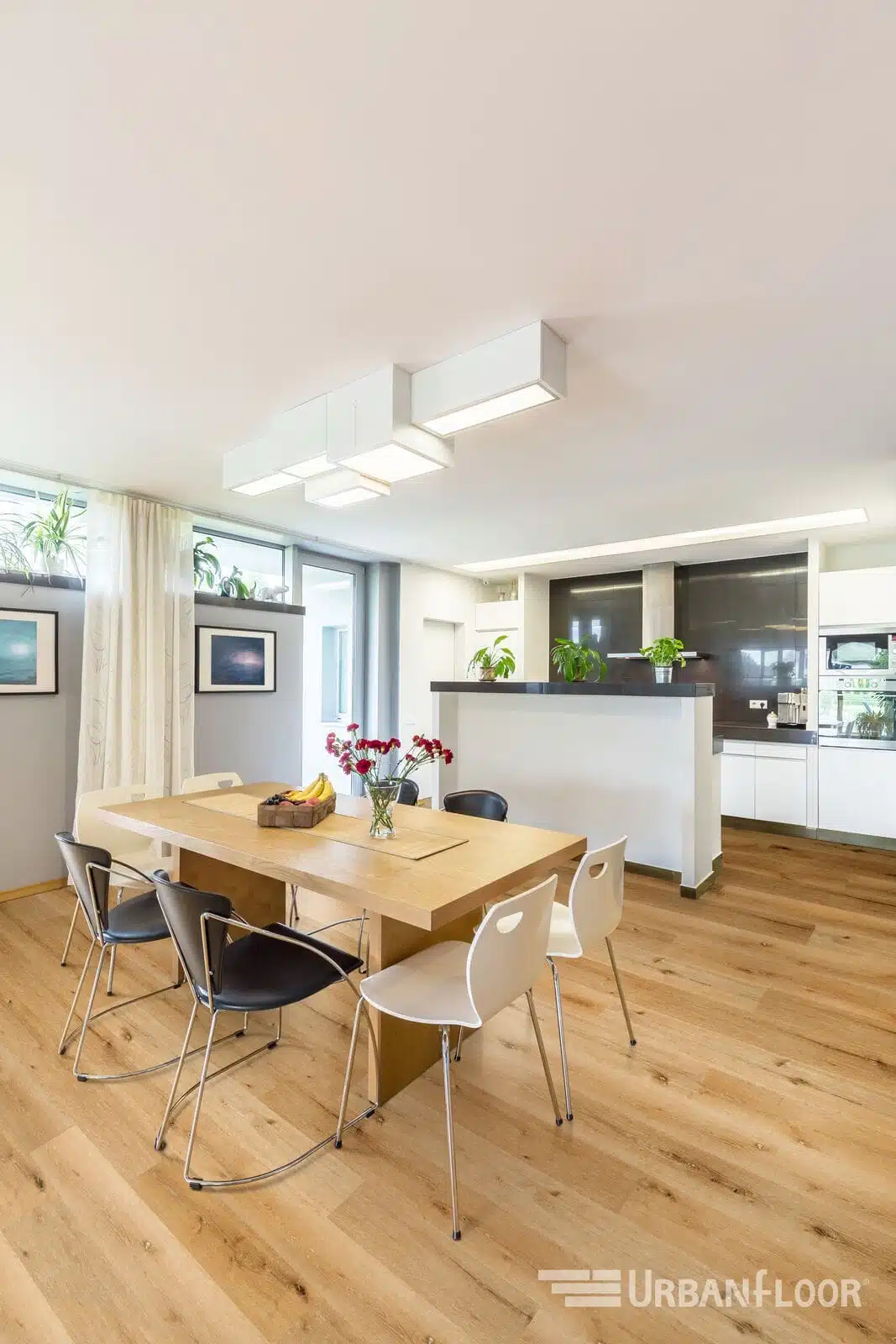
Vinyl is strongest when the room needs durability, easy cleanup, and design flexibility. It can be especially helpful in rooms where hardwood feels risky, tile feels too hard, carpet is not practical, or laminate may face moisture concerns. The best fit depends on the exact product, but these rooms are often worth considering first.
- Kitchens: useful for spills, cooking traffic, pet bowls, and everyday cleaning.
- Living rooms: practical when the family wants a wood look with easier maintenance.
- Rentals: a strong choice when durability, replacement planning, and budget control matter.
- Home offices: helpful for rolling chairs, mixed traffic, and clean wood-look design.
- Bedrooms: a good option when homeowners want cleaner maintenance than carpet.
- Entries and hallways: useful for traffic, shoes, dust, and quick cleanup.
- Laundry-adjacent areas: worth considering when the product and installation are chosen for moisture risk.
When vinyl may not be the best answer
Vinyl is not automatically ideal everywhere. Homeowners who want a natural material, long-term refinishing potential, or premium real-wood feel may prefer engineered wood or hardwood. Rooms that need a hard, heat-tolerant, highly water-resistant surface may be better served by stone or tile flooring. Bedrooms and stairs may still call for carpet when softness and sound control are the main goals.
Vinyl can also be the wrong choice if the selected product is too thin, the subfloor is not flat enough, the installer ignores expansion space, or the room has conditions outside the product warranty. The smartest approach is not to choose vinyl because it sounds easy. It is to choose vinyl because the exact product fits the exact room.
Vinyl flooring quote checklist for Austin homeowners
Before requesting a vinyl flooring quote, gather the details that help separate a simple installation from a project that needs extra prep. Photos and product information are especially useful because they help the installer understand transitions, old flooring, subfloor conditions, and project timing before giving guidance.
- Room photos from multiple angles
- Close-ups of current flooring, damaged spots, cracks, old adhesive, or moisture marks
- Approximate square footage and room list
- Whether the property is a home, rental, office, or commercial space
- Notes about pets, kids, tenants, rolling chairs, water exposure, and cleaning needs
- Preferred vinyl product link, wear layer, plank size, color, and installation instructions if available
- Photos of doorways, stairs, exterior doors, baseboards, closets, and transitions to other floors
- Timeline, furniture needs, appliance movement, and whether old flooring must be removed
Bottom line: vinyl is ideal when Austin rooms need style and practicality
Vinyl flooring is ideal for many Austin homes in 2026 because it gives homeowners a practical answer to everyday use. It can look modern, handle busy rooms, simplify cleanup, support pet-friendly living, and keep projects more budget-conscious than some hardwood or tile paths. It is especially strong when the homeowner wants a wood-look or stone-look surface without choosing the highest-maintenance material for the room.
The best vinyl decision still comes down to product quality and installation planning. Compare wear layer, core type, subfloor prep, moisture conditions, transitions, trim, underlayment, room use, and warranty limits. When those details are handled correctly, vinyl can be one of the smartest flooring choices for Austin homes heading through 2026 and beyond.
Plan a vinyl flooring project in Austin
Austin Flooring Company can help compare vinyl flooring, vinyl flooring installation, LVP installation, laminate, tile, hardwood, engineered wood, and carpet by room use, budget, subfloor, and maintenance needs. Start with the flooring materials guide, request help through the flooring quote page, or contact Austin Flooring Company before buying material.
Vinyl flooring FAQs for 2026
Is vinyl flooring a good choice for Austin homes in 2026?
Yes, vinyl flooring can be a very good choice for Austin homes in 2026 when the room needs easy cleanup, pet-friendly durability, moisture tolerance, realistic style, and budget control. It is especially useful in kitchens, rentals, living areas, entries, bedrooms, and home offices. The product still needs to match the room conditions, subfloor, and warranty requirements.
Is luxury vinyl plank better than laminate?
LVP is often better than laminate when moisture risk, pets, kitchens, entries, or rental turnover are major concerns. Laminate can still be a strong choice in dry rooms where scratch resistance, budget, and wood-look appearance matter. The right answer depends on the product quality, underlayment, floor flatness, and how the room will be used.
Is vinyl flooring waterproof?
Many vinyl products are marketed as waterproof, but the whole flooring system still matters. Seams, edges, walls, subfloor moisture, transitions, and installation details can affect performance. Vinyl is generally more moisture-tolerant than hardwood or many laminate floors, but standing water, leaks, and poor installation should still be handled quickly.
Can vinyl flooring be installed over concrete slabs?
Many vinyl products can work over concrete slabs, but the slab must be reviewed for flatness, cracks, old adhesive, moisture, and surface condition. Floating and glue-down products have different requirements. A good quote should explain slab prep, leveling, underlayment, adhesive, vapor concerns, and transition planning before installation begins.
Is vinyl flooring good for pets?
Vinyl is often a strong pet-friendly flooring option because many products resist everyday scratches, spills, and easy cleanup better than more sensitive materials. Product quality matters. A stronger wear layer, appropriate core, proper installation, and quick cleanup around bowls or accidents will help the floor perform better over time.
What wear layer should I choose for LVP?
The right wear layer depends on traffic, pets, rental use, budget, and warranty expectations. Higher-traffic rooms, rentals, and pet-heavy homes usually need a more durable wear layer than a lightly used bedroom. Ask the installer to compare wear layer, plank thickness, core type, finish texture, and warranty limits before choosing only by color.
Does vinyl flooring lower home value?
Quality vinyl does not automatically lower home value. In the right rooms, it can make a home more practical and updated. Hardwood may still carry a premium feel in certain spaces, but vinyl can be a smarter choice for kitchens, rentals, pet areas, and rooms where moisture or maintenance would make hardwood risky.
How long does vinyl flooring installation take?
Timing depends on square footage, old flooring removal, subfloor prep, furniture, stairs, transitions, and product type. Some vinyl projects are faster than hardwood or tile, but hidden adhesive, leveling, moisture concerns, or complicated trim can add time. Photos and product details help make the schedule more accurate before installation day.
Is glue-down or floating vinyl better?
Neither method is automatically better. Glue-down vinyl can be useful in certain commercial or high-traffic settings when the slab is ready. Floating rigid-core vinyl can work well in many homes and remodels when the subfloor is flat enough and transitions are planned. The best method depends on the product, room, slab, sound goals, and repair expectations.
Can vinyl flooring go in bathrooms?
Vinyl can be used in some bathrooms, but the installation details matter. Edges, seams, toilet areas, transitions, and water exposure should be planned carefully. For heavy wet-room use, tile may still be the stronger long-term choice. For a powder room or light-use bath, the right vinyl product can be practical.
What is the best vinyl color for 2026?
Warm oak, natural brown, soft neutral, matte stone, and realistic wood-look colors are strong 2026 directions because they feel modern without looking overly trendy. Austin homes often benefit from colors that work with heat, light, dust, pets, cabinets, and existing trim. Choose a sample in the actual room before committing.
Can vinyl flooring be repaired?
Some vinyl floors can be repaired by replacing individual planks or tiles, but repair ease depends on product type, installation method, locking system, adhesive, and whether spare material is available. Ordering attic stock during the original project can make future repairs much easier, especially if the color or collection is discontinued.
What can damage vinyl flooring?
Dragging heavy furniture, using harsh cleaners, ignoring standing water, installing over an uneven subfloor, skipping expansion requirements, and using the wrong product for the room can all damage vinyl flooring. Chair pads, furniture protectors, correct cleaning products, and good prep help protect the finished floor.
Should I buy vinyl flooring before getting a quote?
It is usually better to get guidance before buying material. The installer can review product quality, quantity, installation method, room suitability, underlayment, transitions, stair parts, and warranty requirements. Buying first can create problems if the material is not suitable for the slab, room size, moisture conditions, or transition details.
What information helps Austin Flooring Company quote vinyl flooring?
Helpful quote details include room photos, approximate square footage, current flooring, product links, visible damage, moisture concerns, pets, tenants, furniture needs, timeline, and photos of transitions. These details help Austin Flooring Company separate product cost, removal, prep, installation, trim, cleanup, and possible change-order risks before work starts.