
Best Rooms for Vinyl Flooring in Austin Homes in 2026
Vinyl flooring is ideal for many Austin homes in 2026 because it solves practical room-by-room problems instead of only looking good in a showroom. A floor that works in a kitchen may not be the best answer for a bedroom. A floor that works in a rental may need different priorities than a floor for a quiet primary suite. That is where luxury vinyl plank, luxury vinyl tile, and rigid-core vinyl products can be useful: they give homeowners a flexible way to match flooring to real daily use.
This guide focuses on where vinyl flooring makes the most sense in an Austin home. The broad case for vinyl is covered in why vinyl flooring is ideal for Austin homes in 2026, and the product comparison is covered in LVP vs laminate for 2026. This article takes the next step: which rooms should get vinyl first, which rooms need extra caution, and what homeowners should ask before approving a quote.
Why room choice matters for vinyl flooring in 2026
A good flooring plan starts with room use. Austin homes often include concrete slabs, exterior-door traffic, warm weather, pets, backyard dust, pool towels, kids, tenants, home offices, and mixed flooring transitions. Vinyl can be a smart answer because it handles many of those conditions better than more sensitive materials. But the best result still depends on the room, product quality, subfloor, installation method, and expectations.
Search patterns for room-by-room vinyl flooring show people comparing where LVP and LVT perform best, how to install vinyl across multiple rooms, and how to choose vinyl for high-traffic spaces. That matches what homeowners usually need before they buy: not a generic claim that vinyl is good, but a practical plan for kitchens, entries, rentals, bedrooms, living rooms, laundry-adjacent areas, and offices.
Kitchens: one of the strongest rooms for vinyl flooring
Kitchens are one of the best rooms for vinyl flooring in Austin homes. They see cooking traffic, dropped food, pet bowls, chair movement, appliance zones, spills, and frequent cleaning. Hardwood can be beautiful in a kitchen, but moisture risk and maintenance often make homeowners nervous. Laminate can look good, but water getting into seams can be a concern. Tile is durable, but it is harder underfoot and can feel less forgiving during long cooking sessions.
Vinyl flooring fits kitchens because it gives homeowners a practical balance: wood-look or stone-look design, easier cleanup, and more moisture tolerance than many alternatives. The quote should still account for appliances, cabinet toe-kicks, transitions, old flooring removal, slab flatness, expansion space, and how the floor will meet nearby rooms. A kitchen vinyl project is not just a product choice. It is a layout and preparation choice.
Entries and hallways: vinyl works well where traffic starts
Entries and hallways are high-impact areas because they collect shoes, dust, rain, pet traffic, backpacks, strollers, and everyday wear. In Austin, exterior traffic can bring in grit from driveways, patios, yards, job sites, garages, and pool areas. A floor in these areas needs to clean easily and stand up to repeated traffic without making every small mess feel like a problem.
LVP can be a strong fit in entries and hallways when the product has the right wear layer and the installation handles transitions correctly. The important details include door clearances, exterior thresholds, expansion gaps, trim, and the direction of plank runs through narrow spaces. Vinyl can make these rooms easier to maintain, but the project should be planned so the entry does not create awkward cuts or weak transitions.
Living rooms: vinyl gives a wood look with easier maintenance
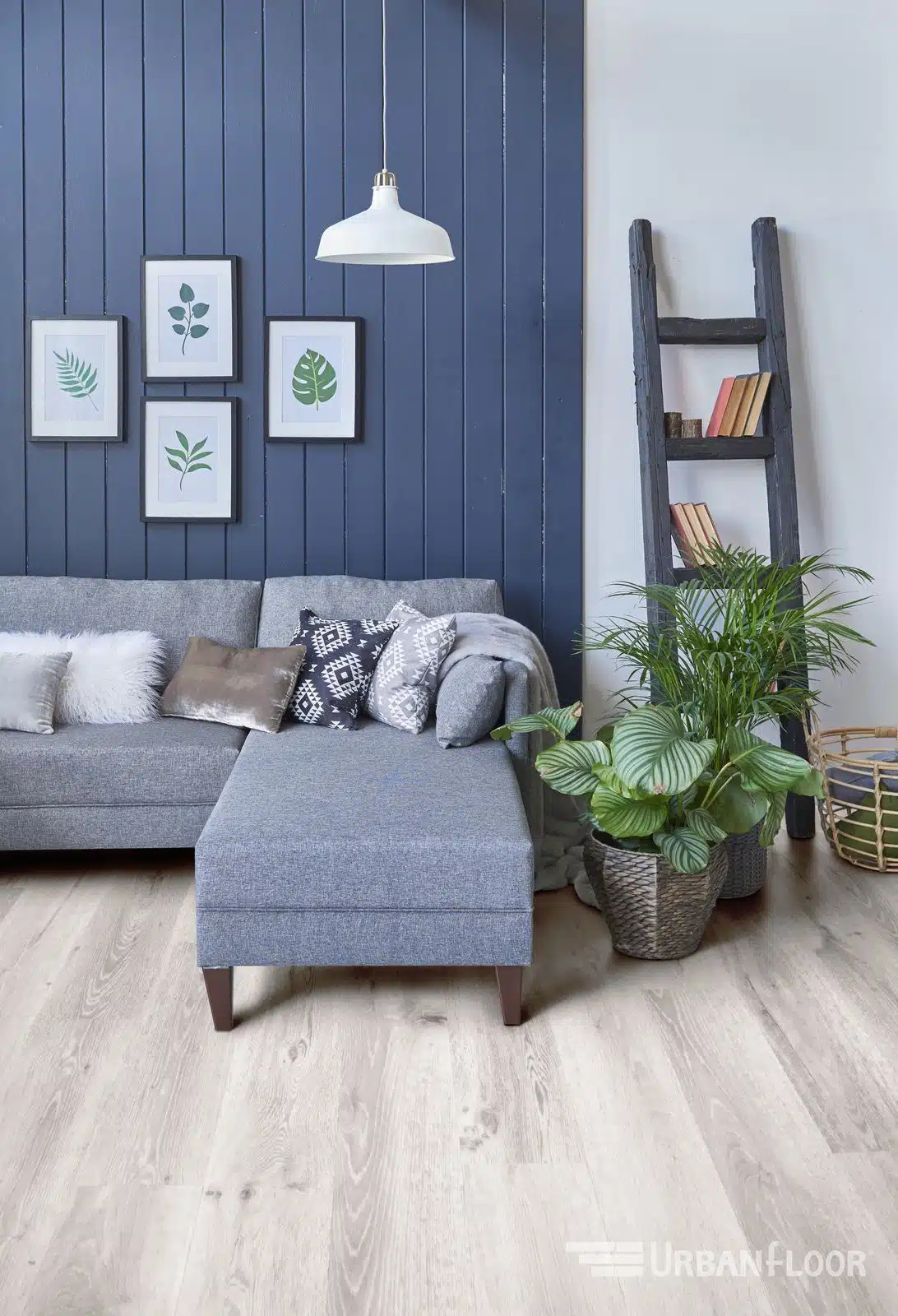
Living rooms are where Austin homeowners often want warmth and style. Many people like the look of hardwood in a living room, but they also want something that can handle pets, furniture, kids, snacks, guests, and daily cleaning. Modern vinyl plank can be useful here because it delivers a calmer wood-look design without asking for the same care routine as real wood.
The best living room vinyl choices in 2026 usually have matte finishes, natural oak or warm neutral tones, realistic texture, and plank widths that fit the room size. A small room may need a different plank visual than an open living area. Homeowners should compare samples in the actual room because Austin light, wall color, furniture, and trim can change how the floor looks throughout the day.
Rentals: vinyl is often the practical turnover choice
Rental properties are one of the clearest places where vinyl flooring can be ideal. Long-term rentals, short-term rentals, garage apartments, duplexes, and investment properties need floors that look current without becoming delicate maintenance problems. Tenants move furniture, clean differently, bring pets, spill drinks, and may not report small leaks quickly. That makes moisture tolerance and replacement planning important.
For rentals, the product should be chosen with wear layer, warranty, attic stock, plank availability, and future repair needs in mind. A lower upfront price is not always the best value if the floor fails early or cannot be matched later. Vinyl can help property owners keep rooms attractive and easier to maintain, especially when spare material is stored for future plank replacement.
Pet-friendly rooms: vinyl handles daily cleanup better
Pets change the flooring decision. Water bowls, food bowls, paws, nails, accidents, hair, outdoor dust, and quick cleanup all matter. Carpet can trap messes. Hardwood can be sensitive to moisture and scratches. Some laminate products resist surface wear well but may be more vulnerable when water reaches the core. Vinyl flooring often gives pet owners a stronger everyday answer because it is easier to wipe, sweep, and maintain.
Product quality still matters. A pet-friendly vinyl plan should look at wear layer, finish texture, slip feel, plank construction, warranty terms, and whether the room has direct exterior access. Furniture pads, quick cleanup, and correct cleaning products still matter too. Vinyl is not indestructible, but it gives busy pet households more breathing room than many more sensitive materials.
Home offices: vinyl can handle chairs and mixed use
Home offices became more important for many Austin homeowners, and the flooring has to handle more than a desk. Rolling chairs, computer equipment, bookshelves, daily foot traffic, and video-call backgrounds all influence the choice. Vinyl plank can work well in offices because it looks clean, does not trap dust like carpet, and can handle mixed residential use when the product is chosen correctly.
The main caution is chair movement. Rolling chairs can wear many floors over time, including vinyl. Homeowners should ask about product rating, wear layer, chair mats, furniture protection, and whether the room needs a denser or higher-performance product. When that is handled, vinyl can be a practical and polished home office floor.
Bedrooms: vinyl works when easy cleaning matters more than softness
Bedrooms are not always the first rooms people associate with vinyl flooring, but they can be good candidates in 2026. Vinyl may make sense when homeowners want easier cleaning than carpet, better pet cleanup, fewer dust concerns, or a consistent floor that carries from a hallway into a bedroom. It can also help rental bedrooms stay cleaner between occupants.
The tradeoff is comfort. Carpet is softer and quieter. If softness, warmth, and sound control are the top priorities, carpet may still win. If easy maintenance, pet use, allergies, rental durability, or a continuous wood-look surface matter more, vinyl becomes a strong option. Area rugs can also add softness while keeping the main floor easier to maintain.
Laundry-adjacent spaces and powder rooms need careful planning
Laundry-adjacent areas, mudroom spaces, powder rooms, and small baths can be good vinyl candidates, but they require careful planning. These rooms may have more water risk, tight cuts, toilets, appliances, thresholds, and wall edges. Vinyl can handle normal moisture better than many alternatives, but leaks, standing water, and poor edge details can still create problems.
For heavy wet rooms, tile may still be the stronger long-term choice. For powder rooms, laundry-adjacent halls, light-use bathrooms, or utility spaces, the right vinyl product can be practical. The quote should explain product approval, seam and edge considerations, toilet and appliance handling, transitions, and what happens if water gets under the floor.
Concrete slab rooms: vinyl can be smart when the slab is ready
Many Austin homes sit on concrete slabs, and slab conditions can make or break a flooring job. Vinyl can be a good fit over concrete, but the slab still needs to be checked for flatness, cracks, moisture, old adhesive, residue, high spots, and low spots. A floating rigid-core vinyl plank may need different prep than glue-down vinyl.
This is where a professional quote is useful. If the slab is uneven, a low material price will not solve the problem. The installer should identify whether leveling, grinding, moisture review, adhesive removal, or underlayment decisions are needed. Vinyl can be ideal for slab rooms, but not when it is rushed over a surface that is not ready.
Open layouts: vinyl can connect rooms, but layout planning matters
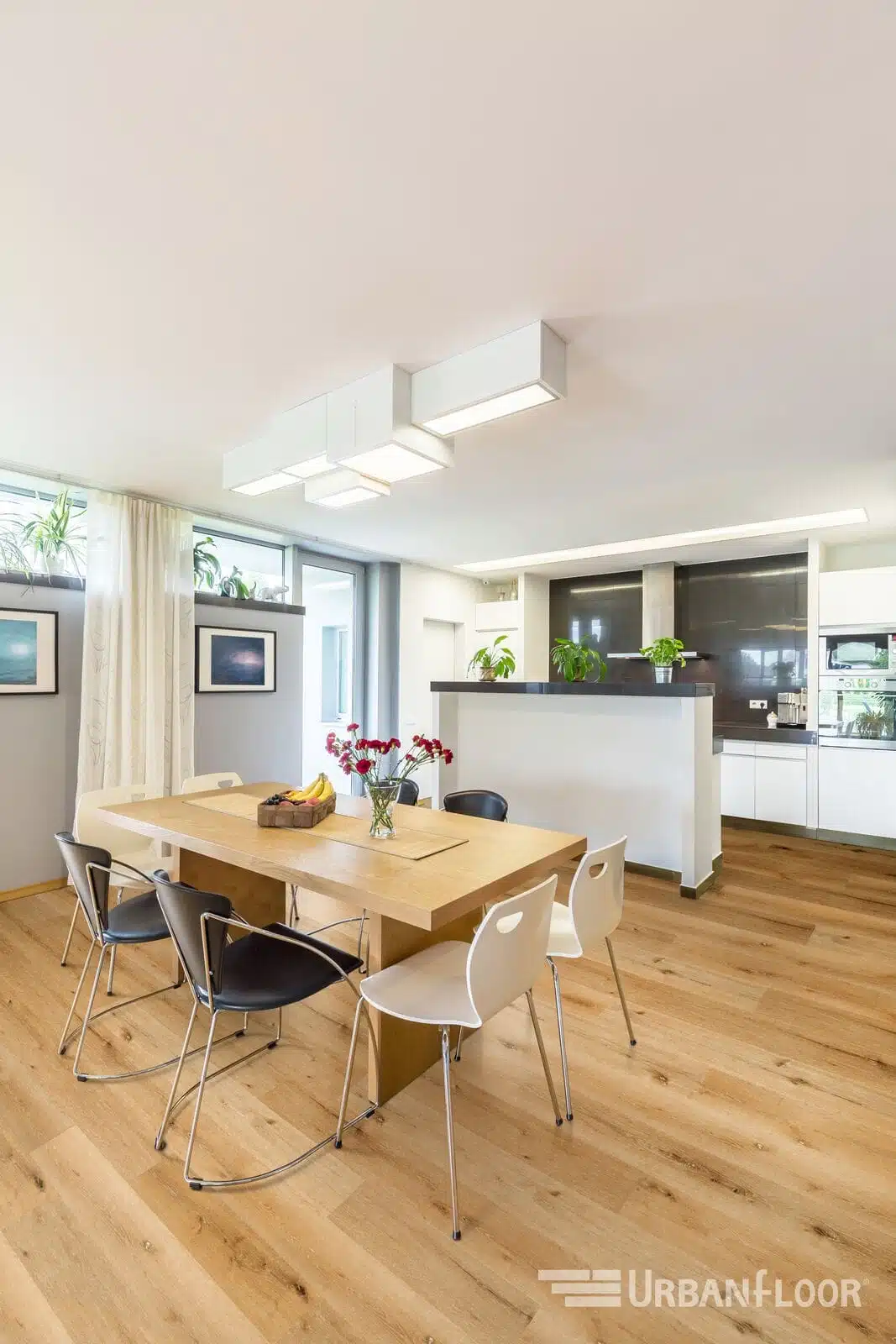
Open Austin layouts often connect kitchens, living rooms, dining spaces, hallways, and entries. Vinyl can create a clean continuous look across those rooms. That can make the home feel larger and easier to maintain than mixing too many flooring types. It can also reduce awkward transitions when the same product is used through the main living area.
The planning details matter. Multi-room installations require decisions about starting point, plank direction, transitions, doorway cuts, expansion zones, cabinets, islands, and how the floor meets stairs or tile. Search results for multi-room vinyl installation show that homeowners often need guidance on this exact issue. A good installer should plan the flow before the first plank goes down.
Rooms where vinyl may not be the best first choice
Vinyl is versatile, but it is not automatically the best floor everywhere. A primary bedroom that needs softness may be better with carpet. A design-focused formal room may call for engineered wood. A shower-heavy bathroom or wet-room project may be better with tile. A room with unusual heat exposure, subfloor movement, or warranty conflicts may need another material or extra prep.
The best 2026 flooring plan is not “vinyl everywhere no matter what.” It is “vinyl where vinyl solves the room’s problems.” That is why it helps to compare vinyl flooring, vinyl flooring installation, LVP installation, tile, laminate, carpet, hardwood, and engineered wood before ordering material.
Room-by-room quote checklist for Austin vinyl flooring
Before asking for a vinyl flooring quote, collect room-specific details. The more clearly the installer can see the project, the easier it is to separate material cost from removal, prep, trim, transitions, furniture, and possible change-order risks.
- Photos of each room from several angles
- Approximate square footage and room names
- Current flooring type and whether it needs removal
- Photos of exterior doors, closets, appliances, stairs, and transitions
- Notes about pets, children, tenants, rolling chairs, water exposure, or heavy traffic
- Product links for any vinyl, LVP, or LVT already being considered
- Questions about wear layer, core type, underlayment, warranty, and installation method
- Timeline, furniture movement, appliance handling, and access concerns
Bottom line: vinyl is ideal in the rooms that work hardest
Vinyl flooring is ideal for many Austin homes in 2026 because it works especially well in the rooms that take the most abuse. Kitchens, entries, hallways, living rooms, rentals, pet-friendly rooms, home offices, bedrooms, laundry-adjacent areas, and slab projects can all benefit from vinyl when the product and installation are right. It gives homeowners a practical combination of style, cleanup, moisture tolerance, budget control, and everyday durability.
If you are choosing flooring room by room, start with the rooms that need the most maintenance help. Then compare comfort, water risk, traffic, pets, slab conditions, transitions, and long-term value. Austin Flooring Company can help you decide where vinyl makes sense, where tile or carpet may be smarter, and what the installation will require before you buy material. Start with the flooring quote page or contact Austin Flooring Company for project guidance.
Best rooms for vinyl flooring FAQs
What rooms are best for vinyl flooring in Austin homes?
Kitchens, entries, hallways, rentals, living rooms, pet-friendly rooms, home offices, bedrooms, and laundry-adjacent spaces are often strong candidates. The best rooms are the ones that need easy cleaning, moisture tolerance, traffic durability, and practical maintenance.
Is vinyl flooring good for kitchens?
Yes, vinyl flooring is often a good kitchen choice because it handles spills, cooking traffic, pet bowls, and frequent cleaning better than many moisture-sensitive floors. Appliance areas, transitions, cabinet edges, and subfloor prep still need to be planned correctly.
Is vinyl flooring good for bathrooms?
Vinyl can work in some bathrooms and powder rooms, but the details matter. Toilets, edges, seams, transitions, and standing water risk should be reviewed. For heavy wet-room use, tile may still be the better long-term choice.
Can vinyl flooring go in bedrooms?
Yes, vinyl can work in bedrooms when easy cleaning, pets, allergies, rental durability, or a continuous wood-look floor matter more than softness. Carpet may still be better when warmth, quiet, and comfort are the main goals.
Is vinyl flooring good for pets?
Vinyl is often a strong pet-friendly option because it is easier to clean and more moisture-tolerant than many alternatives. Product quality, wear layer, finish texture, quick cleanup, and proper installation all affect long-term performance.
Is LVP better than laminate for busy rooms?
LVP is often better for busy rooms that include spills, pets, entries, kitchens, or rentals. Laminate can be a good dry-room option, but LVP usually gives more moisture tolerance and easier maintenance in higher-risk spaces.
Can vinyl flooring be used throughout the whole house?
Vinyl can work throughout many homes, especially when the goal is a consistent wood-look surface and easier cleaning. The best approach is still room-by-room because bathrooms, stairs, bedrooms, and design-focused areas may need different priorities.
Is vinyl flooring good over concrete slabs?
Many vinyl products can work over concrete slabs when the slab is flat, clean, dry enough, and prepared according to the product requirements. Cracks, moisture, old adhesive, and uneven areas should be checked before installation.
Which vinyl flooring is best for high-traffic rooms?
High-traffic rooms usually need a quality LVP or LVT product with a durable wear layer, stable core, suitable finish, and warranty that matches the room use. The exact product should be chosen based on pets, tenants, rolling chairs, water exposure, and expected traffic.
Is vinyl flooring good for rental properties?
Vinyl is often a practical rental flooring choice because it looks current, cleans easily, and can handle daily use better than many fragile surfaces. Property owners should choose durable products, store extra material, and plan for future repairs.
Does vinyl flooring work in home offices?
Yes, vinyl can work well in home offices because it looks clean and is easy to maintain. Rolling chairs can still wear flooring, so homeowners should ask about product rating, chair mats, furniture pads, and wear layer before choosing.
What rooms should avoid vinyl flooring?
Vinyl may not be the best first choice for shower-heavy wet rooms, rooms needing maximum softness, some formal real-wood design goals, or spaces with conditions outside the product warranty. The room conditions should be reviewed before buying material.
What should a vinyl flooring quote include?
A vinyl flooring quote should address product type, wear layer, square footage, old floor removal, subfloor prep, moisture concerns, underlayment, trim, transitions, stairs, furniture, appliance movement, and cleanup. Photos help make the quote more accurate.
Should I buy vinyl before getting an installer’s opinion?
It is usually better to get guidance first. The installer can check whether the product fits the room, slab, moisture conditions, transitions, warranty, and installation method. Buying material first can create problems if the product is wrong for the project.
Why is vinyl flooring ideal for 2026?
Vinyl flooring is ideal for many 2026 Austin projects because it balances realistic style, moisture tolerance, easier maintenance, pet-friendly use, rental practicality, slab compatibility, and budget control. It is strongest when chosen for the rooms that need those benefits most.
LVP vs Laminate: Why Vinyl Flooring Wins for Austin Homes in 2026
If you are comparing LVP vs laminate for an Austin home in 2026, vinyl flooring usually deserves the first serious look. Laminate can still be a good choice in dry, lower-risk rooms, especially when the homeowner wants a crisp wood look at a controlled material cost. But luxury vinyl plank has become the stronger all-around answer for many Austin kitchens, rentals, entries, pet-friendly homes, slab projects, and busy living areas because it handles moisture risk, cleaning, and everyday wear with less stress.
The short version is simple: laminate often competes on appearance and price, while LVP competes on practicality. In 2026, practicality matters. Austin homeowners are thinking about heat, humidity, concrete slabs, pets, kids, rental turnover, fast project schedules, and flooring that can survive real daily use. That is why vinyl flooring keeps winning more LVP vs laminate conversations.
LVP vs laminate: the simple difference homeowners should know
LVP stands for luxury vinyl plank. It is a vinyl-based flooring product made to look like wood planks, stone, or other natural surfaces. Many current LVP products use a rigid core, attached pad, protective wear layer, and printed design layer. Laminate flooring is usually built around a fiberboard core with a printed design layer and a durable top layer. Both can look good, and both can be installed in attractive wood-look styles.
The core difference matters because Austin homes are not showroom displays. Floors deal with moisture from kitchens, pets, cleaning, tracked-in weather, slab conditions, and daily use. Laminate’s fiberboard core can be more vulnerable when moisture gets into seams or edges. LVP is generally more moisture-tolerant, which is one reason it is often the safer recommendation for rooms where water, spills, pets, or renters are part of the picture.
Why vinyl flooring is ideal for Austin moisture risk in 2026
Moisture is one of the biggest reasons vinyl flooring wins against laminate. Austin homes may not feel humid every day, but flooring still has to handle kitchens, bathrooms, laundry-adjacent areas, exterior doors, pool traffic, pet bowls, cleaning water, and occasional leaks. In those rooms, a moisture-tolerant floor gives homeowners more margin for everyday life.
Many LVP products are marketed as waterproof, and that can be helpful, but the full flooring system still matters. Seams, edges, transitions, subfloor moisture, installation quality, and manufacturer limits all affect performance. Even so, LVP is usually a better fit than laminate when water exposure is a realistic concern. Laminate can perform well in dry areas, but once water gets into a susceptible core, swelling and edge damage can become expensive problems.
Why LVP often handles Austin slab homes better
Many Austin properties are built on concrete slabs. That does not automatically make laminate a bad choice, and it does not automatically make LVP easy. The slab still needs to be reviewed for flatness, cracks, moisture, residue, old adhesive, and high or low spots. But when the slab is prepared correctly, LVP often gives installers and homeowners a practical path for busy rooms and remodels.
Floating rigid-core LVP can work well in many slab-on-grade homes when the product is approved for the conditions and the floor is flat enough. Glue-down vinyl may also be useful in certain settings. Laminate can also float over a proper underlayment, but moisture sensitivity raises the stakes. If the project involves a kitchen, entry, rental, pet area, or room near exterior doors, vinyl often gives a more forgiving long-term plan.
LVP usually wins for pets, kids, and active households
Pets and kids expose flooring fast. Water bowls, accidents, muddy paws, toys, chair legs, backpacks, rolling office chairs, and quick cleanups all test a floor in ways a sample board cannot. LVP is popular in 2026 because many products combine a durable wear layer with moisture tolerance and simple cleaning. That makes it a strong candidate for family rooms, kitchens, hallways, bedrooms, and home offices.
Laminate can be scratch-resistant, and some laminate products have excellent surface durability. But surface toughness is only part of the story. A floor that resists scratches but struggles with water may not be ideal for pet bowls, accident-prone rooms, or entry areas. For many active Austin homes, vinyl flooring wins because it solves more everyday problems at the same time.
LVP is a smarter choice for many rentals and turnover projects
Rental flooring has to survive a different kind of use. Tenants move furniture, clean differently, bring pets, drag boxes, and may not report small leaks quickly. Short-term rentals and long-term rentals both need floors that look current but do not become fragile maintenance problems. That is why LVP often beats laminate for Austin rental properties.
For a rental, the quote should compare product quality, wear layer, attic stock, replacement planning, transition pieces, baseboards, and the room list. LVP does not make a property maintenance-free, but it can reduce the risk that one spill or one wet entry creates widespread flooring damage. If a plank can be replaced later and spare material is stored, future repairs may also be easier to manage.
Laminate can still win in the right dry rooms
A fair LVP vs laminate comparison should not pretend laminate has no place. Quality laminate can look sharp, resist surface wear, and make sense in dry bedrooms, upstairs rooms, offices, or low-moisture spaces where the homeowner wants a wood-look floor at a controlled cost. Some laminate products also have strong scratch resistance and a firm feel that certain homeowners like.
The key is room fit. Laminate becomes less ideal when the room has spill risk, pet bowls, exterior-door traffic, tenant turnover, slab moisture concerns, or frequent mopping. In those situations, LVP usually gives a better balance. The best flooring plan may even use different materials in different parts of the home instead of forcing one answer everywhere.
Vinyl flooring styles look more natural in 2026
One reason vinyl flooring is ideal for 2026 is that the design quality has improved. Homeowners can now choose warmer oak looks, wider planks, quieter grain patterns, matte finishes, stone visuals, cleaner bevels, and colors that feel more current than older shiny vinyl products. That matters because the floor has to work visually with cabinets, walls, countertops, trim, furniture, and natural light.
Laminate also offers attractive visuals, and some products look excellent. But LVP has closed the design gap while keeping the practical advantages that make it appealing in Austin homes. For homeowners who want the look of wood without choosing a moisture-sensitive floor, modern vinyl plank is often the more complete choice.
Cost: why the cheapest material is not always the best value
Laminate may have a lower product price in some comparisons, but the cheapest material is not automatically the best value. Homeowners should compare installed cost, subfloor prep, underlayment, trim, transitions, product quality, expected life, room risk, repair expectations, and maintenance. A slightly cheaper floor can become more expensive if it swells, fails at seams, or has to be replaced sooner in a high-risk room.
LVP often makes sense because it balances price with performance. It may cost more upfront than some laminate products, but it can be more forgiving in kitchens, entries, rentals, pet-heavy homes, and slab projects. For many Austin homeowners, that long-term risk reduction is the real value.
Installation details that decide whether LVP performs well
LVP is practical, but it still needs the right installation. A good vinyl flooring project starts with flatness checks, moisture review, old flooring removal, surface cleanup, expansion planning, transition planning, and product instructions. A rigid-core plank installed over an uneven slab can click, move, separate, or feel wrong underfoot. A glue-down product installed over residue or moisture problems can create its own issues.
That is why the quote matters as much as the product. Ask whether the old floor must be removed, whether the slab needs leveling, how doorways and closets will be handled, what happens at stairs, whether baseboards need attention, and how transitions will meet tile, carpet, hardwood, or exterior doors. LVP wins when it is matched to the room and installed correctly.
Best rooms for LVP instead of laminate in Austin homes
LVP is not automatically required in every room, but it is often the safer choice wherever daily use includes water, pets, traffic, cleaning, or tenant risk. These are the rooms where vinyl flooring usually deserves priority in a 2026 flooring plan.
- Kitchens: spills, cooking traffic, pet bowls, and frequent cleaning make moisture tolerance important.
- Entries and hallways: shoes, dust, rain, and high traffic can expose weaker flooring quickly.
- Rentals: LVP can reduce risk when tenants use and clean floors differently.
- Living rooms: vinyl can create a practical wood-look surface for families and pets.
- Home offices: many LVP products handle rolling chairs better when the right chair protection and product class are used.
- Laundry-adjacent areas: moisture risk makes vinyl worth comparing carefully.
- Bedrooms: LVP can be a cleaner alternative to carpet when allergies, pets, or easy maintenance matter.
When laminate may still be the better answer
Laminate may still be the better answer when the room is dry, the budget is tight, the homeowner likes the firmer feel, and the selected product has strong surface durability. A dry upstairs bedroom or office can be a better laminate candidate than a kitchen or rental entry. Some homeowners also prefer laminate’s sound, structure, or specific visual options.
The point is not that laminate is bad. The point is that Austin rooms should be judged by risk. If the room has water exposure, pet mess, slab concerns, or frequent tenant turnover, LVP usually wins. If the room is dry and the product quality is strong, laminate may still be a reasonable choice.
How this LVP comparison fits the bigger 2026 flooring plan
This article is one piece of a bigger flooring decision. If you want the broad case for vinyl, read why vinyl flooring is ideal for Austin homes in 2026. If you are comparing against other materials, review why tile flooring is one of the best 2026 choices and why hardwood may not be ideal for many Austin homes in 2026.
The smartest Austin flooring plan is usually room-by-room. Tile may win bathrooms and laundry rooms. LVP may win kitchens, rentals, entries, and pet-heavy living areas. Engineered wood may win design-focused dry rooms where the homeowner wants real wood character. Carpet may still win bedrooms where softness and sound control matter. LVP is ideal when the room needs a strong mix of style, moisture tolerance, cleanability, and budget control.
Quote checklist for comparing LVP and laminate
Before choosing LVP or laminate, gather the details that help a flooring quote reflect the real project. Photos are especially useful because they show existing flooring, transitions, doorways, appliance areas, trim, closets, stair edges, and possible subfloor concerns.
- Room photos from several angles
- Approximate square footage and room list
- Current flooring type and whether it needs removal
- Photos of transitions to tile, carpet, hardwood, exterior doors, or stairs
- Notes about pets, children, tenants, rolling chairs, water exposure, and cleaning habits
- Product links for any LVP or laminate already under consideration
- Questions about wear layer, plank thickness, underlayment, warranty, and installation method
- Timeline, furniture needs, appliance movement, and access concerns
Bottom line: LVP usually wins the 2026 comparison for Austin homes
When Austin homeowners compare LVP vs laminate in 2026, vinyl flooring usually wins because it solves more everyday problems. It offers realistic style, easier maintenance, better moisture tolerance, pet-friendly performance, rental practicality, and a strong value story when the right product is installed correctly. Laminate can still be a smart dry-room choice, but LVP is the safer all-around pick for many of the rooms that work hardest.
Austin Flooring Company can help compare vinyl flooring, vinyl flooring installation, LVP installation, flooring materials, tile, hardwood, engineered wood, carpet, and laminate by room use, budget, subfloor, and maintenance needs. Start with the flooring quote page or contact Austin Flooring Company before buying material.
LVP vs laminate FAQs for 2026
Is LVP better than laminate for Austin homes?
LVP is often better than laminate for Austin homes when moisture, pets, kitchens, entries, rentals, slab conditions, or frequent cleaning are major concerns. Laminate can still work in dry rooms where water exposure is unlikely and the homeowner wants a specific look or lower material cost.
Why does vinyl flooring usually win in 2026?
Vinyl flooring usually wins in 2026 because it combines realistic design, moisture tolerance, easy maintenance, pet-friendly performance, and flexible installation options. Those strengths match the way many Austin homes use kitchens, entries, rentals, living rooms, and slab-on-grade spaces.
Is laminate flooring waterproof?
Some laminate products offer improved water resistance, but laminate is generally more vulnerable to moisture than LVP because many products use a fiberboard core. If water gets into seams or edges, swelling can become a problem. Always check the exact product warranty and installation requirements.
Is LVP truly waterproof?
Many LVP products are marketed as waterproof, but the entire installation still matters. Seams, edges, transitions, subfloor moisture, walls, and leaks can affect performance. LVP is generally more moisture-tolerant than laminate, but standing water and plumbing problems still need quick attention.
Which is better for pets, LVP or laminate?
LVP is usually the better pet-friendly choice because it handles water bowls, accidents, paw traffic, and cleaning with less moisture risk. Laminate can resist scratches well, but pet-related moisture can be a concern if the floor is not designed and installed for that use.
Which floor is better for rental properties?
LVP is often better for rental properties because it is practical, current-looking, easier to clean, and more forgiving when tenants create spills or heavy traffic. Laminate may still work in dry, lower-risk rental rooms, but LVP is often the safer whole-property choice.
Which is more scratch-resistant, LVP or laminate?
Some laminate products can be very scratch-resistant, and some LVP products have strong wear layers. Product quality matters more than the category name alone. Compare wear layer, finish, warranty, chair use, pet traffic, and manufacturer limits before deciding.
Which is better over a concrete slab?
LVP is often a strong choice over concrete slabs when the slab is flat, clean, and suitable for the product. Laminate can also be installed over slabs with the right underlayment, but moisture sensitivity can make the project riskier. Slab flatness and moisture review are important for both.
Does LVP look cheaper than laminate?
Not necessarily. Modern LVP can look very realistic, especially with matte finishes, wider planks, subtle texture, and warmer wood tones. Low-quality vinyl can still look cheap, but quality LVP is now a design-forward option for many Austin homes.
Is LVP more expensive than laminate?
LVP can cost more than some laminate products, but installed value depends on product quality, room risk, subfloor prep, transitions, trim, and expected lifespan. In rooms with moisture, pets, or renters, LVP may be the better value even if the upfront price is slightly higher.
Can LVP be installed in kitchens?
Yes, many LVP products are good kitchen candidates because they handle spills and cleanup better than many moisture-sensitive floors. The installation should still account for appliances, edges, expansion, transitions, and manufacturer requirements.
Can laminate be used in kitchens?
Laminate can be used in some kitchens if the product is designed for that use and the homeowner understands moisture limits. For many Austin kitchens, LVP is the safer recommendation because spills, cleaning, pet bowls, and appliance leaks are realistic risks.
Which flooring is easier to clean?
LVP is usually easier to clean in busy homes because it tolerates normal damp cleaning better than many laminate products. Both floors need manufacturer-approved cleaning products, quick spill cleanup, and protection from harsh chemicals or dragging furniture.
Should I use LVP throughout the whole house?
LVP can work throughout many homes, but the best plan is room-by-room. It may be ideal for kitchens, living areas, entries, rentals, and pet spaces. Bedrooms, stairs, bathrooms, or design-focused rooms may need a different product depending on comfort, sound, moisture, and style goals.
What should I ask before choosing LVP or laminate?
Ask about product thickness, wear layer, water resistance, slab prep, underlayment, installation method, transitions, baseboards, stairs, warranty limits, cleaning rules, and whether the product matches pets, tenants, kitchens, entries, or rolling chairs. A good quote should explain those details before material is purchased.
Why Vinyl Flooring Is Ideal for Austin Homes in 2026
Vinyl flooring is one of the most practical flooring choices for Austin homes in 2026 because it solves several real problems at once: busy rooms, pets, tracked-in grit, wet kitchens, rental turnover, design expectations, and budget pressure. It is not the perfect floor for every room, and not every vinyl product is built the same way. But when the product, subfloor, underlayment, installation method, and room use line up, vinyl flooring can give Austin homeowners a strong mix of durability, comfort, style, and easier maintenance.
The strongest vinyl options in 2026 are usually luxury vinyl plank, luxury vinyl tile, and rigid-core products. These can create realistic wood, stone, or tile looks without asking the homeowner to manage the same moisture sensitivity as hardwood or the same hardness as tile. For many Austin kitchens, rentals, home offices, playrooms, entries, and pet-heavy living areas, that balance is exactly why vinyl belongs on the shortlist.
1. Vinyl handles everyday Austin mess better than many floors
Austin homes deal with long warm seasons, outdoor traffic, pets, backyard dust, pool towels, kitchen spills, and active family rooms. Vinyl flooring is popular because it is easier to live with in those conditions than many more sensitive surfaces. Most modern LVP and LVT products are designed for quick sweeping, light mopping, and daily wear without requiring the same maintenance routine as hardwood.
That does not mean vinyl can ignore every problem. Standing water, poor seams, bad subfloor prep, wrong cleaning products, and weak installation can still cause issues. But for normal household use, vinyl often gives homeowners more margin for mistakes. A dropped drink, a muddy entry, a pet bowl, or a busy kitchen does not create the same level of stress as it can with a moisture-sensitive floor.
2. Luxury vinyl plank styles look much better in 2026
One reason vinyl flooring is ideal for 2026 is that the design quality has improved. Homeowners are no longer limited to flat, shiny, obviously printed patterns. Current LVP styles include warmer oak tones, wider planks, matte finishes, subtle texture, cleaner bevels, stone visuals, and calmer neutral colors that fit modern Austin remodels. Live search evidence also shows Austin competitors emphasizing LVP styles, warm wood visuals, wide planks, and local flooring trend guides, so this is a real customer-facing topic rather than a generic product claim.
For homeowners who like the look of hardwood but do not want hardwood maintenance, vinyl can be a smart compromise. It will not feel exactly like real wood, and it does not carry the same refinishing story. But in rooms where style, budget, moisture resistance, and quick cleanup all matter, vinyl often gives the best overall fit.
3. Vinyl is a strong option for pets, kids, and rentals
Pet nails, water bowls, toys, backpacks, rolling chairs, tenant move-ins, and everyday traffic can wear down flooring quickly. Vinyl is useful because many products are built with durable wear layers that help resist common surface damage. That is one reason landlords, property managers, and busy households often compare vinyl before choosing hardwood, laminate, carpet, or tile.
The wear layer matters. A thin or low-quality product may not perform the way a stronger rigid-core plank does. The quote should identify product thickness, wear layer, installation method, warranty limits, stair parts, transition pieces, and whether the floor is a good match for pets or tenants. Vinyl is practical, but it still needs the right product class for the room.
4. Vinyl can be more comfortable than tile in living areas
Tile flooring is excellent for many Austin rooms, especially bathrooms, kitchens, laundry spaces, and entries. But tile is hard underfoot. Some homeowners want a floor that still handles traffic and spills while feeling a little softer and warmer in family rooms, bedrooms, home offices, and upstairs spaces. Vinyl can fit that middle ground.
Comfort depends on product construction and underlayment. A rigid-core plank over a flat subfloor will feel different from a thin glue-down product or a poorly prepared floating floor. The best 2026 vinyl plan considers sound, feel, height, transitions, and room use before choosing the product. That is especially important when vinyl will connect to tile, carpet, hardwood, or exterior doors.
5. Vinyl is often easier to budget than hardwood
Hardwood is beautiful, but it can become expensive once product cost, subfloor prep, moisture review, trim, transitions, refinishing expectations, and long-term care are included. That is why the 2026 flooring conversation should compare vinyl against hardwood honestly. For some rooms, hardwood is still worth it. For others, vinyl gives a cleaner budget path without sacrificing the overall design goal.
If you read the companion article on why hardwood is not ideal for many Austin homes in 2026, the main point is not that hardwood is bad. It is that the floor should match the room. Vinyl is ideal when the room needs easier maintenance, moisture tolerance, pet-friendly durability, faster scheduling, or a lower installed cost than many premium wood options.
6. Vinyl can work well over many Austin slab conditions when prep is right
Many Austin properties are built on concrete slabs. Vinyl can be a good fit for slab projects, but the slab still has to be checked. Floor flatness, cracks, moisture, old adhesive, high spots, low spots, and residue can all affect installation. A floating rigid-core plank may need different preparation than a glue-down vinyl tile or plank.
This is where a good quote matters. A low square-foot price can miss the real work if the old floor hides uneven areas or adhesive. Before choosing vinyl, the installer should explain removal, leveling, underlayment, transitions, baseboards, moisture concerns, and any product-specific limits. Vinyl can be forgiving in daily life, but it should not be installed over a poorly prepared surface.
7. Vinyl is useful for fast flooring updates without losing style
Some Austin projects need a practical timeline. Rental turns, short remodel windows, home sale preparation, damaged room replacement, and business updates cannot always wait for a long material or finishing schedule. Vinyl can often move faster than projects that require sanding, finishing, or complicated wet-area tile work.
Speed should still be controlled. Rushing over moisture, skipping floor prep, or using the wrong transition parts can create problems later. The advantage of vinyl is that a well-planned project can often deliver a clean, modern result with less disruption than some alternatives. That makes it a strong 2026 choice for homeowners who need the room back quickly.
Where vinyl flooring makes the most sense in 2026
Vinyl is strongest when the room needs durability, easy cleanup, and design flexibility. It can be especially helpful in rooms where hardwood feels risky, tile feels too hard, carpet is not practical, or laminate may face moisture concerns. The best fit depends on the exact product, but these rooms are often worth considering first.
- Kitchens: useful for spills, cooking traffic, pet bowls, and everyday cleaning.
- Living rooms: practical when the family wants a wood look with easier maintenance.
- Rentals: a strong choice when durability, replacement planning, and budget control matter.
- Home offices: helpful for rolling chairs, mixed traffic, and clean wood-look design.
- Bedrooms: a good option when homeowners want cleaner maintenance than carpet.
- Entries and hallways: useful for traffic, shoes, dust, and quick cleanup.
- Laundry-adjacent areas: worth considering when the product and installation are chosen for moisture risk.
When vinyl may not be the best answer
Vinyl is not automatically ideal everywhere. Homeowners who want a natural material, long-term refinishing potential, or premium real-wood feel may prefer engineered wood or hardwood. Rooms that need a hard, heat-tolerant, highly water-resistant surface may be better served by stone or tile flooring. Bedrooms and stairs may still call for carpet when softness and sound control are the main goals.
Vinyl can also be the wrong choice if the selected product is too thin, the subfloor is not flat enough, the installer ignores expansion space, or the room has conditions outside the product warranty. The smartest approach is not to choose vinyl because it sounds easy. It is to choose vinyl because the exact product fits the exact room.
Vinyl flooring quote checklist for Austin homeowners
Before requesting a vinyl flooring quote, gather the details that help separate a simple installation from a project that needs extra prep. Photos and product information are especially useful because they help the installer understand transitions, old flooring, subfloor conditions, and project timing before giving guidance.
- Room photos from multiple angles
- Close-ups of current flooring, damaged spots, cracks, old adhesive, or moisture marks
- Approximate square footage and room list
- Whether the property is a home, rental, office, or commercial space
- Notes about pets, kids, tenants, rolling chairs, water exposure, and cleaning needs
- Preferred vinyl product link, wear layer, plank size, color, and installation instructions if available
- Photos of doorways, stairs, exterior doors, baseboards, closets, and transitions to other floors
- Timeline, furniture needs, appliance movement, and whether old flooring must be removed
Bottom line: vinyl is ideal when Austin rooms need style and practicality
Vinyl flooring is ideal for many Austin homes in 2026 because it gives homeowners a practical answer to everyday use. It can look modern, handle busy rooms, simplify cleanup, support pet-friendly living, and keep projects more budget-conscious than some hardwood or tile paths. It is especially strong when the homeowner wants a wood-look or stone-look surface without choosing the highest-maintenance material for the room.
The best vinyl decision still comes down to product quality and installation planning. Compare wear layer, core type, subfloor prep, moisture conditions, transitions, trim, underlayment, room use, and warranty limits. When those details are handled correctly, vinyl can be one of the smartest flooring choices for Austin homes heading through 2026 and beyond.
Plan a vinyl flooring project in Austin
Austin Flooring Company can help compare vinyl flooring, vinyl flooring installation, LVP installation, laminate, tile, hardwood, engineered wood, and carpet by room use, budget, subfloor, and maintenance needs. Start with the flooring materials guide, request help through the flooring quote page, or contact Austin Flooring Company before buying material.
Vinyl flooring FAQs for 2026
Is vinyl flooring a good choice for Austin homes in 2026?
Yes, vinyl flooring can be a very good choice for Austin homes in 2026 when the room needs easy cleanup, pet-friendly durability, moisture tolerance, realistic style, and budget control. It is especially useful in kitchens, rentals, living areas, entries, bedrooms, and home offices. The product still needs to match the room conditions, subfloor, and warranty requirements.
Is luxury vinyl plank better than laminate?
LVP is often better than laminate when moisture risk, pets, kitchens, entries, or rental turnover are major concerns. Laminate can still be a strong choice in dry rooms where scratch resistance, budget, and wood-look appearance matter. The right answer depends on the product quality, underlayment, floor flatness, and how the room will be used.
Is vinyl flooring waterproof?
Many vinyl products are marketed as waterproof, but the whole flooring system still matters. Seams, edges, walls, subfloor moisture, transitions, and installation details can affect performance. Vinyl is generally more moisture-tolerant than hardwood or many laminate floors, but standing water, leaks, and poor installation should still be handled quickly.
Can vinyl flooring be installed over concrete slabs?
Many vinyl products can work over concrete slabs, but the slab must be reviewed for flatness, cracks, old adhesive, moisture, and surface condition. Floating and glue-down products have different requirements. A good quote should explain slab prep, leveling, underlayment, adhesive, vapor concerns, and transition planning before installation begins.
Is vinyl flooring good for pets?
Vinyl is often a strong pet-friendly flooring option because many products resist everyday scratches, spills, and easy cleanup better than more sensitive materials. Product quality matters. A stronger wear layer, appropriate core, proper installation, and quick cleanup around bowls or accidents will help the floor perform better over time.
What wear layer should I choose for LVP?
The right wear layer depends on traffic, pets, rental use, budget, and warranty expectations. Higher-traffic rooms, rentals, and pet-heavy homes usually need a more durable wear layer than a lightly used bedroom. Ask the installer to compare wear layer, plank thickness, core type, finish texture, and warranty limits before choosing only by color.
Does vinyl flooring lower home value?
Quality vinyl does not automatically lower home value. In the right rooms, it can make a home more practical and updated. Hardwood may still carry a premium feel in certain spaces, but vinyl can be a smarter choice for kitchens, rentals, pet areas, and rooms where moisture or maintenance would make hardwood risky.
How long does vinyl flooring installation take?
Timing depends on square footage, old flooring removal, subfloor prep, furniture, stairs, transitions, and product type. Some vinyl projects are faster than hardwood or tile, but hidden adhesive, leveling, moisture concerns, or complicated trim can add time. Photos and product details help make the schedule more accurate before installation day.
Is glue-down or floating vinyl better?
Neither method is automatically better. Glue-down vinyl can be useful in certain commercial or high-traffic settings when the slab is ready. Floating rigid-core vinyl can work well in many homes and remodels when the subfloor is flat enough and transitions are planned. The best method depends on the product, room, slab, sound goals, and repair expectations.
Can vinyl flooring go in bathrooms?
Vinyl can be used in some bathrooms, but the installation details matter. Edges, seams, toilet areas, transitions, and water exposure should be planned carefully. For heavy wet-room use, tile may still be the stronger long-term choice. For a powder room or light-use bath, the right vinyl product can be practical.
What is the best vinyl color for 2026?
Warm oak, natural brown, soft neutral, matte stone, and realistic wood-look colors are strong 2026 directions because they feel modern without looking overly trendy. Austin homes often benefit from colors that work with heat, light, dust, pets, cabinets, and existing trim. Choose a sample in the actual room before committing.
Can vinyl flooring be repaired?
Some vinyl floors can be repaired by replacing individual planks or tiles, but repair ease depends on product type, installation method, locking system, adhesive, and whether spare material is available. Ordering attic stock during the original project can make future repairs much easier, especially if the color or collection is discontinued.
What can damage vinyl flooring?
Dragging heavy furniture, using harsh cleaners, ignoring standing water, installing over an uneven subfloor, skipping expansion requirements, and using the wrong product for the room can all damage vinyl flooring. Chair pads, furniture protectors, correct cleaning products, and good prep help protect the finished floor.
Should I buy vinyl flooring before getting a quote?
It is usually better to get guidance before buying material. The installer can review product quality, quantity, installation method, room suitability, underlayment, transitions, stair parts, and warranty requirements. Buying first can create problems if the material is not suitable for the slab, room size, moisture conditions, or transition details.
What information helps Austin Flooring Company quote vinyl flooring?
Helpful quote details include room photos, approximate square footage, current flooring, product links, visible damage, moisture concerns, pets, tenants, furniture needs, timeline, and photos of transitions. These details help Austin Flooring Company separate product cost, removal, prep, installation, trim, cleanup, and possible change-order risks before work starts.