
Best Rooms for Vinyl Flooring in Austin Homes in 2026
Vinyl flooring is ideal for many Austin homes in 2026 because it solves practical room-by-room problems instead of only looking good in a showroom. A floor that works in a kitchen may not be the best answer for a bedroom. A floor that works in a rental may need different priorities than a floor for a quiet primary suite. That is where luxury vinyl plank, luxury vinyl tile, and rigid-core vinyl products can be useful: they give homeowners a flexible way to match flooring to real daily use.
This guide focuses on where vinyl flooring makes the most sense in an Austin home. The broad case for vinyl is covered in why vinyl flooring is ideal for Austin homes in 2026, and the product comparison is covered in LVP vs laminate for 2026. This article takes the next step: which rooms should get vinyl first, which rooms need extra caution, and what homeowners should ask before approving a quote.
Why room choice matters for vinyl flooring in 2026
A good flooring plan starts with room use. Austin homes often include concrete slabs, exterior-door traffic, warm weather, pets, backyard dust, pool towels, kids, tenants, home offices, and mixed flooring transitions. Vinyl can be a smart answer because it handles many of those conditions better than more sensitive materials. But the best result still depends on the room, product quality, subfloor, installation method, and expectations.
Search patterns for room-by-room vinyl flooring show people comparing where LVP and LVT perform best, how to install vinyl across multiple rooms, and how to choose vinyl for high-traffic spaces. That matches what homeowners usually need before they buy: not a generic claim that vinyl is good, but a practical plan for kitchens, entries, rentals, bedrooms, living rooms, laundry-adjacent areas, and offices.
Kitchens: one of the strongest rooms for vinyl flooring
Kitchens are one of the best rooms for vinyl flooring in Austin homes. They see cooking traffic, dropped food, pet bowls, chair movement, appliance zones, spills, and frequent cleaning. Hardwood can be beautiful in a kitchen, but moisture risk and maintenance often make homeowners nervous. Laminate can look good, but water getting into seams can be a concern. Tile is durable, but it is harder underfoot and can feel less forgiving during long cooking sessions.
Vinyl flooring fits kitchens because it gives homeowners a practical balance: wood-look or stone-look design, easier cleanup, and more moisture tolerance than many alternatives. The quote should still account for appliances, cabinet toe-kicks, transitions, old flooring removal, slab flatness, expansion space, and how the floor will meet nearby rooms. A kitchen vinyl project is not just a product choice. It is a layout and preparation choice.
Entries and hallways: vinyl works well where traffic starts
Entries and hallways are high-impact areas because they collect shoes, dust, rain, pet traffic, backpacks, strollers, and everyday wear. In Austin, exterior traffic can bring in grit from driveways, patios, yards, job sites, garages, and pool areas. A floor in these areas needs to clean easily and stand up to repeated traffic without making every small mess feel like a problem.
LVP can be a strong fit in entries and hallways when the product has the right wear layer and the installation handles transitions correctly. The important details include door clearances, exterior thresholds, expansion gaps, trim, and the direction of plank runs through narrow spaces. Vinyl can make these rooms easier to maintain, but the project should be planned so the entry does not create awkward cuts or weak transitions.
Living rooms: vinyl gives a wood look with easier maintenance
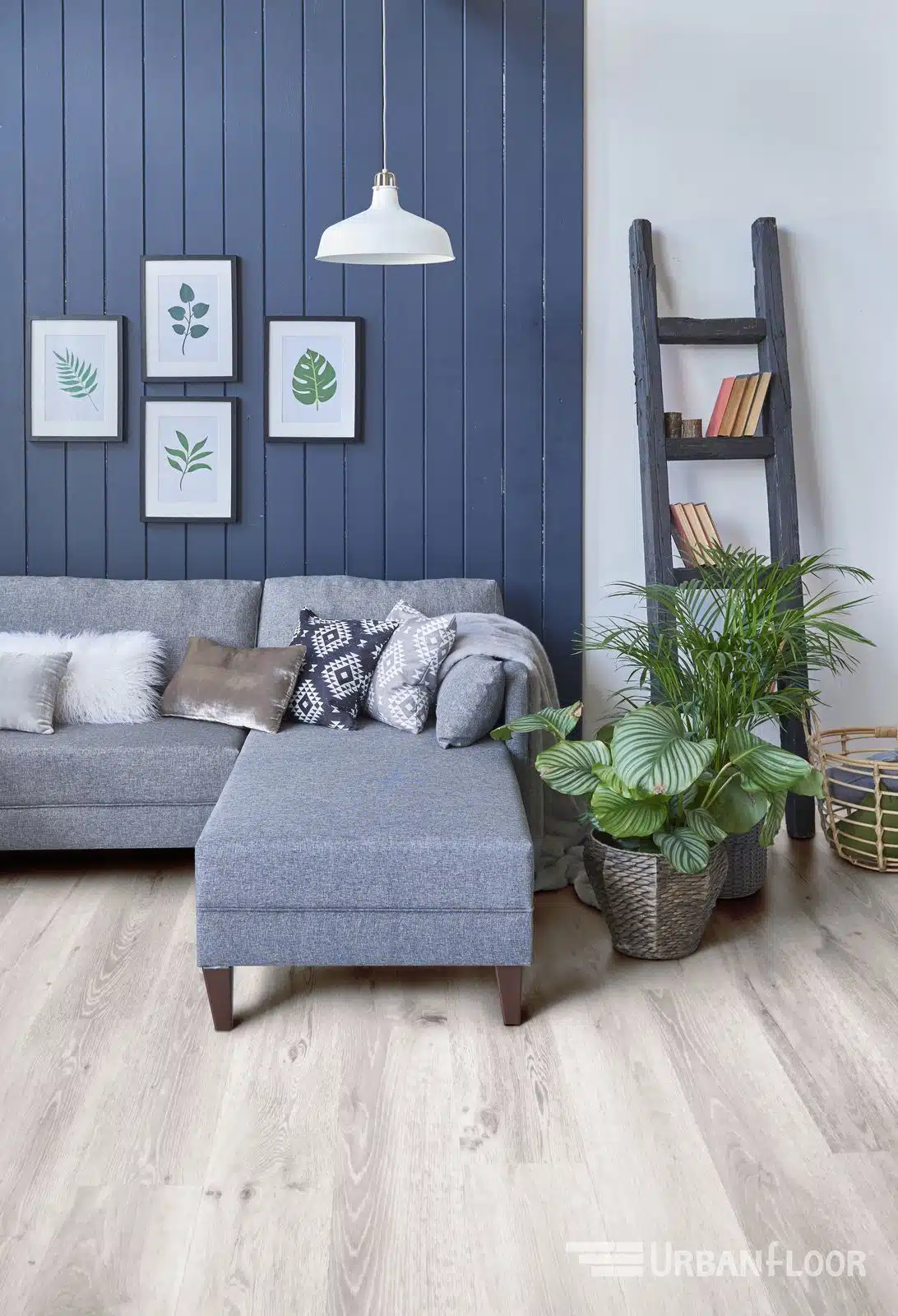
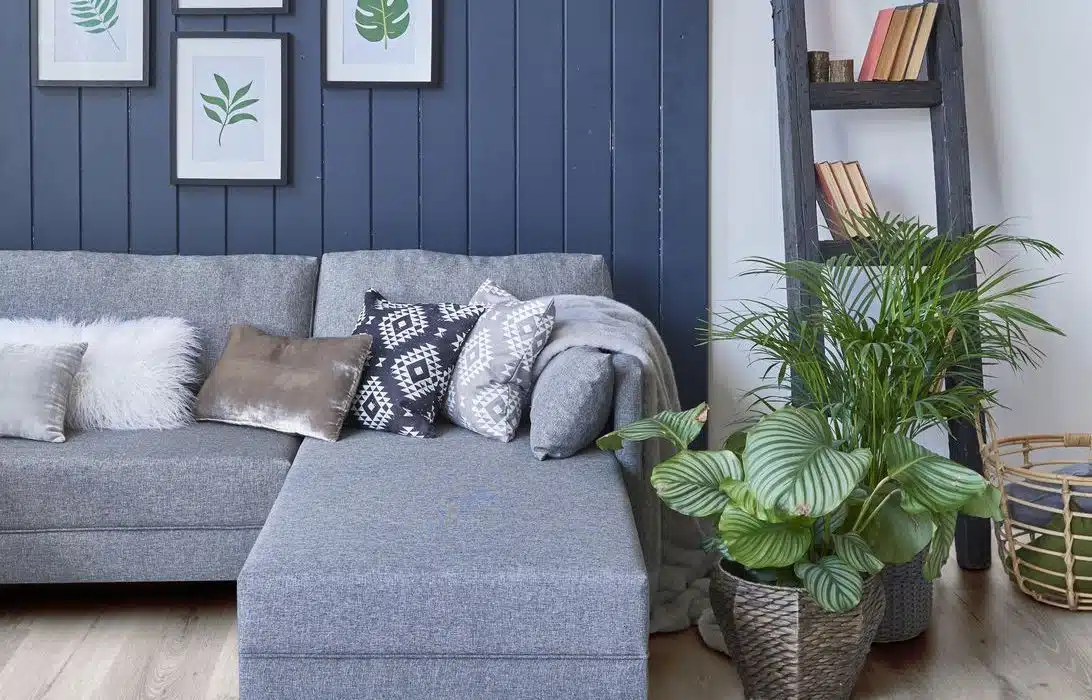
Living rooms are where Austin homeowners often want warmth and style. Many people like the look of hardwood in a living room, but they also want something that can handle pets, furniture, kids, snacks, guests, and daily cleaning. Modern vinyl plank can be useful here because it delivers a calmer wood-look design without asking for the same care routine as real wood.
The best living room vinyl choices in 2026 usually have matte finishes, natural oak or warm neutral tones, realistic texture, and plank widths that fit the room size. A small room may need a different plank visual than an open living area. Homeowners should compare samples in the actual room because Austin light, wall color, furniture, and trim can change how the floor looks throughout the day.
Rentals: vinyl is often the practical turnover choice
Rental properties are one of the clearest places where vinyl flooring can be ideal. Long-term rentals, short-term rentals, garage apartments, duplexes, and investment properties need floors that look current without becoming delicate maintenance problems. Tenants move furniture, clean differently, bring pets, spill drinks, and may not report small leaks quickly. That makes moisture tolerance and replacement planning important.
For rentals, the product should be chosen with wear layer, warranty, attic stock, plank availability, and future repair needs in mind. A lower upfront price is not always the best value if the floor fails early or cannot be matched later. Vinyl can help property owners keep rooms attractive and easier to maintain, especially when spare material is stored for future plank replacement.
Pet-friendly rooms: vinyl handles daily cleanup better
Pets change the flooring decision. Water bowls, food bowls, paws, nails, accidents, hair, outdoor dust, and quick cleanup all matter. Carpet can trap messes. Hardwood can be sensitive to moisture and scratches. Some laminate products resist surface wear well but may be more vulnerable when water reaches the core. Vinyl flooring often gives pet owners a stronger everyday answer because it is easier to wipe, sweep, and maintain.
Product quality still matters. A pet-friendly vinyl plan should look at wear layer, finish texture, slip feel, plank construction, warranty terms, and whether the room has direct exterior access. Furniture pads, quick cleanup, and correct cleaning products still matter too. Vinyl is not indestructible, but it gives busy pet households more breathing room than many more sensitive materials.
Home offices: vinyl can handle chairs and mixed use
Home offices became more important for many Austin homeowners, and the flooring has to handle more than a desk. Rolling chairs, computer equipment, bookshelves, daily foot traffic, and video-call backgrounds all influence the choice. Vinyl plank can work well in offices because it looks clean, does not trap dust like carpet, and can handle mixed residential use when the product is chosen correctly.
The main caution is chair movement. Rolling chairs can wear many floors over time, including vinyl. Homeowners should ask about product rating, wear layer, chair mats, furniture protection, and whether the room needs a denser or higher-performance product. When that is handled, vinyl can be a practical and polished home office floor.
Bedrooms: vinyl works when easy cleaning matters more than softness
Bedrooms are not always the first rooms people associate with vinyl flooring, but they can be good candidates in 2026. Vinyl may make sense when homeowners want easier cleaning than carpet, better pet cleanup, fewer dust concerns, or a consistent floor that carries from a hallway into a bedroom. It can also help rental bedrooms stay cleaner between occupants.
The tradeoff is comfort. Carpet is softer and quieter. If softness, warmth, and sound control are the top priorities, carpet may still win. If easy maintenance, pet use, allergies, rental durability, or a continuous wood-look surface matter more, vinyl becomes a strong option. Area rugs can also add softness while keeping the main floor easier to maintain.
Laundry-adjacent spaces and powder rooms need careful planning
Laundry-adjacent areas, mudroom spaces, powder rooms, and small baths can be good vinyl candidates, but they require careful planning. These rooms may have more water risk, tight cuts, toilets, appliances, thresholds, and wall edges. Vinyl can handle normal moisture better than many alternatives, but leaks, standing water, and poor edge details can still create problems.
For heavy wet rooms, tile may still be the stronger long-term choice. For powder rooms, laundry-adjacent halls, light-use bathrooms, or utility spaces, the right vinyl product can be practical. The quote should explain product approval, seam and edge considerations, toilet and appliance handling, transitions, and what happens if water gets under the floor.
Concrete slab rooms: vinyl can be smart when the slab is ready
Many Austin homes sit on concrete slabs, and slab conditions can make or break a flooring job. Vinyl can be a good fit over concrete, but the slab still needs to be checked for flatness, cracks, moisture, old adhesive, residue, high spots, and low spots. A floating rigid-core vinyl plank may need different prep than glue-down vinyl.
This is where a professional quote is useful. If the slab is uneven, a low material price will not solve the problem. The installer should identify whether leveling, grinding, moisture review, adhesive removal, or underlayment decisions are needed. Vinyl can be ideal for slab rooms, but not when it is rushed over a surface that is not ready.
Open layouts: vinyl can connect rooms, but layout planning matters
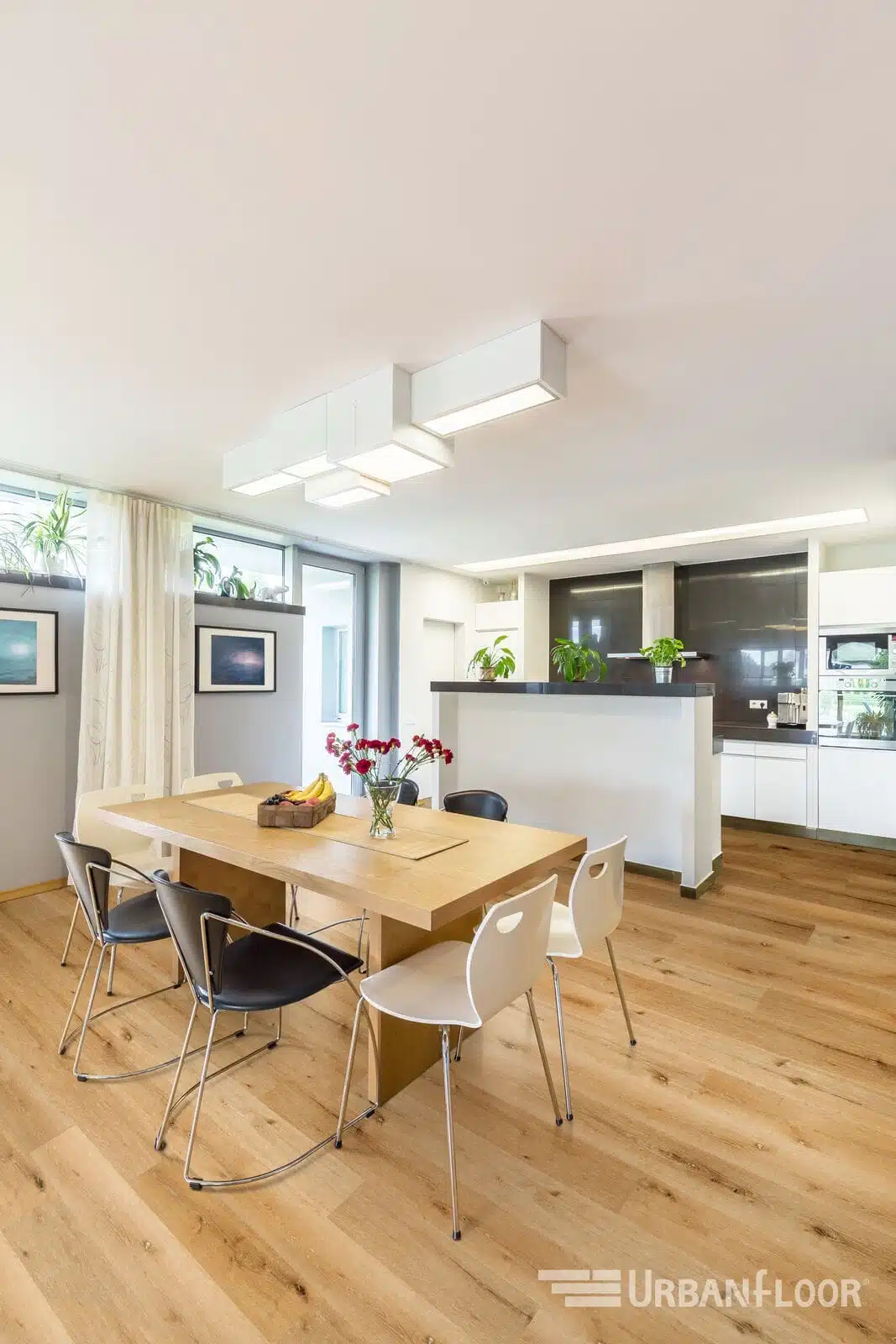
Open Austin layouts often connect kitchens, living rooms, dining spaces, hallways, and entries. Vinyl can create a clean continuous look across those rooms. That can make the home feel larger and easier to maintain than mixing too many flooring types. It can also reduce awkward transitions when the same product is used through the main living area.
The planning details matter. Multi-room installations require decisions about starting point, plank direction, transitions, doorway cuts, expansion zones, cabinets, islands, and how the floor meets stairs or tile. Search results for multi-room vinyl installation show that homeowners often need guidance on this exact issue. A good installer should plan the flow before the first plank goes down.
Rooms where vinyl may not be the best first choice
Vinyl is versatile, but it is not automatically the best floor everywhere. A primary bedroom that needs softness may be better with carpet. A design-focused formal room may call for engineered wood. A shower-heavy bathroom or wet-room project may be better with tile. A room with unusual heat exposure, subfloor movement, or warranty conflicts may need another material or extra prep.
The best 2026 flooring plan is not “vinyl everywhere no matter what.” It is “vinyl where vinyl solves the room’s problems.” That is why it helps to compare vinyl flooring, vinyl flooring installation, LVP installation, tile, laminate, carpet, hardwood, and engineered wood before ordering material.
Room-by-room quote checklist for Austin vinyl flooring
Before asking for a vinyl flooring quote, collect room-specific details. The more clearly the installer can see the project, the easier it is to separate material cost from removal, prep, trim, transitions, furniture, and possible change-order risks.
- Photos of each room from several angles
- Approximate square footage and room names
- Current flooring type and whether it needs removal
- Photos of exterior doors, closets, appliances, stairs, and transitions
- Notes about pets, children, tenants, rolling chairs, water exposure, or heavy traffic
- Product links for any vinyl, LVP, or LVT already being considered
- Questions about wear layer, core type, underlayment, warranty, and installation method
- Timeline, furniture movement, appliance handling, and access concerns
Bottom line: vinyl is ideal in the rooms that work hardest
Vinyl flooring is ideal for many Austin homes in 2026 because it works especially well in the rooms that take the most abuse. Kitchens, entries, hallways, living rooms, rentals, pet-friendly rooms, home offices, bedrooms, laundry-adjacent areas, and slab projects can all benefit from vinyl when the product and installation are right. It gives homeowners a practical combination of style, cleanup, moisture tolerance, budget control, and everyday durability.
If you are choosing flooring room by room, start with the rooms that need the most maintenance help. Then compare comfort, water risk, traffic, pets, slab conditions, transitions, and long-term value. Austin Flooring Company can help you decide where vinyl makes sense, where tile or carpet may be smarter, and what the installation will require before you buy material. Start with the flooring quote page or contact Austin Flooring Company for project guidance.
Best rooms for vinyl flooring FAQs
What rooms are best for vinyl flooring in Austin homes?
Kitchens, entries, hallways, rentals, living rooms, pet-friendly rooms, home offices, bedrooms, and laundry-adjacent spaces are often strong candidates. The best rooms are the ones that need easy cleaning, moisture tolerance, traffic durability, and practical maintenance.
Is vinyl flooring good for kitchens?
Yes, vinyl flooring is often a good kitchen choice because it handles spills, cooking traffic, pet bowls, and frequent cleaning better than many moisture-sensitive floors. Appliance areas, transitions, cabinet edges, and subfloor prep still need to be planned correctly.
Is vinyl flooring good for bathrooms?
Vinyl can work in some bathrooms and powder rooms, but the details matter. Toilets, edges, seams, transitions, and standing water risk should be reviewed. For heavy wet-room use, tile may still be the better long-term choice.
Can vinyl flooring go in bedrooms?
Yes, vinyl can work in bedrooms when easy cleaning, pets, allergies, rental durability, or a continuous wood-look floor matter more than softness. Carpet may still be better when warmth, quiet, and comfort are the main goals.
Is vinyl flooring good for pets?
Vinyl is often a strong pet-friendly option because it is easier to clean and more moisture-tolerant than many alternatives. Product quality, wear layer, finish texture, quick cleanup, and proper installation all affect long-term performance.
Is LVP better than laminate for busy rooms?
LVP is often better for busy rooms that include spills, pets, entries, kitchens, or rentals. Laminate can be a good dry-room option, but LVP usually gives more moisture tolerance and easier maintenance in higher-risk spaces.
Can vinyl flooring be used throughout the whole house?
Vinyl can work throughout many homes, especially when the goal is a consistent wood-look surface and easier cleaning. The best approach is still room-by-room because bathrooms, stairs, bedrooms, and design-focused areas may need different priorities.
Is vinyl flooring good over concrete slabs?
Many vinyl products can work over concrete slabs when the slab is flat, clean, dry enough, and prepared according to the product requirements. Cracks, moisture, old adhesive, and uneven areas should be checked before installation.
Which vinyl flooring is best for high-traffic rooms?
High-traffic rooms usually need a quality LVP or LVT product with a durable wear layer, stable core, suitable finish, and warranty that matches the room use. The exact product should be chosen based on pets, tenants, rolling chairs, water exposure, and expected traffic.
Is vinyl flooring good for rental properties?
Vinyl is often a practical rental flooring choice because it looks current, cleans easily, and can handle daily use better than many fragile surfaces. Property owners should choose durable products, store extra material, and plan for future repairs.
Does vinyl flooring work in home offices?
Yes, vinyl can work well in home offices because it looks clean and is easy to maintain. Rolling chairs can still wear flooring, so homeowners should ask about product rating, chair mats, furniture pads, and wear layer before choosing.
What rooms should avoid vinyl flooring?
Vinyl may not be the best first choice for shower-heavy wet rooms, rooms needing maximum softness, some formal real-wood design goals, or spaces with conditions outside the product warranty. The room conditions should be reviewed before buying material.
What should a vinyl flooring quote include?
A vinyl flooring quote should address product type, wear layer, square footage, old floor removal, subfloor prep, moisture concerns, underlayment, trim, transitions, stairs, furniture, appliance movement, and cleanup. Photos help make the quote more accurate.
Should I buy vinyl before getting an installer’s opinion?
It is usually better to get guidance first. The installer can check whether the product fits the room, slab, moisture conditions, transitions, warranty, and installation method. Buying material first can create problems if the product is wrong for the project.
Why is vinyl flooring ideal for 2026?
Vinyl flooring is ideal for many 2026 Austin projects because it balances realistic style, moisture tolerance, easier maintenance, pet-friendly use, rental practicality, slab compatibility, and budget control. It is strongest when chosen for the rooms that need those benefits most.